Compliance & Policy
55% of Ireland's Licensed Wastewater Plants Fail EPA Discharge Standards
EPA's 2025 report finds 55% of Ireland's licensed wastewater plants failed discharge standards, with poor maintenance behind half the failures and 60% of priority projects not yet started.
Waypoints
55% of Ireland's licensed wastewater treatment plants failed to consistently meet EPA discharge standards in 2025.
Around 60% of required improvement projects across 72 EPA priority areas have yet to start.
11 towns and villages still discharged raw sewage daily in mid-2026, down from 29 in early 2023.
13 towns and cities fail mandatory EU wastewater standards, some dating back over 30 years.
Work is underway at just 1 of 5 shellfish-water priority areas; CJEU 2019 judgment compliance is complete at 4 of 6 urban areas.
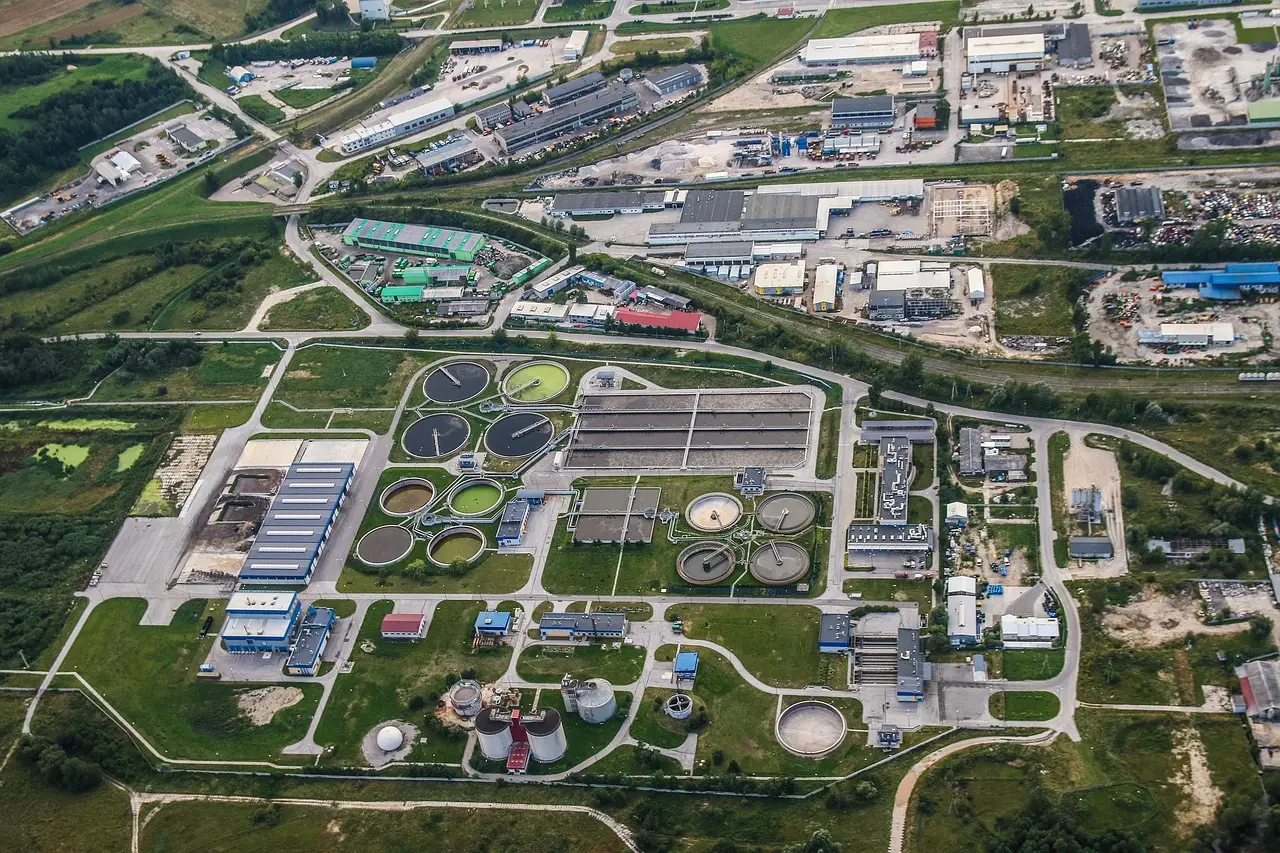
More than half of Ireland's licensed wastewater treatment plants — 55% — failed to consistently meet EPA discharge standards in 2025, and the regulator attributes roughly half of those failures to poor operation and maintenance rather than missing infrastructure.
The finding comes from the Environmental Protection Agency's Urban Wastewater Treatment in 2025 report, published 4 November 2026. The agency has called on Uisce Éireann, the national water utility, to improve management of existing plants and accelerate upgrades, warning that continued failures harm water quality across the country.
The arithmetic of blame matters here. Around half of the failures stem from deficient infrastructure, which requires capital investment and time. The remainder trace back to inadequate maintenance and operational practice — failures the EPA says result in wastewater entering rivers, estuaries, lakes and coastal waters without proper treatment, with attendant risks to human health.
What did the EPA say?
Pat Byrne, Director of the EPA's Office of Radiation Protection and Environmental Monitoring, drew a sharp line between investment that works and management that does not.
"Investment in new treatment plants is helping to protect the environment and delivering benefits for local communities, such as in Ramelton, Rathmullan and Milford in Co. Donegal," Byrne said. "However, EPA inspections continue to identify poor operational practices and inadequate maintenance of wastewater infrastructure, resulting in wastewater being discharged without proper treatment and adversely impacting water quality."
His verdict on the operational failures was blunt: "Many of these failures could and should have been prevented, and Uisce Éireann must take immediate and effective action to address these failings."
Where are the 72 priority areas?
The EPA has identified 72 priority areas where improvements are most urgently needed. The breakdown:
- 13 towns and cities where treatment fails mandatory EU standards, some of which were introduced more than 30 years ago
- 11 towns and villages still discharging raw sewage every day as of mid-2026, down from 29 at the beginning of 2023
- 35 areas where discharges are adversely affecting rivers, estuaries, lakes and coastal waters — with improvements yet to start at 26 of them
- 9 towns and villages requiring treatment improvements to protect critically endangered freshwater pearl mussel habitats
- 5 locations needing upgrades to protect designated shellfish waters, with work underway at just one
- 6 large urban areas requiring sewer network upgrades to reduce untreated overflows and address a 2019 Court of Justice of the European Union judgment
Four additional towns and villages have stopped discharging raw sewage following connection to new treatment plants. Of the six areas tied to the CJEU ruling, improvements are complete at four, with significant work remaining at two.
Why is progress slow?
Noel Byrne, EPA Programme Manager, credited delivery on major projects — including the upgrade of the Ringsend wastewater treatment plant, the country's largest — but said the pace elsewhere falls short.
"It is encouraging to see critical infrastructure projects such as the upgrade of Ringsend treatment plant being delivered. However, progress by Uisce Éireann in delivering works at many EPA priority areas remains too slow," he said.
The number behind that judgment: around 60% of the required improvement projects across the priority areas have yet to start, prolonging environmental impacts the EPA says are already measurable in receiving waters.
What happens next?
The EPA draws a two-track distinction on timelines. Operational and maintenance shortcomings must be addressed without delay, the agency said, because they require management action rather than construction. Infrastructure deficiencies will take longer to resolve given the scale of work and investment required.
The report and its accompanying priority areas list set out the environmental problem at each location together with Uisce Éireann's stated plans to address it. Those plans now function as trackable commitments. The milestone to watch is the shrinking raw sewage count — 11 today against 29 in early 2023 — and whether Uisce Éireann starts the stalled projects at the 26 water-quality priority areas before the next annual report tests its programme against the EPA's ledger.
via Google News: Environmental compliance and EPA (Source)
More from Rebecca Stone
Show full bio
News editor covering companies, deals and strategy in Circular economy and the environmental industry at Circular Wire.
456 articles