Plastics & Chemical Recycling
Aduro Logs 120-Hour Pilot on Post-Consumer Plastic at 85% Yield
Aduro ran its longest pilot yet — 120 hours including PO95 post-consumer plastic — at about 85% yield, feeding design work for its first industrial plant at Chemelot, targeted for 2028.
Waypoints
Aduro processed ~200 kg of feedstock over a 120-hour October pilot, its longest campaign to date.
Condensable hydrocarbon yield was ~85%, down from 88.8–90.8% in the September run on clean blends.
PO95 post-consumer grade ran nearly 20 hours at about 10 kg/hour; no PO95-specific yield was reported.
Pilot data support Saipem's FOAK Early Works engineering for Aduro's first industrial plant at Chemelot.
First product is targeted for 2028, contingent on site permitting.
Aduro Clean Technologies processed roughly 200 kilograms (440 pounds) of feedstock, including commercially available post-consumer plastic, during a 120-hour pilot campaign in October — its longest run to date — and will feed the results into design and permitting for its first industrial plant at the Chemelot site in the Netherlands.
The company reported a condensable hydrocarbon yield of about 85% for the full campaign, according to a press release. That sits below the 88.8% to 90.8% range Aduro posted in September using controlled polyolefin blends, but the two runs had different objectives.
The October campaign prioritized feedstock switching and stable operation over yield maximization.
What did the campaign actually test?
Operators started with an equal blend of polyethylene and polypropylene, moved to an 80:20 PE/PP blend, introduced the post-consumer grade and then returned to the 80:20 blend — all without a full shutdown. The post-consumer material, a commercially available grade known as PO95, accounted for nearly 20 hours of the five-day run. During that segment, the pilot processed material at about 10 kilograms per hour.
"We're trying to make the transition to post-consumer waste to evaluate how the process performs with contaminated feedstock and understand the conditions needed to process this type of material," said Abe Dyck, Aduro's head of corporate development and investor relations. "Operators adjusted operating parameters as the pilot switched between feedstocks."
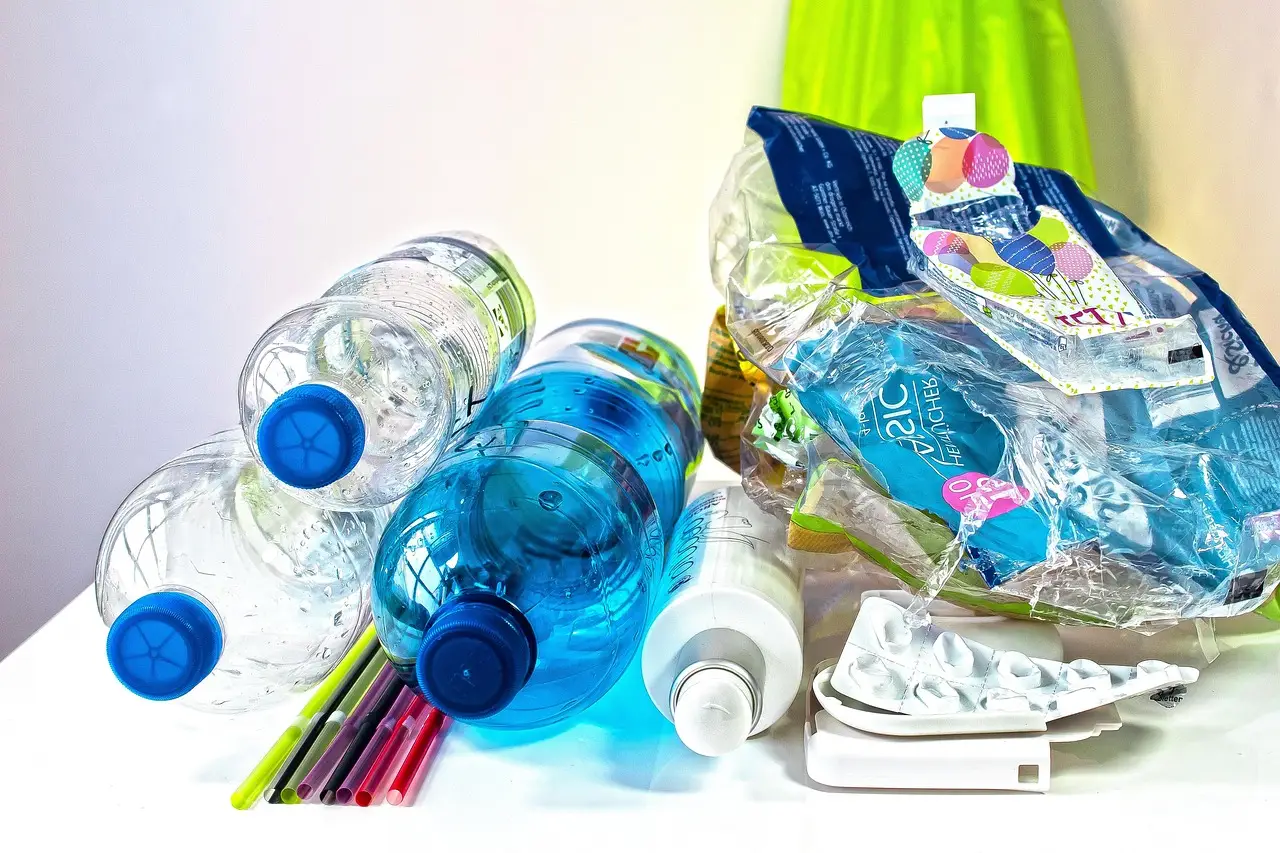
PO95 contains at least 95% polyolefins, primarily PE and PP. The Dutch material Aduro tested also carried small amounts of PET, polyamide (nylon) and polystyrene, along with fillers and additives.
Twenty hours proved too short a window to establish a PO95-specific yield or to say what further treatment the output might need before it could serve as feedstock for new plastics. Aduro did not report a separate figure for that segment; more operating time and sample analysis will be required.
Where will the industrial plant get its feedstock?
Dyck said Aduro expects to source prepared feedstock for Chemelot from existing European suppliers — the same suppliers that handle some of the plastic sorting facilities set aside from mechanical recycling. Dirtier streams, if pursued later, would likely require mechanical preparation before entering the chemical recycling process.
Dyck positioned Aduro's Hydrochemolytic Technology as an alternative to pyrolysis, noting that pyrolysis oil can require additional hydrotreating before use as a chemical feedstock. The earlier clean-polyolefin runs, including a 75-hour September campaign across three blends, established the benchmark against which the post-consumer results will be read.
"We're moving from clean, controlled plastics to real post-consumer waste, which contains other polymers and materials that can affect how the process operates," Dyck said. "We want to understand how those materials affect the process and what adjustments are needed to maintain stable operation."
The announced capability remains distinct from built capacity: Chemelot is a planned facility, and the pilot is the evidence base behind it.
What happens next?
Aduro also ran deliberate interruption tests under each feedstock, bringing the system back to target conditions without a full shutdown; backup systems kept the pilot running through an unexpected outage on the local power grid. Those tests told the team what its automated controls must monitor at higher throughput.
Pilot data are now supporting FOAK Early Works engineering and procurement activities undertaken by Saipem at Chemelot, covering reactor sizing and design, equipment evaluation and utility integration for the first industrial plant.
Aduro plans further campaigns with different feedstocks and operating conditions as it works toward initial production.
"The company is targeting 2028 for the first product to go through the facility," Dyck said. "But that all depends on permitting on the sites."
The 2028 target now hangs on the permitting calendar — the milestone that decides whether this pilot data ever becomes throughput.
via resource-recycling.com (Source)
More from Olivia Hart
Show full bio
Staff writer covering regulation, policy and their impact on Circular economy and the environmental industry at Circular Wire.
478 articles