Plastics & Chemical Recycling
Aduro's Eric Appelman Takes Board Seat at Chemical Recycling Europe
Aduro Clean Technologies' Eric Appelman joins Chemical Recycling Europe's board as EU institutions advance circular plastics policies that will shape the sector's market access.
Waypoints
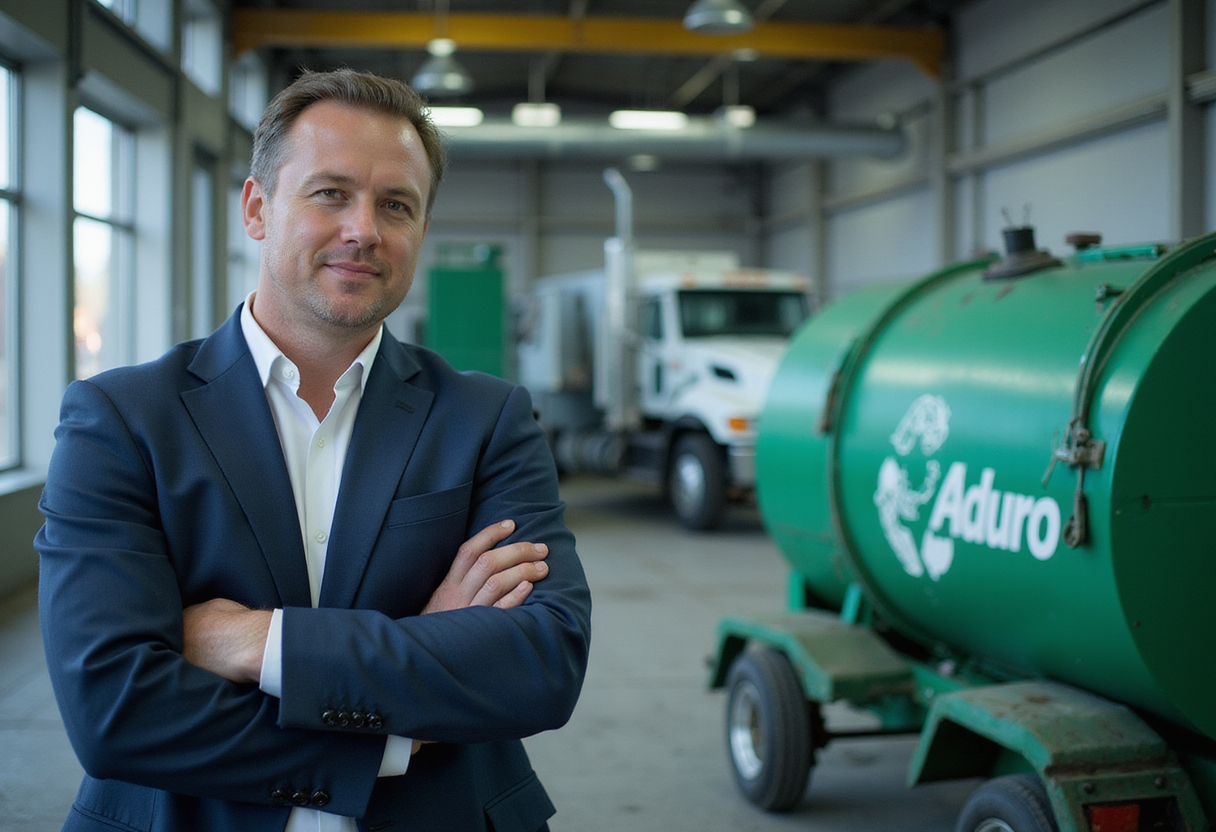
Eric Appelman of Aduro Clean Technologies has joined the board of Chemical Recycling Europe.
The appointment comes as the EU advances circular plastics policies affecting the recycling sector.
Aduro develops hydrochemical processing technology converting waste plastics into higher-value feedstocks.
Chemical Recycling Europe advocates for chemical recycling as a complement to mechanical recycling.
Aduro Clean Technologies' Eric Appelman has joined the board of Chemical Recycling Europe, the industry association confirmed, putting a senior figure from a Canadian chemical recycling developer at the table just as Brussels pushes new circular plastics policies toward implementation.
Appelman carries the portfolio at Aduro, a company developing hydrochemical processing technology that converts waste plastics into higher-value feedstocks. His move onto the association's board gives the company a direct line into the European policy conversation that will shape market access for chemical recycling operators across the bloc.
Why does this board seat matter now?
Chemical Recycling Europe represents companies pushing pyrolysis, depolymerization and related technologies as complements to mechanical recycling. The association's core argument is straightforward: plastics streams that mechanical recyclers cannot economically process still carry value, and policy should recognize chemical routes when they deliver verifiable circularity.
Board composition at the association signals which companies intend to shape that argument from the inside. Appelman's seat means Aduro now has a voice in how the sector positions itself with EU regulators — on what counts as recycling, on mass balance accounting, and on how chemically recycled content gets credited toward recycled-content targets.
The timing is the story. The EU has been advancing a set of circular plastics policies that will determine whether chemical recycling scales in Europe or stalls at demonstration size. Rules on recycled-content mandates, emissions accounting and technology classification are all in motion. Each decision will decide which processes qualify and which investments follow.
What's at stake for Aduro?
Aduro has positioned its technology as an alternative to conventional chemical recycling routes — one aimed at mixed, contaminated plastic streams that resist mechanical processing. Europe represents both a regulatory proving ground and a potential demand base, since EU recycled-content requirements are creating buyers for every tonne of credible recycled output the sector can produce.
A board seat at the sector's main European association gives the company early visibility into policy direction and a platform to argue its technology's case alongside established players. It also ties Aduro's European strategy to the association's collective lobbying weight.
The takeaway
This is a governance move with market consequences. Watch the EU's next policy milestones on plastics circularity — the classification and accounting rules now in the pipeline will decide whether chemical recycling capacity in Europe gets built or stays on paper.
via Google News: Chemical and plastics recycling (Source)
More from Daniel Okafor
Show full bio
Correspondent covering companies, deals and strategy in Circular economy and the environmental industry at Circular Wire.
331 articles