Compliance & Policy
APR Opens Recyclability Assessment Tool to All Packaging Companies
APR's Recyda-powered assessment tool automates Design Guide checks, SB 343 compliance classification and EPR fee calculations for plastic packaging portfolios.
Waypoints
APR publicly launched its Design Assessment Tool on September 29, 2026, offering three subscription tiers for companies of any size.
The Recyda-powered platform automates the APR Design Guide and issues compliance classifications against all four criteria of California's S.B. 343 Truth in Labeling law.
Canadian PROs have aligned on the APR Design Guide as the authority for plastic packaging design, and California requires guide alignment under S.B. 54 EPR and labeling laws.
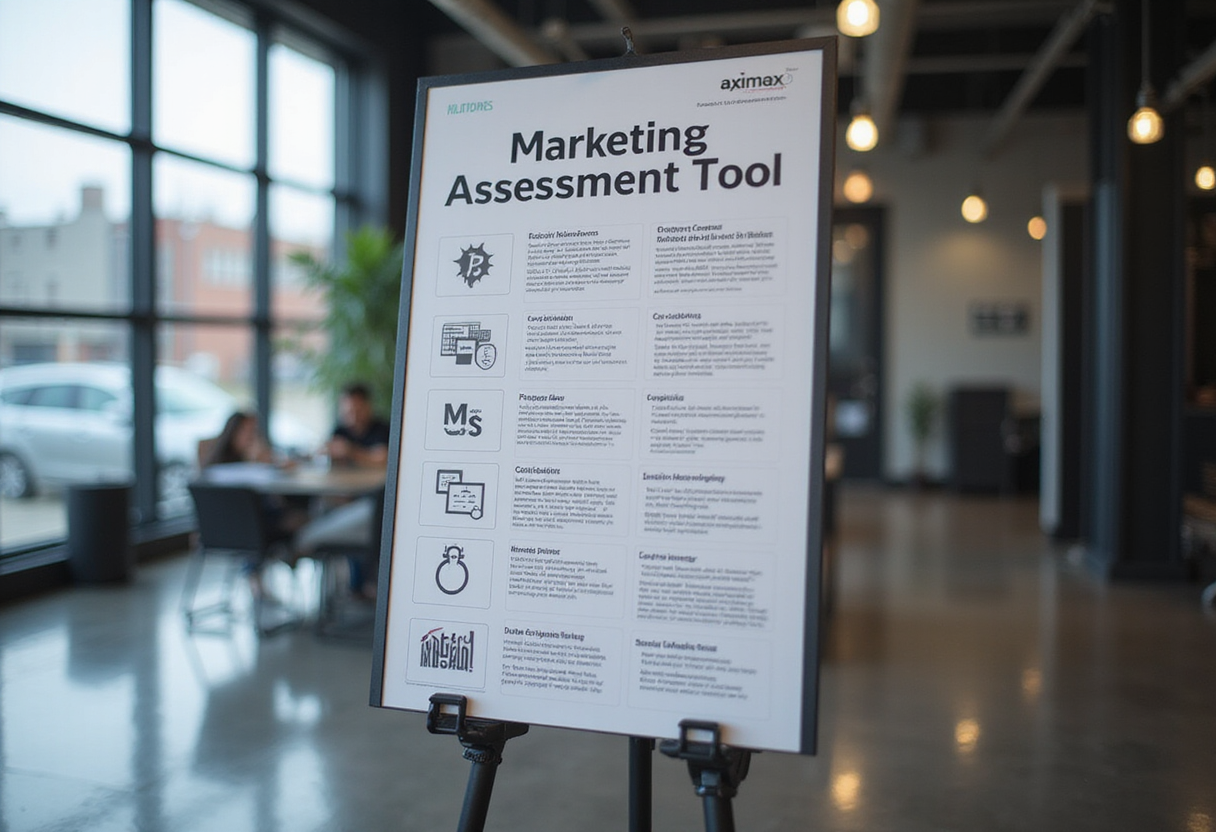
The Association of Plastic Recyclers (APR) has publicly launched its APR Design Assessment Tool, a digital platform that automates the trade group's Design Guide for Plastics Recyclability and opens the assessment process to companies of any size through three subscription tiers.
The Washington-based organization built the tool with Germany-based packaging software developer Recyda. It walks users through a structured sequence of steps to determine packaging composition and technical recyclability, flags missing information and potential design incompatibilities, recommends recyclability improvements, and assigns an APR design classification to the assessed package or portfolio.
The tool also screens packaging against California's Senate Bill 343, the so-called Truth in Labeling law, and issues a final classification of compliance covering all four criteria within the statute. APR says add-on features will let companies calculate extended producer responsibility fees in U.S. and Canadian jurisdictions where EPR programs apply.
Regulatory anchor
The launch arrives as labeling and EPR requirements expand across North America, and the technical stakes for packaging designers track directly to the APR Design Guide itself. Canadian producer responsibility organizations have aligned on the design guide as the authority for plastic packaging design guidance, according to APR. California requires design guide alignment in both its EPR law, Senate Bill 54, and its labeling law, and several other states use APR guidance as a benchmark for recyclable plastic packaging design.
That regulatory footprint turns the guide from voluntary technical reference into a de facto compliance standard across multiple jurisdictions — and turns the assessment process into a bottleneck that the new tool aims to clear.
"Evaluating packaging for recyclability can be a complex and time-consuming process," APR President and CEO Steve Alexander says. "With the public launch of the APR Design Assessment Tool, companies now have broader access to the trusted guidance of the APR Design Guide in a digital platform that makes the assessment process more efficient and helps them make informed packaging design decisions. This helps companies save time and reduce the risks of self-assessment as they prepare for legislative and regulatory requirements."
What the tool does
APR positions the platform as more than a digitized checklist. According to the organization, the tool:
- guides users through packaging makeup and recyclability evaluation;
- identifies missing information in submissions;
- highlights design features that conflict with recyclability;
- recommends optimization opportunities;
- assigns an APR design classification;
- issues a final S.B. 343 compliance classification across all four statutory criteria.
The EPR fee calculation capability arrives as an add-on rather than a core function, a distinction that matters for brand owners budgeting against fee schedules in regulated jurisdictions.
Market position
The subscription structure — three tiers — signals APR's intent to move the tool beyond large consumer packaged goods companies with in-house packaging engineering teams. Smaller brand owners facing the same labeling and EPR obligations now have a lower barrier to formal assessment against the design guide.
APR is supporting the rollout with a webinar series focused on the new tool.
For packaging producers, the calculation is straightforward: as more states and provinces benchmark recyclability claims against the APR Design Guide, self-assessment risk rises in step. A digital classification from the organization that writes the guidance reduces that exposure — particularly in California, where S.B. 343 labeling enforcement and S.B. 54 EPR implementation both hinge on guide alignment.
The milestone to watch is the rollout of S.B. 54 program requirements and S.B. 343 labeling enforcement in California, where compliance classifications issued by this tool will face their first real regulatory test.
via api.gie.net (Original)
More from Daniel Okafor
Show full bio
Correspondent covering consumer brands and retail at Circular Wire.
133 articles