E-Scrap & Battery Recycling
Battery Recycling Takes Dedicated Hall Space at The Battery Show
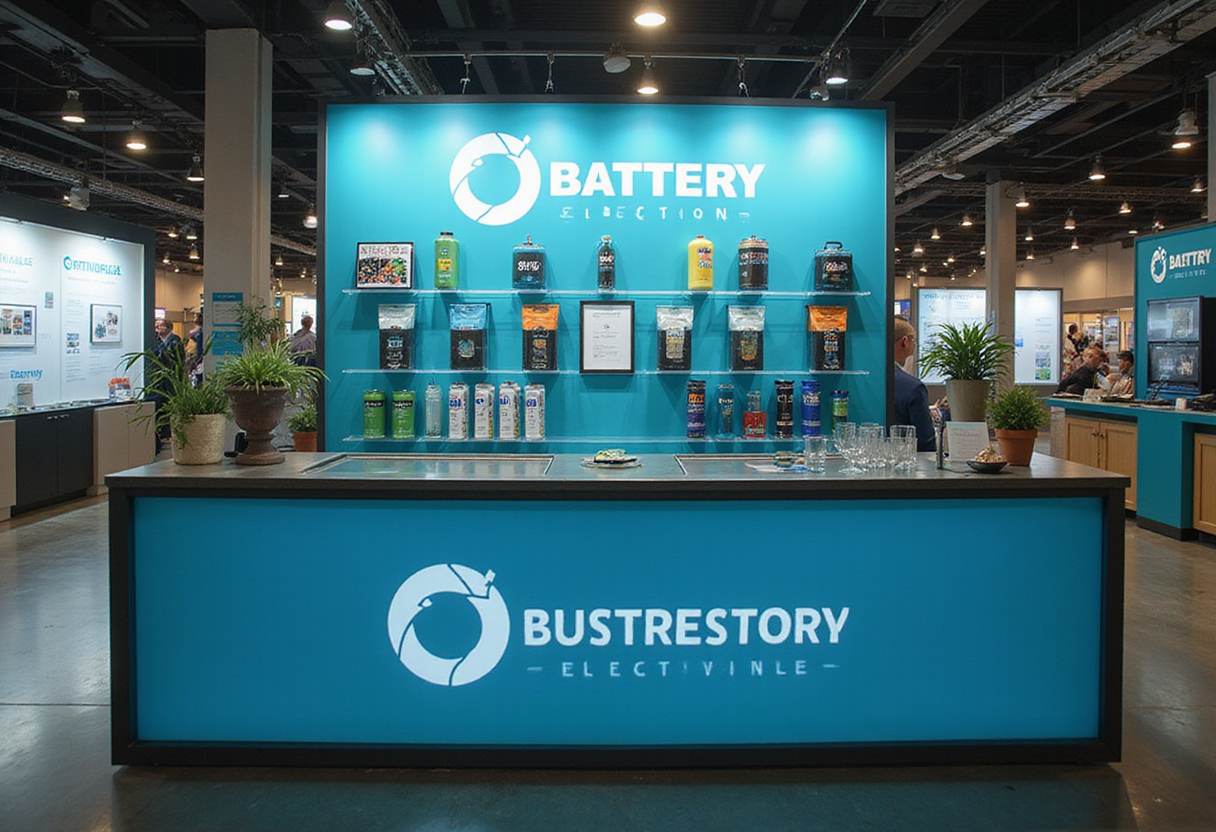
The Battery Show dedicates floor space to battery recycling this season. Battery Technology reports dedicated halls where shredder, leaching and direct recycling vendors meet recovery operators building out 2027-2028 throughput capacity.
Waypoints
The Battery Show dedicates exhibition floor space to battery recycling this season, as reported by Battery Technology.
Order books at recovery equipment OEMs routinely run 18 to 24 months, compressing procurement cycles at the show.
EU Battery Regulation recovery thresholds step up annually through 2027, with recycled-content quotas binding on a phased schedule.
California's SB 615 and equivalent state extended-producer-responsibility statutes direct feedstock into the U.S. processing network.
Discharge and dismantling cells are evaluated on inert atmosphere, thermal monitoring, and pack-opening rate to avoid thermal runaway.
The Battery Show has installed battery recycling as a featured floor category this season, with Battery Technology covering dedicated exhibition space for the segment alongside the cell and pack-assembly halls.
What the recycling floor looks like
Visitors walking the dedicated recycling halls encounter shredding systems, hydrometallurgical leaching lines, direct recycling pilots, and discharge and dismantling cells. Pyrometallurgical furnace vendors sit beside hydrometallurgical reagent suppliers and downstream cathode-precursor refiners. Battery Technology's coverage points to recovery technology as the segment drawing stand traffic beyond the usual pack-assembly crowd.
Why the shift to permanent hall space
Three factors converge behind the exhibition's pivot. Volume: first-generation EV packs built in the 2017–2020 wave reach dismantling facilities in measurable tonnages rather than research-sample quantities. Regulation: the EU Battery Regulation steps recovery thresholds annually through 2027, with recycled-content quotas in new cells entering force on a phased schedule. Capital: refiners commissioning hydrometallurgical and pyrometallurgical capacity now issue conditional offtake contracts to processors whose black mass feed specifications meet battery-grade chemistry targets.
Procurement role at this year's show
Operators use the floor as a buying venue for capacity upgrades. They compare vendor throughput figures, line commissioning dates, and reagent chemistry across competing process trains. Processors shop for offtake agreements with refiners; cell and pack manufacturers scout recyclers to satisfy extended-producer-responsibility obligations across the EU and emerging state-level programs in California and elsewhere.
Order books at established shredder and leaching-system OEMs routinely run 18 to 24 months. The show compresses that buying cycle into three days, with attendees evaluating throughput per hour, particle size distribution from the cut, and the share of black mass recovered at downstream hydrometallurgy. Discharge and dismantling cells get reviewed on safety metrics: inert atmosphere, thermal monitoring, and the rate at which packs can be opened without thermal runaway.
What separates working suppliers from slideware
Refining equipment suppliers face the harder sell. Operators want recovery yields at commercial scale, not laboratory grade. Direct recycling vendors claim cathode regeneration in hours; buyers want proof that regenerated material cycles through battery cells with acceptable coulombic efficiency. Black mass processors running today need throughput consistency, not periodic record-breaking tonnes.
Milestones that decide the next 18 months
The EU Battery Regulation enters its binding recycling efficiency phase, with cobalt, nickel, and lithium recovery targets stepping up on a published schedule. California's SB 615 and equivalent state extended-producer-responsibility statutes generate feedstock into the U.S. processing network. Lithium recovery thresholds and EV battery passport implementation dates remain the schedule items operators track most closely.
The next physical Battery Show will test whether the projects announced at this year's recycling hall have moved from press release to commissioned throughput. Trade visitors are buying against 2027–2028 capacity targets, with limited tolerance for vendor slippage.
via Google News: Battery recycling and e-waste (Source)