E-Scrap & Battery Recycling
BCA Industries develops portable battery recycling system
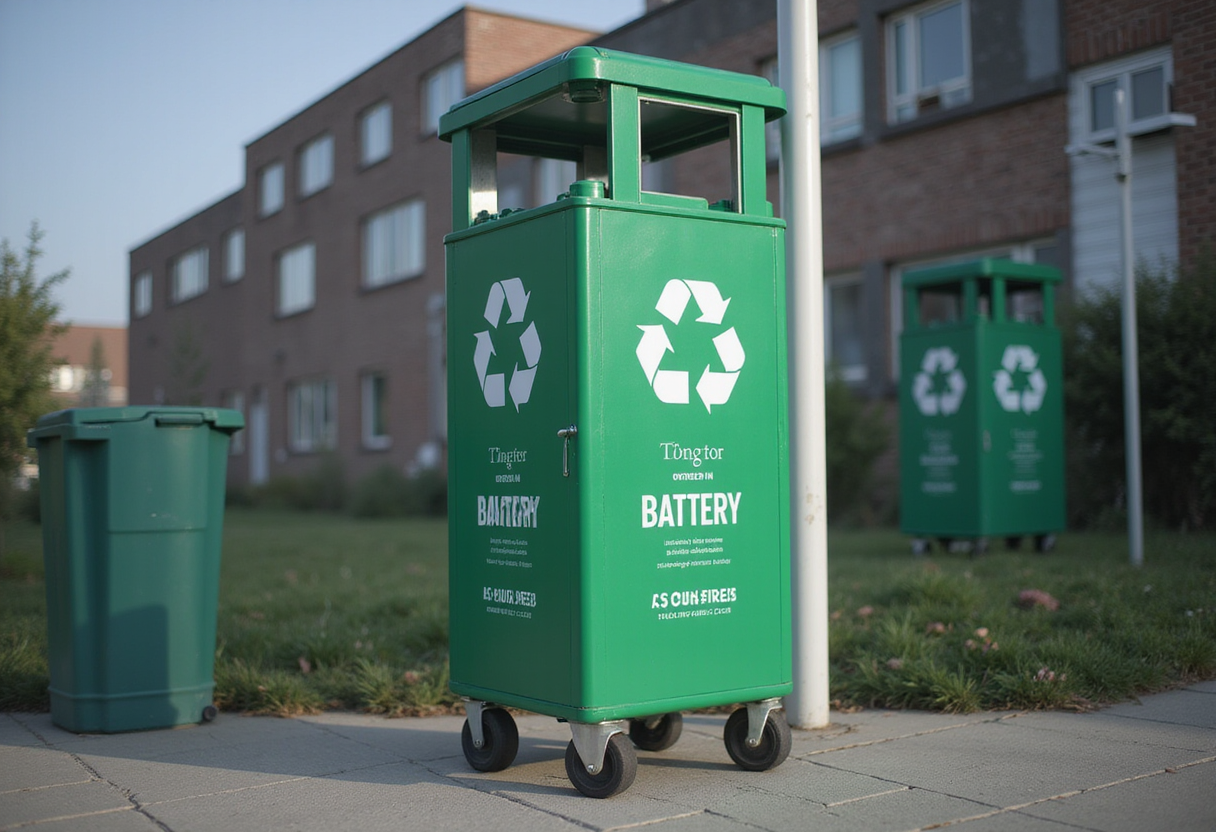
BCA Industries is designing a portable version of its battery recycling system, framing the mobile unit as a way to bring the recycler to the battery and reduce transport-driven chain-of-custody risk.
Waypoints
BCA Industries is designing a portable version of its battery recycling technology
The mobile unit is intended to be brought to the battery rather than have batteries shipped to a fixed plant
The design rationale is to reduce liability by eliminating long-distance transport of large battery volumes
BCA Industries has not disclosed throughput, capacity, or chemistry targets for the portable platform
No commercial launch date, pilot partner, or permitting pathway has been announced
BCA Industries is designing a portable version of its battery recycling system, framing the mobile platform as a way to move processing capacity to the battery rather than ship large volumes of spent cells to a fixed plant.
"Instead of transporting large volumes of batteries over long distances, a mobile recycling system can be brought directly to the batteries, reducing liability," the company said in describing the design.
What does portable change for the recycler?
The shift inverts the dominant logistics arrangement in end-of-life battery processing. The standard path runs from generator to collector to broker to processor, and the material moves through a chain of handlers before reaching a processing line. Each handoff adds packaging, transport, and insurance costs, and widens the compliance perimeter the recycler and the shipper must manage.
A portable recycling unit narrows part of that chain. The recycler travels to the generator's site, processes the material under a single custody record, and ships out separated streams rather than whole batteries. BCA Industries is positioning the structure as a liability-reduction tool, not a logistics add-on: the entity exposed to a spill, fire, or release is the one moving the material, and removing the long-haul leg cuts that exposure.
What is the throughput profile?
BCA Industries has not disclosed capacity, throughput, or chemistry targets for the portable design. The company describes the unit as an adaptation of its established recycling technology, suggesting the core processing steps carry over from the fixed system. What changes is the form factor: a portable unit must fit standard road-transport envelopes, deploy without permanent utility hookups, and meet air-emissions and wastewater-handling rules under a mobile or temporary permit framework.
That last constraint will likely shape which sites the mobile unit can serve. Battery processing generates heat, dust, and electrolyte vapour that fixed plants manage through permanent scrubber and ventilation systems. A portable configuration must replicate those controls within a smaller footprint, and the permitting authority must agree the temporary installation meets the same performance standard as a stationary facility.
What milestones decide whether the design reaches the field?
Three filings and agreements will determine whether the portable platform moves from rendering to revenue. First, the initial hazardous-waste treatment permit tied to the mobile unit, or a service contract under which the portable unit operates as an extension of an existing permitted site. Second, a host agreement with a generator willing to run a demonstration, whether a military depot, an automotive dismantling operation, or a utility-scale storage retirement project. Third, Department of Transportation clearance for the unit's transport configuration, including battery-state-of-charge rules for any onboard processing equipment.
Until those markers appear, the portable platform remains a design commitment rather than a commercial offering. BCA Industries has not announced a launch date, a pilot partner, or a target deployment window. The next regulatory filing, host agreement, or DOT clearance will mark the transition from concept to deployable capacity.
via Recycling Today (Source)
More from Olivia Hart
Show full bio
Staff writer covering marketplaces and e-commerce at Circular Wire.
291 articles