E-Scrap & Battery Recycling
Brunei Authorities Order Residential E-Waste Site to Shut Down
A home in Brunei used as an unlicensed e-waste site has been ordered to cease all activities, as authorities move against informal electronics handling.
Waypoints
A residential property in Brunei used as an e-waste site was ordered to cease all activities
The directive stops acceptance, storage and handling of discarded electronics at the home
The site operated outside any licensed e-waste framework
No volume of accumulated material or penalty has been disclosed in the report
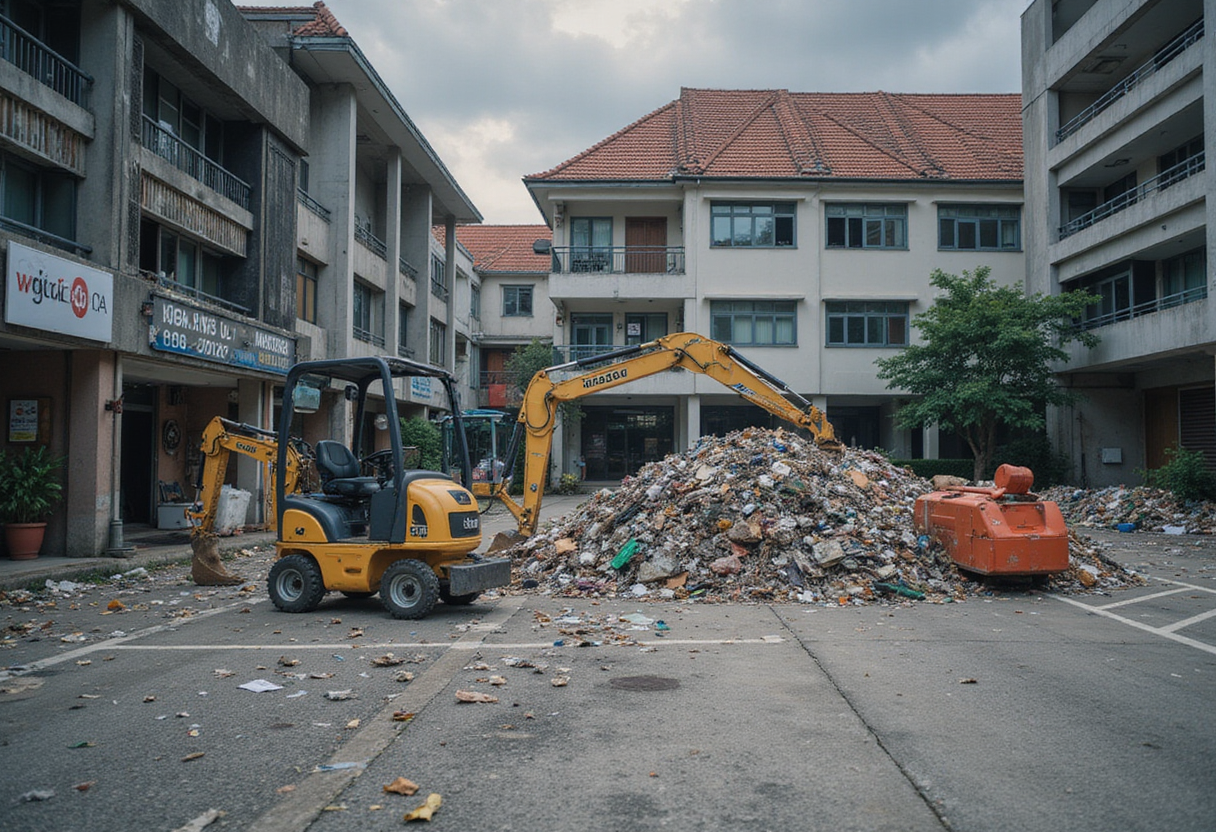
A residential property in Brunei converted into an e-waste collection and storage site has been ordered to cease all activities, after authorities intervened against the unlicensed operation.
The directive, reported by The Star, puts a hard stop to a facility that had been handling end-of-life electronics outside any formal permitting or oversight framework. The case matters to regional scrap and e-waste operators for one reason: it shows Brunei's regulators are now moving against informal e-waste accumulation at the household level, a stream that in much of Southeast Asia still moves through unregistered channels.
What happened at the site?
According to the report, a home was being used as a de facto e-waste site — a drop point and storage location for discarded electronics. Enforcement authorities ordered the property's operators to stop all e-waste-related activities at the location.
The order covers the handling of the material itself. That means the site can no longer accept, store or process discarded electronic equipment, which typically includes anything from consumer devices to larger appliances containing recoverable copper, aluminum and printed circuit boards.
Why does a single enforcement action matter?
One shutdown at one address may look marginal against the region's e-waste volumes. But informal residential accumulation points sit at the very start of the collection chain. Material gathered there either enters licensed processing — or it doesn't.
When unlicensed sites collect electronics without controls, several risks follow:
- Environmental exposure. Stored e-waste can leak lead, mercury and other hazardous components into soil and groundwater, especially at sites never engineered for waste handling.
- Lost accounting. Material moving through informal channels never enters national e-waste statistics, distorting collection-rate reporting.
- Downstream opacity. Electronics from unregistered sites often flow to processors with no documentation of origin or treatment standard.
For licensed operators in the region, every closure of an informal node is also a potential redirection of feedstock toward compliant collectors — assuming enforcement is paired with accessible legal collection infrastructure.
What does the order require?
The core of the directive is cessation. The site's operators must stop the e-waste activities that drew the order. The Star's report does not specify additional remediation terms, the volume of material held at the property, or the deadline attached to the closure demand.
Those open questions will shape what happens next materially: whether stockpiled electronics are removed to a licensed facility, and whether the operator faces penalties beyond the shutdown itself.
The bigger enforcement picture
Across Southeast Asia, regulators have spent the past several years tightening controls on where and how e-waste can be handled. Home-based accumulation points are a persistent feature of the informal sector, and shutdowns like this one are the standard enforcement response where licensing regimes exist.
Brunei's action fits that pattern: identify the unlicensed site, order the activity stopped, and put the burden of compliant disposal back on the operator. The Star's report does not indicate whether this case is part of a wider sweep or an isolated action.
What to watch next
The milestone that decides the story's trajectory is the follow-through: whether authorities confirm removal of the accumulated electronics, disclose any penalty, and signal whether further residential e-waste sites are under investigation. Until those details emerge, this stands as a single confirmed enforcement action — an informal collection point in Brunei taken offline by direct regulatory order.
via Google News: Battery recycling and e-waste (Source)
More from Daniel Okafor
Show full bio
Correspondent covering consumer brands and retail at Circular Wire.
285 articles