E-Scrap & Battery Recycling
Cambodia maps a phased route for portable-battery recycling
Cambodia's 200-point portable-battery network collects 2 tonnes a year. BATTPRO estimates 313 tonnes could enter formal channels by 2035 under a realistic scenario.
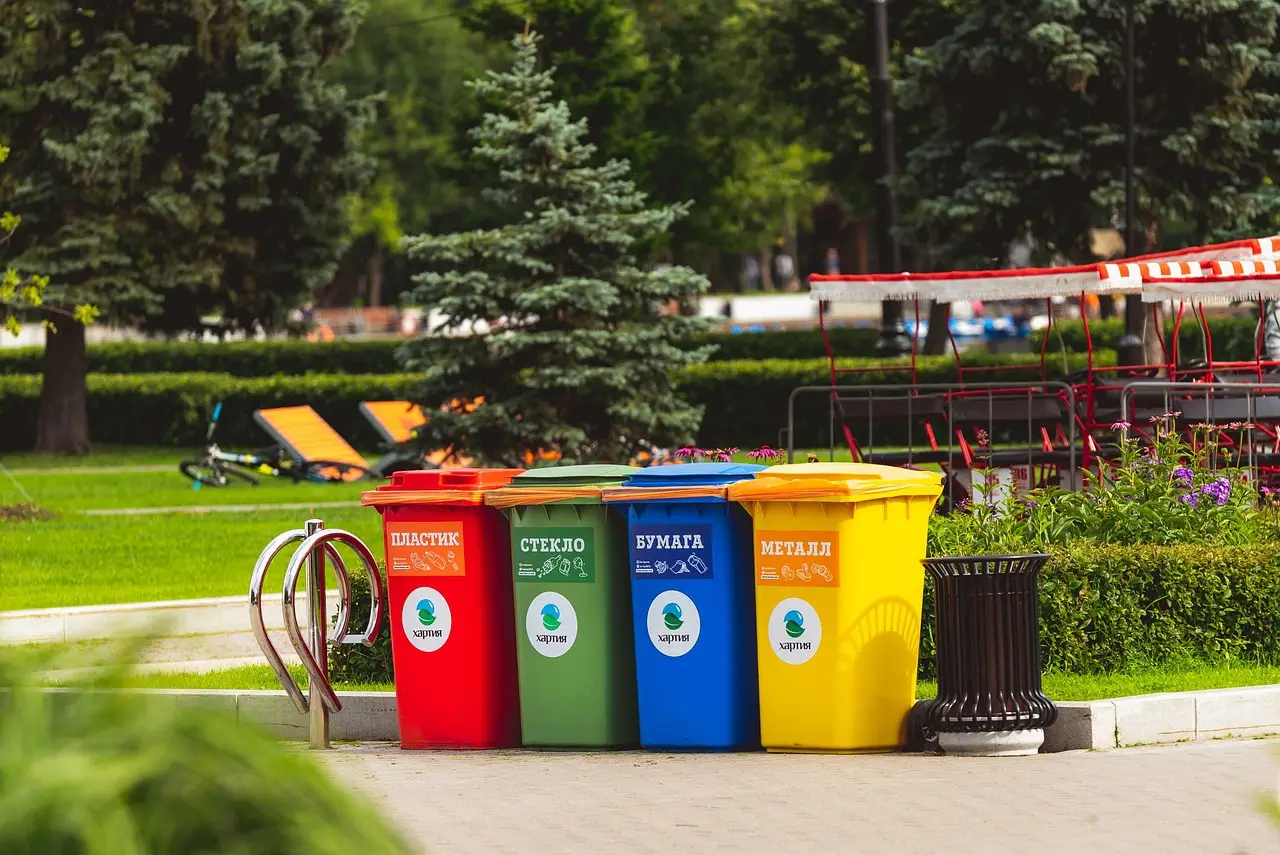
Cambodia’s dedicated portable-battery network spans about 200 collection points but captures only 2 metric tonnes a year, according to BATTPRO’s 2026 assessment. ECOBATT Energy Cambodia operates the sites, mainly around Phnom Penh, leaving roughly one point for every 9,400 residents and little convenient access elsewhere.
Cambodia has no established domestic route for sorting, pre-treatment and large-scale recycling of mixed portable batteries. Operators store returns as mixed fractions, with about 10 metric tonnes in storage at assessment, while larger volumes enter household waste or remain litter.
Damaged or mishandled batteries can release hazardous substances and ignite during collection, compaction, sorting and disposal. Mixed chemistries, sizes and formats make handling costly. BATTPRO’s conclusion was direct: “recycling technology alone does not create circularity.” Safe management also needs data, access, enforceable duties and long-term finance.
What did the two-year assessment establish?
BATTPRO — Battery Take-Back Professionalisation to Support Environmental Protection in Cambodia — ran from August 2024 to July 2026. Stiftung Gemeinsames Rücknahmesystem Batterien, Germany’s oldest battery take-back system, and German waste consultancy ECOLOGICON GmbH delivered it. Germany’s Environmental Protection Export Initiative funded the project through the Federal Ministry for the Environment.
It covered consumer batteries in remote controls, power tools, laptops and rechargeable devices. It excluded electric-vehicle batteries, stationary storage systems and lead-acid starter batteries.
Researchers combined trade data, local expert input, stakeholder mapping, site visits and practical assessments. They asked how many batteries enter Cambodia, where they go and which actors, rules and facilities could form a system. A workshop tested options implementable by 2035.
United Nations Comtrade records used broad tariff codes, while other batteries entered inside equipment or left through product exports. Official data showed little about use and disposal, so the team built top-down and bottom-up estimates and treated them as scenarios, not forecasts.
Where does the take-back chain break?
Five findings define the system gap:
- No complete register. Cambodia lacks a comprehensive producer or importer register. After import, authorities cannot track distribution or re-exports, making targets and investment sizing unreliable.
- Thin collection coverage. Most end-of-life batteries stay outside formal channels. Some enter municipal waste or litter; others enter informal repair, resale and material recovery, where poor handling transfers risk to workers.
- Storage instead of treatment. About 10 tonnes of mixed batteries awaited an outlet. Safe interim storage helps, but it cannot be the long-term objective.
- Unclear responsibility. Limited data, thin coverage and absent downstream capacity obscure who pays. Material revenue will not finance low-value chemistries and hazardous residues.
- Premature plant risk. Cambodia lacks the volumes, sorted feedstock and finance for complex all-chemistry infrastructure. Collection, sorting, safe storage and compliant exports could deliver earlier benefits. Local recycling can follow when volumes, expertise and markets exist.
Formalisation should retain informal actors’ reach and local knowledge.
What could Cambodia collect by 2035?
BATTPRO estimates annual portable-battery imports could reach about 3,125 metric tonnes by 2035, 80% above the model’s current reference level. It converts that volume into three pathways.
- Baseline: Slow development produces a 3.5% collection rate.
- Realistic: A 10% rate sends about 313 metric tonnes into dedicated channels. Sorting and pre-treatment leave roughly 282 tonnes for qualified downstream exports and 31 tonnes for controlled landfill or co-processing as process residues.
- Best case: A 35% rate adds domestic pyrometallurgical recycling capacity.
BATTPRO presents the realistic pathway as the most useful bridge to a mature system. It requires about USD 649,000 in initial investment and USD 472,000 annually. The best case requires approximately USD 3.26 million initially and USD 1.27 million annually. High-capital infrastructure built before feedstock is secured would carry significant utilisation risk.
Who would pay for safe management?
Under one EPR model, Cambodia’s Ministry of Environment would mandate a producer responsibility organisation, or PRO, or establish a battery waste fund. Importers and other obligated companies would register, report placed-on-market volumes and pay volume-based fees.
The PRO would contract qualified collection, logistics, sorting, pre-treatment, recycling or export services, finance public information and report to the ministry. Enforcement would prevent free-riding and protect compliant companies from undercutting.
BATTPRO models about USD 0.004 per battery in the realistic pathway, assuming a 20-gram average weight and projected 2035 market. Actual service costs, verified volumes, targets and treatment contracts would set the final fee. The 2026 draft white paper states: “Data and enforcement are infrastructure in their own right.”
What must happen before 2035?
During the first two years, Cambodia should issue interim safe-storage, transport and handling guidance; assign duties among the ministry, municipalities and private operators; permit collectors and aggregators temporarily; and begin market and collection reporting. Existing initiatives should receive standardised, fire-safe containers.
Retailer, school and public-building take-back should be piloted. The ministry should map and include informal collectors where feasible, secure compliant storage and exports, and launch a stakeholder platform. Its message should be simple: batteries do not belong in household waste.
From roughly two to five years, Cambodia should choose the EPR design, enact legislation, set collection and recycling targets, and introduce penalties, inspections and anti-free-riding measures. A producer register would track placed-on-market and collected volumes.
Retail take-back and municipal collection should expand, with mobile or periodic rural services. A national logistics network, downstream standards, an approved list of recyclers and exporters, and chain of custody would provide operational integrity. Sorting and selected pre-treatment should grow only with secured volume and contracts.
Over five to ten years, the roadmap calls for nationwide collection, digital material-flow tracking and higher targets. Local recycling should follow only where feedstock, safety, capability and economics make it viable. ASEAN hubs may handle some chemistries more efficiently than duplicating plants across countries. Eco-design incentives, reuse or second-life uses, and a national circular-economy strategy complete the plan.
Success means keeping batteries out of household waste, collecting them safely, classifying them correctly and documenting treatment. BATTPRO’s sequence is firm: build rules, data, finance and collection first; add recycling capacity against verified flows.
The decisive milestone is enactment of EPR legislation and creation of a producer register that can turn reported volumes into enforceable fees. That milestone determines whether the modelled 10% collection pathway becomes financeable.
via waste-management-world.com (Source)
More from Rebecca Stone
Show full bio
News editor covering companies, deals and strategy in Circular economy and the environmental industry at Circular Wire.
459 articles