Compliance & Policy
CFB Kingston failed refrigerant compliance inspection: memo
An internal memo confirms CFB Kingston failed an environmental compliance inspection on refrigerant handling, committing the base to corrective action.
Waypoints
CFB Kingston failed an environmental compliance inspection on refrigerants, per an internal memo
The finding was reported by The Lethbridge Herald
The memo commits the Department of National Defence to a documented corrective path
The specific deficiencies, refrigerant quantities and re-inspection deadline have not been disclosed
Canadian Forces Base Kingston failed an environmental compliance inspection covering refrigerant handling, according to an internal memo reported by The Lethbridge Herald. The finding places one of the Canadian military's oldest installations under scrutiny for how it manages ozone-depleting substances and fluorinated gases at the facility level.
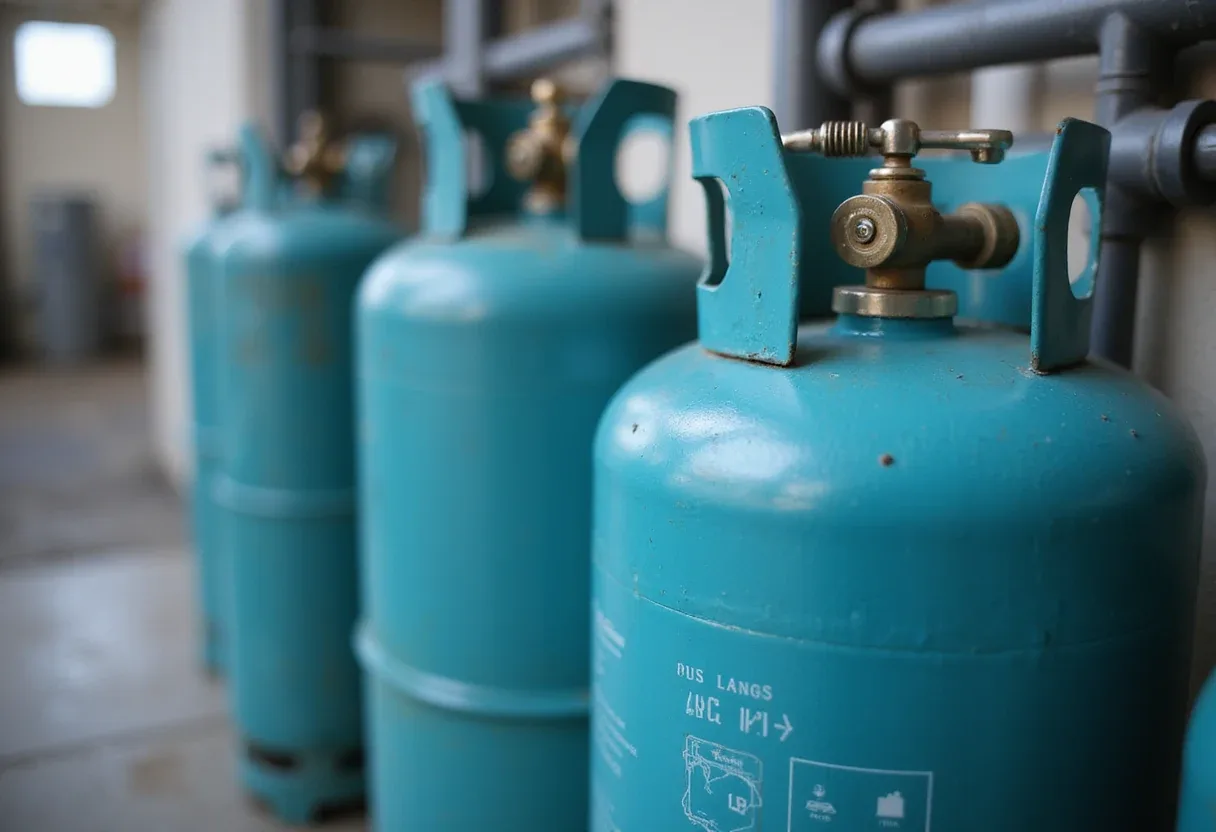
Refrigerant compliance sits at a narrow but consequential point in environmental regulation. Equipment such as chillers, air-conditioning units and cold-storage systems hold regulated refrigerants, and federal rules require leak detection, record-keeping and certified handling when that equipment is serviced or decommissioned. An inspection failure signals that one or more of those controls broke down at the base.
The base at Kingston, Ontario, houses thousands of personnel and operates a large stock of institutional buildings. Each building represents a potential refrigerant inventory, and a compliance failure at that scale typically points to gaps in tracking, technician certification or leak repair timelines rather than a single faulty unit.
What does the failure change for the base?
For CFB Kingston, the immediate consequence is administrative: the Department of National Defence must now respond to the findings documented in the memo, correct the identified deficiencies and demonstrate compliance on re-inspection. The memo itself indicates the failure was recorded formally, which commits the department to a documented corrective path.
For the broader defence portfolio, the finding adds Kingston to a short list of installations where environmental compliance has drawn internal attention. Military bases face the same refrigerant obligations as any large institutional operator, and failures there carry both regulatory and reputational weight.
Why refrigerants carry regulatory weight
Refrigerants matter to regulators for two reasons. Many older compounds deplete stratospheric ozone, and their modern replacements, hydrofluorocarbons, act as potent greenhouse gases with warming potentials hundreds to thousands of times that of carbon dioxide. Federal frameworks accordingly impose strict accounting on every kilogram held, recovered or vented.
A compliance inspection tests whether an operator can account for that material. Failures commonly surface in missing logs, unrepaired leaks or servicing by personnel without the required certification.
The reported memo does not, on its face, specify which deficiencies inspectors found, the quantity of refrigerant involved, or the deadline the base faces for corrective action. Those details will determine whether the failure remains a paperwork issue or escalates into enforcement.
What happens next
The milestone to watch is the corrective timeline. If the Department of National Defence publishes a remediation plan or faces a follow-up inspection, the record will show whether Kingston closed the gap or whether regulators escalate. Until those details emerge, the memo stands as a confirmed compliance failure at a major federal facility, with the re-inspection result deciding what follows.
via Google News: Environmental compliance and EPA (Source)
More from Grace Kim
Show full bio
Market editor covering money, funding and market shifts around Circular economy and the environmental industry at Circular Wire.
421 articles