Industrial Decarbonization
Challenge Filed Against Hydrogen and Carbon Capture Retrofit at Incinerator
A plan to add hydrogen production and carbon capture to an operating incinerator has been formally challenged, the Gazette Herald reports, testing the sector's CCS-led decarbonisation route.
Waypoints
A plan to add hydrogen and carbon capture to an incinerator has been challenged, per the Gazette Herald.
The challenge targets a retrofit proposal at an operating energy-from-waste facility.
Identity of challenger and grounds were not disclosed in the published report.
The decisive milestone is the ruling on the challenge itself.
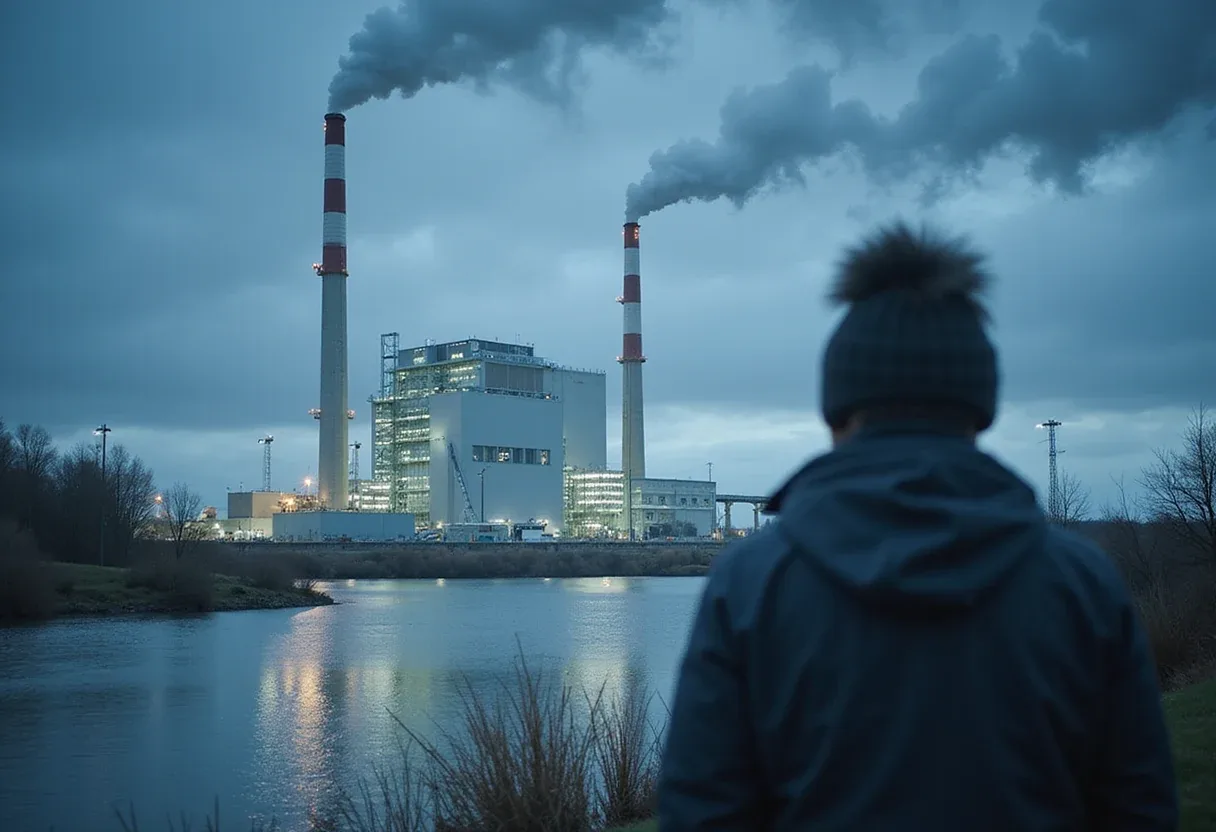
A plan to add hydrogen production and carbon capture to an operating incinerator has been formally challenged, according to a report from the Gazette Herald. The challenge lands on a proposal that would retrofit an energy-from-waste facility with two technologies the waste sector has promoted as its principal route to decarbonisation: carbon capture and storage, and hydrogen derived from the combustion or gasification process.
The Gazette Herald's report, carried in headline form, confirms that the retrofit plan has drawn a legal or planning challenge. The identity of the challenger, the grounds of the objection, and the jurisdiction's decision timeline were not detailed in the published material. What does this change for the waste-to-energy sector? It signals that carbon capture retrofits at incinerators — increasingly presented by operators as the industry's answer to emissions scrutiny — will not pass through consenting unopposed.
Why does this challenge matter?
Energy-from-waste operators across the UK and Europe have staked their long-term licence to operate on carbon capture. Several have announced retrofit programmes that would strip CO2 from flue gases and pipe it to storage, while a smaller set have explored hydrogen co-production as a revenue stream to offset capture costs. Each of those announcements is a commitment with a deadline, and each will now be tested in consenting processes where local opposition, planning authorities and judicial review can delay or derail construction schedules.
A challenge at this stage typically attacks the consent itself — an environmental statement, a permitting decision, or the adequacy of the applicant's assessments. Until the challenger publishes its grounds, the practical consequence is delay: every month of legal process pushes back the date at which capture equipment could be ordered, financed and bolted onto the plant.
What does the technology involve?
Carbon capture on an incinerator means fitting solvent-based or similar scrubbing systems to the flue gas stream, compressing the recovered CO2, and connecting the plant to a transport and storage network. Hydrogen addition, in the configurations operators have proposed, involves using the facility's thermal output or syngas to produce hydrogen — a commodity with separate offtake markets and separate safety consenting.
Both additions raise the plant's capital cost, its physical footprint and its complexity. They also raise the question regulators will weigh: whether extending the life of a combustion facility with end-of-pipe abatement serves waste policy better than alternative treatments of the residual waste stream.
What happens next?
The case will now proceed through the relevant planning or judicial forum. The decisive milestone is the ruling or consent decision on the challenge itself — that outcome will determine whether the retrofit proceeds on its announced schedule, returns for revised assessment, or collapses entirely.
Circular Wire will track the decision and the deadlines attached to it.
via Google News: Industrial decarbonization (Source)
More from Grace Kim
Show full bio
Market editor covering money, funding and market shifts around Circular economy and the environmental industry at Circular Wire.
417 articles