Waste Management Business
Chicago food-scrap drop-off network expands to 40 sites
Chicago expanded its free Food Scrap Drop-Off program to 21 library branches and 40 citywide sites, with 2.4 million pounds diverted from landfills and a 10,000-household year-end enrollment target.
Waypoints
Eight library branches were added last week, bringing library drop-off locations to 21 and total citywide sites to 40.
The Department of Streets and Sanitation launched the program in October 2023.
About 2.4 million pounds of waste has been diverted from landfills to a local composting facility.
More than 9,500 households participate, and the department targets 10,000 by the end of the year.
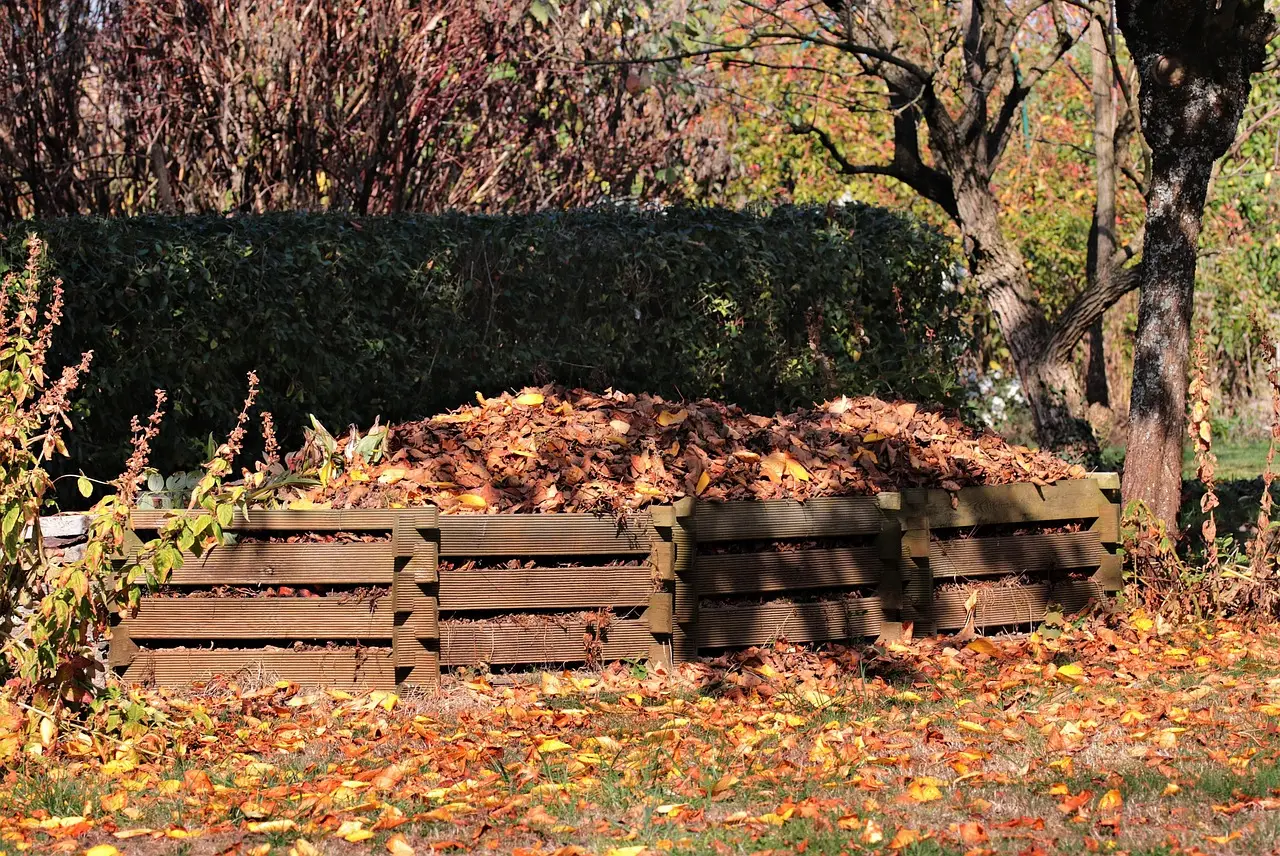
The eight added branches installed bins last week; most bins are in library parking lots, and all have banners and QR codes.
Chicago’s Food Scrap Drop-Off program now spans 40 sites after the city added eight library branches last week, bringing cumulative landfill diversion to about 2.4 million pounds since the city launched the service in October 2023.
By Elena Vasquez
What changed in the food-scrap collection network?
Chicagoans can now drop off food scraps at 21 Chicago Public Library locations. The eight additional branches are operating rather than announced projects: the city installed bins last week, and the locations carry banners marking them as food-scrap drop-off points.
The additions bring the program’s citywide total to 40 sites. The Department of Streets and Sanitation launched the free composting service in October 2023. Its operating model directs household food scraps from neighborhood collection points to a local composting facility rather than landfill disposal.
What do the operating numbers show?
According to Chris Sauve, the department’s deputy commissioner of policy and sustainability, the city has diverted about 2.4 million pounds of waste from landfills to that local facility. The citywide total is roughly 1,200 tons.
The tonnage covers the program since launch, not the eight-branch expansion alone. The announcement does not break out branch contributions, collection frequency, contamination rates, the composting facility’s identity or its processing capacity. For practitioners, those omissions matter: participation and diversion weight describe collection performance, but they do not demonstrate spare downstream capacity.
The disclosed operating footprint consists of 40 neighborhood drop-off sites. The city identifies no new compost plant, processing line or announced plant expansion, so the eight-library addition should not be read as a new processing project. It expands the collection front end for food scraps, while the local composting facility is the stated destination.
That distinction keeps the expansion in proportion: it documents more collection points, not announced processing capacity.
How large is the household base?
“More than 9,500 households citywide participate in the program,” Sauve said. “The department aims to reach 10,000 participating households by the end of the year,” he added.
Those enrollment figures apply citywide, not solely to the library branches. The target gives the department and its composting supply chain a defined milestone to meet by year-end. It does not specify how many additional pounds each new household should contribute, so waste-industry readers should not equate household growth with a stated tonnage gain.
The announcement also does not promise further branch openings, a facility expansion or a new contract tied to the target. That makes 10,000 households a participation commitment to track, rather than evidence of additional built capacity.
Where are the bins and how does sign-up work?
Most of the bins sit in library parking lots, according to Sauve. Each carries a banner marking the location and a QR code that Chicagoans can scan to sign up for the program. The setup combines a visible public collection point with digital enrollment.
For waste managers, the library branch network provides 21 of the program’s 40 collection points, while the other citywide locations extend the service beyond libraries. Operationally, the banners identify each drop-off asset and the QR codes connect that asset to program registration.
What milestone comes next?
No permit deadline, regulatory ruling or composting-plant expansion is announced. The next stated checkpoint is year-end household enrollment: 10,000 participants. The announcement does not attach a new site opening, contract award or processing trigger to that target, so it should be treated as a participation commitment rather than a promise of further built capacity.
For Chicago’s food-scrap stream, the year-end household count is the milestone that will show whether the 40-site network is scaling as the city intends.
via wasteadvantagemag.com (Source)
More from Elena Vasquez
Show full bio
Senior reporter covering technology and product news in Circular economy and the environmental industry at Circular Wire.
493 articles