Circular Economy
Cop31 in Antalya: who decides what on the circular economy agenda
Australia presides, Turkey hosts and controls the action agenda, and Emine Erdoğan's anti-landfill circular economy push meets Turkey's own methane-leaking dump sites.
Waypoints
Turkey controls the Cop31 action agenda, the voluntary programme hosting the circular economy and anti-landfill initiatives
China accounts for nearly a third of global annual carbon output; India's coal supplies about 70% of its electricity
Brazil brings two non-binding roadmaps — fossil fuel transition and deforestation — with no deadlines attached
The UK takes the G20 revolving presidency from December with climate resilience as a reported focus
Saudi Arabia is pushing to delay the 2028 IPCC assessment feeding the Cop33 global stocktake
Australia holds the presidency of Cop31, but the negotiations will run in Antalya, Turkey — a compromise born of a bidding row that still shapes who controls what at this year's summit. For the circular economy crowd, the detail that matters most is procedural: Turkey's government, led by environment minister Murat Kurum, controls the action agenda, the programme of voluntary initiatives where waste and recycling pledges actually live.
Who runs what at Cop31?
The split is unusual. Australia sets the overall direction of the negotiations; Turkey runs the action agenda. President Recep Tayyip Erdoğan has used that agenda slot to push a key interest of his wife, Emine Erdoğan: cutting waste and promoting the circular economy. She has called for an end to "throwaway culture" and for recycling instead of landfill.
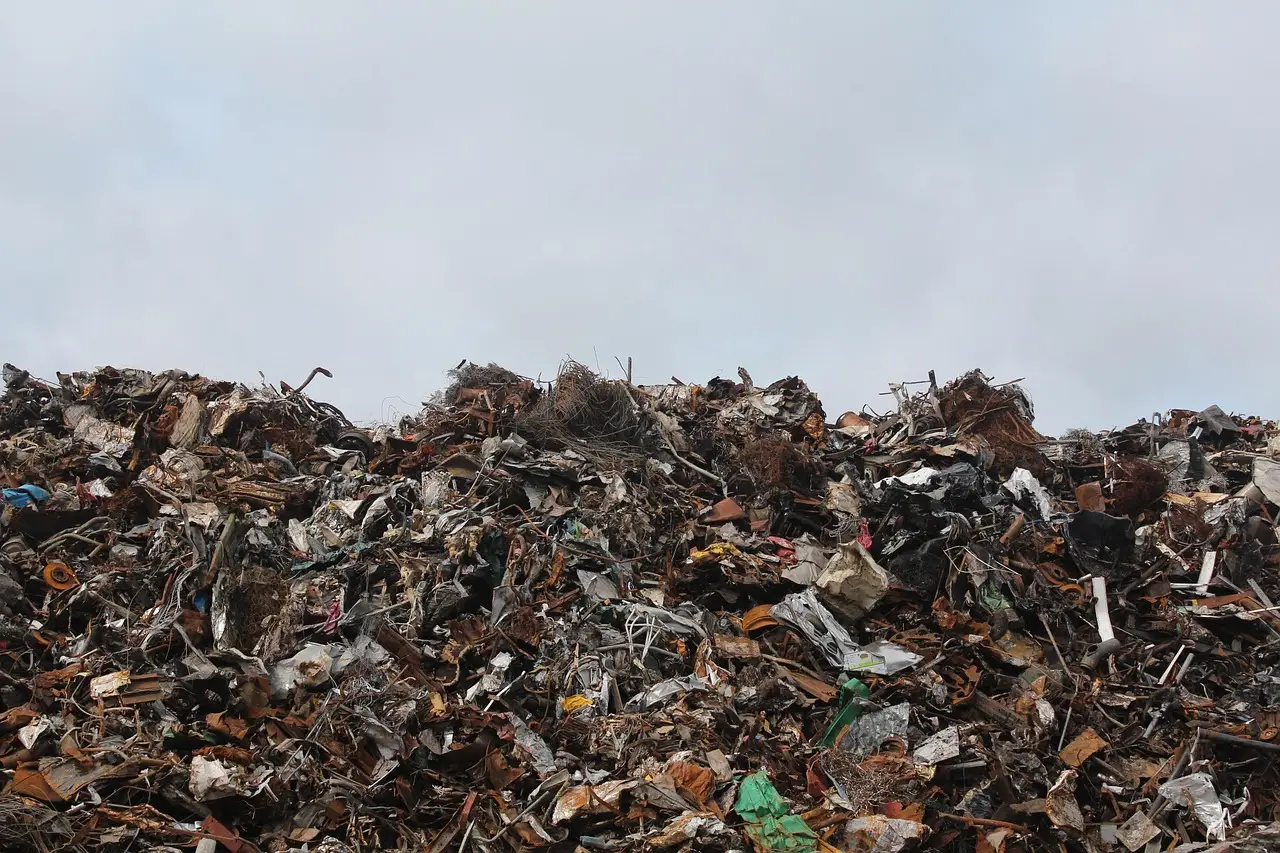
That pledge carries an awkward footnote. Turkey still operates landfill sites that leak vast quantities of methane — a material-stream problem that sits directly at odds with the host country's stated circularity agenda. Treat the Erdoğan circular-economy push as a commitment with a trackable test: what Turkey does about its own methane-leaking sites.
One adviser stands behind this year's policy emphasis. Fatih Birol, head of the International Energy Agency, is understood to be one of the architects of the summit's focus on electrification — displacing fossil fuels with electricity for heating, transport and industrial uses. The IEA's framing: electrification could halve the amount of energy the world needs, making it the next biggest step after expanding renewable generation.
How did the joint hosting come about?
Hosting Cop was a 2021 pledge from Anthony Albanese, made while in opposition and carried into his successful election campaign. Arcane rotation rules forced Australia to wait its turn, then an angry row with Turkey over the hosting followed. The compromise gave Australia the negotiations and Turkey the venue, Antalya, plus the action agenda.
The bitterness lingers. Australia has looked to some observers a half-hearted host — its media has run far quieter on Cop than previous host countries, and while Albanese will speak at the opening of the leaders' segment, he is unlikely to stay long. Chris Bowen, the climate and energy minister, takes daily charge of the negotiations. He also holds the fossil fuel supply portfolio, leaving him boosting coal and gas exports while insisting on a clean energy transition.
Australia's own numbers cut both ways. It remains one of the world's major fossil fuel exporters, yet solar capacity has expanded so far that consumers are sometimes offered free electricity.
Which delegations carry weight in Antalya?
- Brazil. Re-elected President Lula da Silva makes Cop31 his first trip abroad after his fourth-term win, carrying two non-binding roadmaps: a global plan for transitioning away from fossil fuels and a plan for halting and reversing deforestation. Neither contains deadlines or firm requirements — steps governments can take, not rules they must meet.
- China. Xi Jinping will not attend, but China accounts for nearly a third of global annual carbon output after 25 years of fossil-fuelled growth. Its renewables build-out is reshaping global energy markets. Its envoys know petrostates — Russia, Saudi Arabia, the UAE — are allies, but low-carbon countries matter too, as customers.
- India. Modi withdrew India's bid to host Cop33 in 2028 in April, without explanation. India holds the world's third-largest installed renewable capacity after China and the US, while coal still supplies about 70% of its electricity. Environment minister Bhupender Yadav leads the delegation and maintains a close working relationship with the UK's Ed Miliband.
- US. No US delegation is expected. Trump's withdrawal from the UN framework convention on climate change will bar participation outright once it takes effect. Some Democratic congresspeople, state governors and business leaders may still attend.
What about the UK and Europe?
British prime minister Andy Burnham attends his first Cop after a mixed record: criticised for silence during record-breaking heatwaves and droughts, then affirming the UK's 2050 net zero target — then backing the Jackdaw gasfield. No decision has been announced on Rosebank. From December, the UK takes the revolving G20 presidency, and The Guardian understands resilience against climate impacts will be its key focus.
Miliband, now foreign secretary, is expected to accompany Burnham to the leaders' segment. At this year's UN general assembly he briefed governments on the UK joint intelligence committee's warning that collapsing ecosystems posed a national security risk — food shortages, mass migration, potential nuclear war. Miatta Fahnbulleh, energy and net zero secretary, will head the UK delegation for the final negotiating days.
The EU arrives with a diluted rulebook: a watered-down green deal, loosened corporate climate liabilities, delayed deforestation-linked trade rules, and extended phase-ins for new car emissions standards. Commission president Ursula von der Leyen — who called this summer's heatwaves and drought a "summer of truth" — is confirmed. Climate commissioner Wopke Hoekstra oversees the final stages and is expected to make competition with China a key focus.
What could block progress?
Saudi Arabia, which did not confirm its delegation head before the summit, has a record: at Cop30 its delegation blocked even an oblique mention of the Cop28 Dubai pledge to "transition away from fossil fuels" until the final moments. At recent IPCC meetings, Saudi Arabia led a group — including China, India, Russia and Kenya — pushing to delay the next comprehensive climate science assessment, expected in 2028 ahead of the Cop33 global stocktake. A delay of a year or more would blunt the stocktake and let weak decarbonisation measures pass unchallenged.
Simon Stiell, UNFCCC executive secretary, oversees the talks with an added job this year: liaising between two co-hosts as well as fractious parties. Cop31 is also António Guterres's final summit as UN secretary general; his successor is unnamed, with the US backing either Viktor Orbán or former UAE minister Lana Nusseibeh.
Watch the final text: whether the fossil fuel transition language survives Saudi pressure, and whether Turkey's circular economy agenda survives contact with its own methane leaks, decide what Antalya actually delivers.
via theguardian.com (Source)
More from Daniel Okafor
Show full bio
Correspondent covering companies, deals and strategy in Circular economy and the environmental industry at Circular Wire.
485 articles