Survey
CU Boulder's First Electric Recycling Truck Cuts 1,200 Gallons of Diesel a Year
CU Boulder deployed its first battery-electric recycling truck, backed by a $208,500 state Clean Fleet grant, cutting roughly 1,200 gallons of diesel from campus collection routes each year.
Waypoints
CU Boulder deployed its first battery-electric recycling collection truck, hauling recyclables to the Boulder County Recycling Center.
Colorado's Clean Fleet Vehicle and Technology program awarded $208,500 toward the purchase.
The truck cuts annual diesel consumption by roughly 1,200 gallons.
Facilities Management signed the purchase order in April 2025; the truck arrived earlier this year.
The vehicle adds audible alerts when turning or backing up.
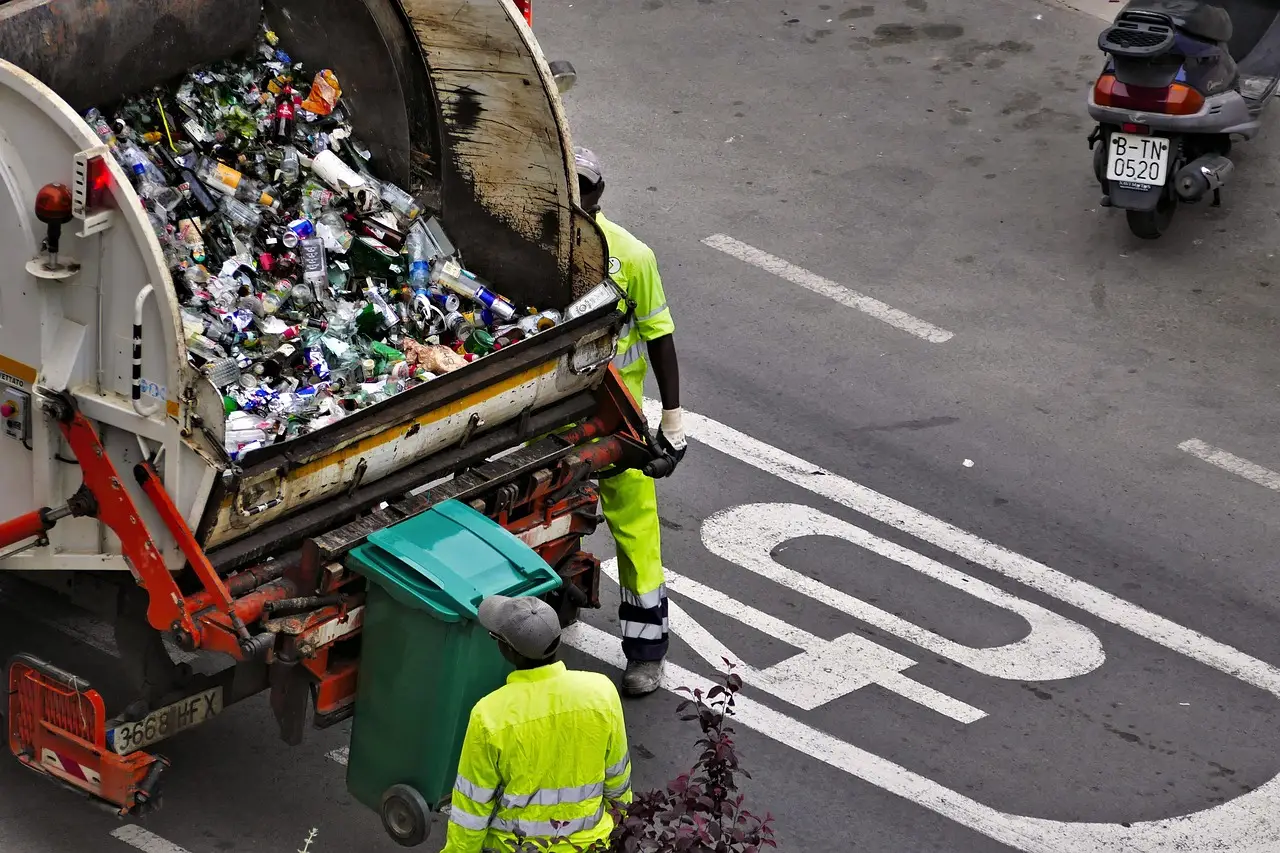
CU Boulder's recycling stream now moves on batteries. The University of Colorado Boulder has deployed its first battery-electric recycling collection truck, a vehicle that collects cardboard across campus and hauls recyclable material to the Boulder County Recycling Center — work previously done on diesel.
The number that matters to fleet managers: roughly 1,200 gallons of diesel per year come off the books. For context, that's about what 24 typical passenger cars burn annually, eliminated from a single route.
Who paid for it, and when?
The purchase didn't come entirely from campus coffers. Colorado's Clean Fleet Vehicle and Technology grant program awarded CU Boulder $208,500 toward the vehicle. Facilities Management signed the purchase order in April 2025, and the truck arrived on campus earlier this year.
It's the first battery-electric truck in Facilities Management's solid waste and recycling collection fleet — which means every remaining collection vehicle in that fleet still runs on conventional fuel. This is one unit, not a fleet conversion.
What does the truck actually do?
The assignments haven't changed, only the drivetrain. The truck:
- collects cardboard across the CU Boulder campus
- transports recyclable materials to the Boulder County Recycling Center
- supports general campus recycling operations
Outwardly, it looks like the other collection vehicles already serving campus. The difference is under the hood: no diesel fuel at all.
Safety upgrades ride along
The electrification came with an operational change worth noting for anyone who specs collection vehicles. The truck carries enhanced safety features, including audible alerts when turning or backing up — the maneuvers that account for the tightest interactions between collection trucks and pedestrians on a working campus.
The university is also inviting the community to help name the vehicle and make it, in the campus phrasing, part of the Buff family — standard practice for a first-of-its-kind asset that will be visible on campus routes daily.
What this changes, and what to watch
For practitioners, this is a working data point in a category that's still short on them: a battery-electric truck doing daily collection duty, on real routes, with a real tonnage obligation to the Boulder County Recycling Center. Campus collection routes — predictable, stop-start, return-to-base daily — are among the friendliest duty cycles for electrification, which is why universities keep showing up early in this transition.
The grant structure is the other signal. Colorado's Clean Fleet Vehicle and Technology program put $208,500 of state money behind a single collection vehicle, and the purchase order moved in April 2025 with the truck in service the same year. That's a fast grant-to-route timeline by public-fleet standards, and a template other campuses and municipal fleets can copy.
What happens next is measured in diesel gallons and follow-on orders. If this truck holds up through a full year of cardboard runs to the Boulder County Recycling Center, expect the conversation at Facilities Management to shift from whether to electrify to how many — and whether the state's grant program keeps funding the conversion.
via wasteadvantagemag.com (Source)
More from Elena Vasquez
Show full bio
Senior reporter covering technology and product news in Circular economy and the environmental industry at Circular Wire.
564 articles