E-Scrap & Battery Recycling
Digital Technology Positioned as Key to Africa's E-Waste Challenge
China Daily reporting positions digital technology as the decisive lever on Africa's e-waste stream, shifting the trade debate from collection volumes to traceability and vendor opportunity.
Waypoints
China Daily Global Edition has published reporting identifying digital technology as the key to tackling Africa's e-waste challenge
The framing centers traceability and digital processing tools rather than collection targets alone
Africa's e-waste stream combines domestic end-of-life devices with imported secondhand equipment
The informal sector currently handles a large share of the continent's e-waste processing
The next decisive milestone is which African jurisdictions mandate digital reporting for e-waste handlers
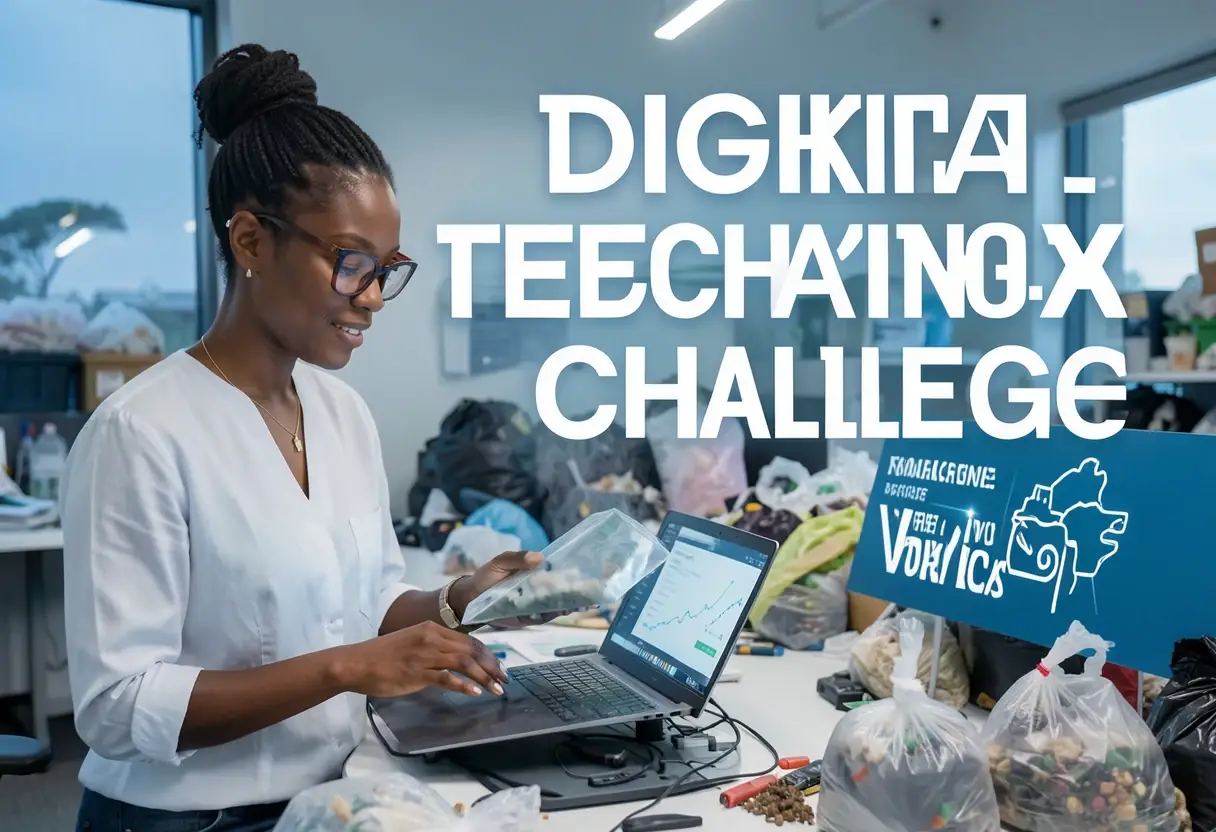
The industry's newest call on Africa's e-waste problem comes down to a single proposition: digital technology is the key lever for tackling the continent's mounting scrap electronics stream. That is the position laid out in recent reporting from China Daily's Global Edition, and it lands at a moment when recyclers, refurbishers and regulators across the region are deciding what infrastructure actually gets built.
For practitioners, the framing matters because it shifts the conversation from collection volumes to traceability. When a major international outlet with strong China-facing readership says digital tools are the answer, it signals where equipment suppliers, sorting-system vendors and takeback platform developers expect the next round of procurement to come from.
What does the claim actually rest on?
The China Daily piece frames Africa's e-waste challenge as a problem that digital systems — rather than manual, informal-sector handling alone — can address. The reporting positions technology as the connective tissue between collection, processing and material recovery across a continent where flows are growing and formal capacity remains uneven.
That tracks with what operators on the ground already know. African e-waste streams mix end-of-life consumer devices with imported secondhand equipment, and the sorting burden falls heavily on manual labor. Digital tools that can register, weigh and trace incoming material change the economics of that first mile — and that first mile is where most recoverable value is currently lost.
Why is this a trade story and not a policy essay?
Because the technology question decides who gets paid. If digital registration and tracking systems become the standard for African e-waste operations, suppliers of weighing-and-traceability software, ERP platforms for recyclers and pre-processing equipment gain a direct commercial opening.
It also changes the position of the informal sector, which handles a large share of the continent's e-waste today. Formal digital systems can either lock informal collectors out or plug them in through registration schemes — and which way that cuts depends on how governments and plant operators design the rollout.
For Chinese equipment and platform vendors in particular, the China Daily framing reads as a market signal. China's electronics manufacturers and recycling-machinery builders have been expanding across African markets, and e-waste tracking infrastructure is a natural adjacency.
What does the reporting change for operators?
Three practical takeaways for anyone running or supplying African e-waste capacity:
- Traceability is moving from nice-to-have to entry ticket. Digital registration of incoming tonnage is the foundation for both regulatory compliance and buyer confidence in recovered materials.
- The informal sector is the swing variable. Any digital system that excludes existing collectors shrinks the feedstock pool; systems that onboard them expand it.
- Equipment demand follows software. Once material is tracked digitally, operators can justify investment in better pre-processing and sorting hardware because they can measure yield.
None of this happens without tonnage moving through formal gates, and that remains the continent's core bottleneck — a point the reporting's framing implicitly acknowledges by putting technology, not collection targets, at the center.
What happens next?
The milestone to watch is which African jurisdictions move first on mandatory digital reporting for e-waste handlers — because that single regulatory step converts the China Daily thesis from commentary into procurement, and decides which vendors and operators capture the flow behind it.
via Google News: Battery recycling and e-waste (Source)
More from Elena Vasquez
Show full bio
Senior reporter covering technology and product news in Circular economy and the environmental industry at Circular Wire.
395 articles