Compliance & Policy
DOGE Cuts Stripped $468 Million From Tribal Energy and Climate Projects
DOGE cut $468 million from Indian Country, including a $20 million wind grant for diesel-dependent Kotzebue, Alaska. Brookings urges Congress to shield tribal funding.
Waypoints
DOGE eliminated $468 million from Indian Country; about half was for environmental and natural resources, 11% for agriculture.
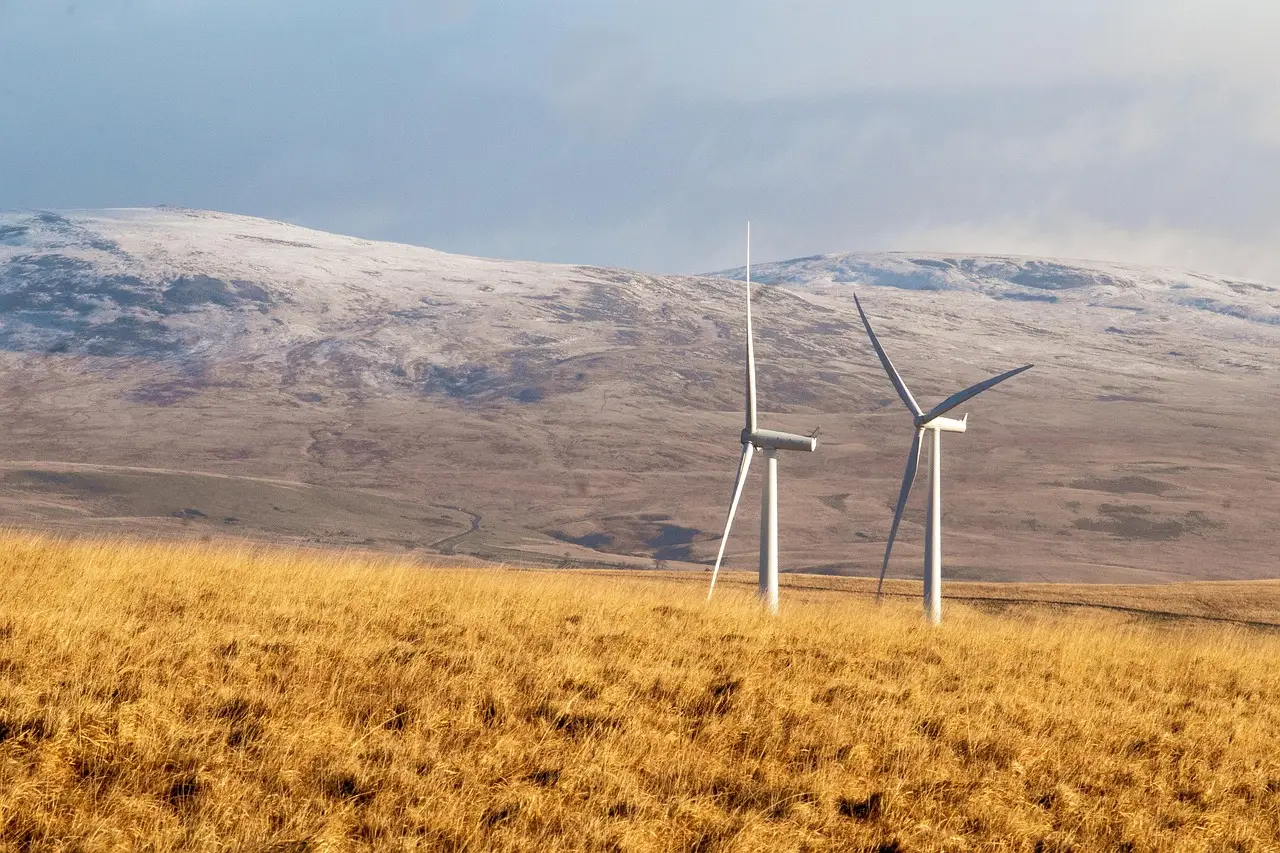
The Trump administration canceled a $20 million EPA wind grant for Kotzebue, Alaska in May 2025; the project remains paused.
Kotzebue relies on diesel for 75% of its power, and residents spend about 20% of income on it.
The entire $7 billion Solar for All program was cut, including a $25 million grant for 600 Hopi homes.
Brookings recommends legislation barring cancellation of tribal grants and requiring direct funding flows to tribes.
The Department of Government Efficiency eliminated $468 million in funding from Indian Country, roughly half of it earmarked for environmental and natural resource projects, according to two new reports from the Brookings Institution. Another 11% of the cuts targeted agriculture.
The cancellations hit renewable energy, climate resiliency planning, and jobs programs across tribal nations, stalling projects that had already been announced and, in some cases, awarded.
What did Kotzebue lose?
The single largest visible casualty is a $20 million EPA grant for a wind energy project in Kotzebue, a city of northwest Alaska accessible only by air and sea. The Trump administration canceled the grant in May 2025, and the project remains paused more than a year later.
The numbers behind the community's dependence explain the stakes. Kotzebue sits on a gravel spit in Kotzebue Sound, north of the Arctic Circle, with a three-month window each year to receive all the diesel fuel it will burn over the following twelve months. Diesel supplies 75% of the community's power. Residents spend about 20% of their income buying it — more than three times the average energy burden for low-income households nationwide.
Chad Nordlum, energy project manager for the Native Village of Kotzebue, said the $20 million award — part of a broader $150 million allocation for tribal infrastructure in Alaska announced in 2024 — would have cut diesel reliance to roughly 40% to 50%.
"We're pretty much at the mercy of world markets," Nordlum told Grist. "Right now, with the Iran war going on, the diesel prices are very high and we're locked in to much higher prices than we've had in the past. There's really nothing the community can do about diesel prices, but what we can do is produce our own energy."
Kotzebue is now waiting on politics while scaling down: Nordlum is developing a smaller solar project in the interim.
How big was the total pullback?
The Brookings reports map two distinct funding losses:
- DOGE cuts: $468 million eliminated, with about half allocated for environmental and natural resources and 11% for agriculture.
- The One Big Beautiful Bill Act: killed many of the funding streams created by the 2022 Inflation Reduction Act, dismantling programs tribes had already built plans around.
- Solar for All: the entire $7 billion program was cut, taking with it a $25 million grant that would have put solar panels on 600 Hopi Tribe homes.
Before the rollbacks, the Biden administration had directed over $700 million in climate, energy, and infrastructure funding to tribes, covering climate action plans, food systems analysis, and more. Brookings frames that post-pandemic surge as the true anomaly — not the cuts.
"The actions that the Trump administration is taking are particularly significant, but it's not totally out of trend with previous administrations," said Rob Maxim, a Mashpee Wampanoag fellow at Brookings Metro. "What we wanted to show was that actually this underinvestment is kind of the default for the U.S. rather than a blip."
Was the funding legally vulnerable?
Maxim argues no. He says funding for Indigenous communities rests on treaties and other federal agreements, not on race-based criteria.
"The funding that was flowing to Indian Country was not being done on the basis of race or DEI, and it was absolutely not illegal," Maxim said. "It was aimed at the promotion of tribal sovereignty and the well-being of tribal citizens and tribal communities, and so that is an obligation that the U.S. government maintains."
Glencora Haskins, senior research associate and applied research manager at Brookings Metro, said the review process that flagged the grants was superficial, with "tribal" being the most frequently flagged term. "I think that there was a very surface-level view of what a lot of these programs were doing, rather than any deep interrogation of the types of systemic infrastructure deficits that programs were trying to fix," she said.
The White House and the EPA did respond to requests for comment.
What fixes do the authors propose?
Brookings calls for three legislative changes:
- A federal bar on canceling grants and contracts for tribes.
- A statutory stipulation that all funding for Indigenous nations serves trust and treaty obligations, regardless of a program's stated purpose.
- A requirement that money flow directly to tribes rather than through Treasury reimbursement.
The need is acute: Native communities in Alaska and nationwide face increasingly frequent storms, wildfires, and other climate-driven disasters layered on decades of underbuilt infrastructure.
For Kotzebue, the milestone that decides what happens next is congressional action — or a political turn — that restores the $20 million wind award. Until then, Nordlum's fallback is modest solar. "Our main goals are energy security and economic development for the tribe, which is ultimately being able to invest in our own community," he said. "We have to get a handle on our energy prices and availability."
via energy.gov (Original)
More from Daniel Okafor
Show full bio
Correspondent covering companies, deals and strategy in Circular economy and the environmental industry at Circular Wire.
472 articles