Industrial Decarbonization
E.ON Opens Carbon Capture Study at Swedish Energy Site With Capsol
E.ON has begun a carbon capture feasibility study at a Swedish energy facility with Capsol Technologies, joining a Nordic utility cohort evaluating BECCS retrofits.
Waypoints
E.ON has opened a carbon capture feasibility study at an unnamed Swedish energy facility
Capsol Technologies is the engineering partner on the assessment
The specific site, project capacity, and capital cost have not been disclosed
The study is in an early exploration phase, not a final investment decision
Sweden targets net-zero greenhouse gas emissions by 2045, with negative emissions from BECCS expected to absorb residual emissions
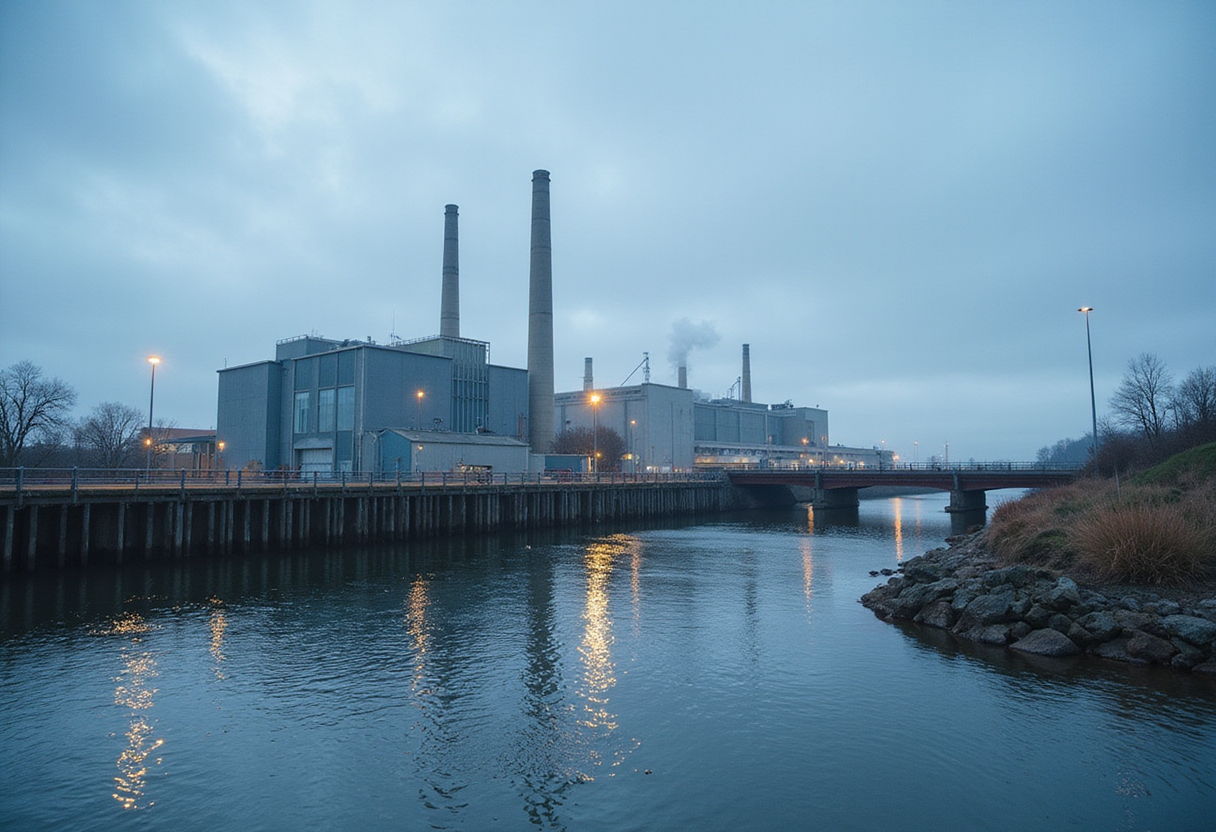
E.ON has begun a carbon capture feasibility study at one of its Swedish energy facilities, working with Oslo-based Capsol Technologies on the engineering work, according to Carbon Herald. The collaboration is in an early exploration phase, with neither party yet disclosing the specific site, project capacity, or capital envelope.
What is the scope of the engagement?
The two companies confirmed the study covers a Swedish energy facility under E.ON's ownership. The asset class, fuel mix, and flue gas profile have not been named. E.ON operates biomass-fired combined heat and power plants across southern and central Sweden as part of its district heating network, with biofuels supplying the bulk of municipal thermal output following a long-running phase-out of fossil fuels in the network.
The partnership stops short of a front-end engineering and design commitment. Capsol's role is to deliver a technical and commercial assessment that will inform any subsequent FEED award or final investment decision.
What does Capsol bring to the project?
Capsol Technologies licenses a hot potassium carbonate capture process marketed as a lower-energy alternative to amine-based scrubbing. The Norwegian company has built a backlog of pre-feasibility and FEED work at European energy-from-waste and biomass operators, placing it among the second tier of European capture technology suppliers alongside Mitsubishi Heavy Industries, Aker Carbon Capture, and Hitachi Zosen Inova.
The deal adds a top-five European utility to a Capsol reference list that has, until now, been dominated by municipal and waste-sector operators. A similar front-end study Capsol delivered to Dutch waste-to-energy operator AVR is moving toward a final investment decision at the Rotterdam-area facility in 2026.
Why does E.ON need a capture unit on a biomass plant?
Sweden's district heating network is largely decarbonised on the combustion side. Carbon capture and storage closes the loop, removing biogenic CO2 from flue gas and producing negative emissions when the CO2 is sequestered. The technology is one of the few pathways Sweden can use to hit its 2045 net-zero target for the residual emissions that decarbonised heat, transport, and power generation cannot eliminate.
The policy case for bioenergy carbon capture and storage, or BECCS, is built into Sweden's climate framework, which expects negative emissions to deliver the bulk of removals after 2030. The mechanism is also eligible for negative emission credits under the EU Carbon Removal Certification Framework once the regulation enters force.
Where will the captured CO2 go?
A separate offtake agreement with a transport and storage operator will be required before any E.ON-led project can move to a final investment decision. Stockholm Exergi has already signed a binding storage deal with Northern Lights, the CCS infrastructure joint venture based in Øygarden, Norway, for its 1.5 million tonne-per-year Värtaverket capture project scheduled to start up in 2028. The deal booked the bulk of Northern Lights' phase-two capacity and is the benchmark for what Nordic operators can expect on the offtake side.
Competing demand from Danish, Norwegian, and Finnish projects is expected to tighten the market for CO2 storage in the North Sea basin by the end of the decade. An E.ON entry into the storage market will add to that pressure unless new sequestration capacity comes online in parallel.
What happens next?
The next milestones for the partnership are a site announcement, a published feasibility study, and a front-end engineering and design award. A separate board approval, CO2 offtake agreement, and permit from Sweden's Environmental Protection Agency sit between any FEED award and a final investment decision. The Environmental Protection Agency's review of installations above the Industrial Emissions Directive thresholds typically runs 12 to 18 months from a complete application.
A construction start before 2027 is unlikely. The deadline that matters most is Sweden's 2030 negative emissions delivery target under the national climate policy framework, which will determine whether E.ON's study converts into a shovel-ready project or remains a reference point in the utility's broader decarbonisation pipeline.
via Google News: Industrial decarbonization (Source)
More from Olivia Hart
Show full bio
Staff writer covering marketplaces and e-commerce at Circular Wire.
257 articles