E-Scrap & Battery Recycling
E-waste World Expo Announces US Expansion of Trade Show Format
E-waste World Expo is expanding to the United States, bringing the European e-scrap trade show format to North American processors as the sector's capacity and compliance picture shifts.
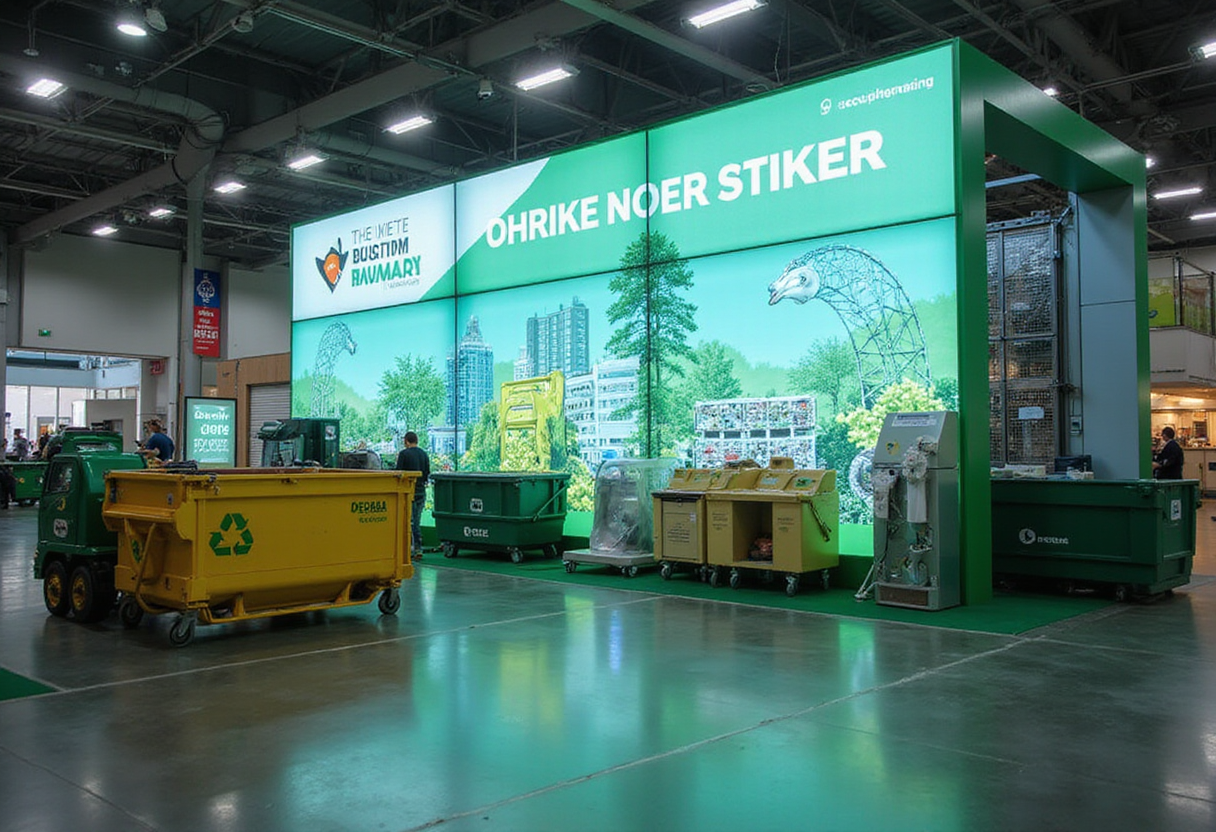
Waypoints
E-waste World Expo, an electronics recycling trade show brand, has announced expansion to the United States.
No venue, date, or exhibitor details for the US edition have been published yet; the project is announced rather than built out.
The expansion targets the North American e-scrap sector during a period of capacity investment and tightening state-level EPR and battery rules.
E-waste World Expo, the trade show brand serving the electronics recycling and critical raw materials sector, is expanding to the United States, Recycling International reports. The move takes a format built around the European e-scrap processing community into the largest single market for electronics consumption and end-of-life electronics generation outside Asia.
The organizers have not yet published a venue, date, or exhibitor floor plan for the US edition in the material available, so operators should treat this as an announced project rather than a booked event with contracted capacity. The distinction matters for processors deciding budget cycles: a US show would give American and Canadian e-scrap handlers a domestic venue for equipment sourcing — shredding lines, sensor-based sorting, black mass processing, and battery recycling systems — without sending staff to the existing European expo.
The expansion arrives as the North American electronics recycling industry works through a period of capacity realignment. Major processors have been adding shredding and metals recovery capacity while smaller operators face compliance costs from state-level extended producer responsibility programs and tightening rules on battery-containing devices. A dedicated trade event on US soil would consolidate supplier access for that buyer base, which currently splits attention between general waste and recycling expos and European shows.
For equipment makers and sorting technology suppliers, the show's arrival signals a bet that US e-scrap capital expenditure justifies a dedicated exhibition. The sector's investment case rests on documented streams: printed circuit boards, ferrous and aluminum fractions, and the lithium-ion battery stream that keeps forcing process retrofits across the industry. Exhibitor demand around those material streams will determine whether the US edition reaches a scale comparable to its European parent or remains a regional satellite.
The announcement also lands amid regulatory movement on both sides of the Atlantic. The European Union's revised Waste Electrical and Electronic Equipment framework and its battery regulation have already reshaped collection targets and recycled-content requirements for European handlers, and any US show will arrive as federal agencies and state regulators debate critical minerals recovery and right-to-repair rules that directly affect feedstock volumes. Trade events tied to a single material stream tend to thrive when regulation is actively rewriting the economics of that stream — a condition currently met in e-scrap.
What happens next depends on the details the organizers release: the host city, the launch date, and the first exhibitor list. Those filings will show whether the expansion targets the full electronics recycling value chain or narrows to high-value segments such as circuit board processing and battery materials recovery. Operators and suppliers planning 2025–2026 procurement cycles should watch for the opening of exhibitor registration, the first concrete signal of committed floor space behind the announcement.
via Google News: Battery recycling and e-waste (Source)
More from Rebecca Stone
Show full bio
News editor covering consumer brands and retail at Circular Wire.
125 articles