Compliance & Policy
EPA begins hazardous waste removal at Cleveland site
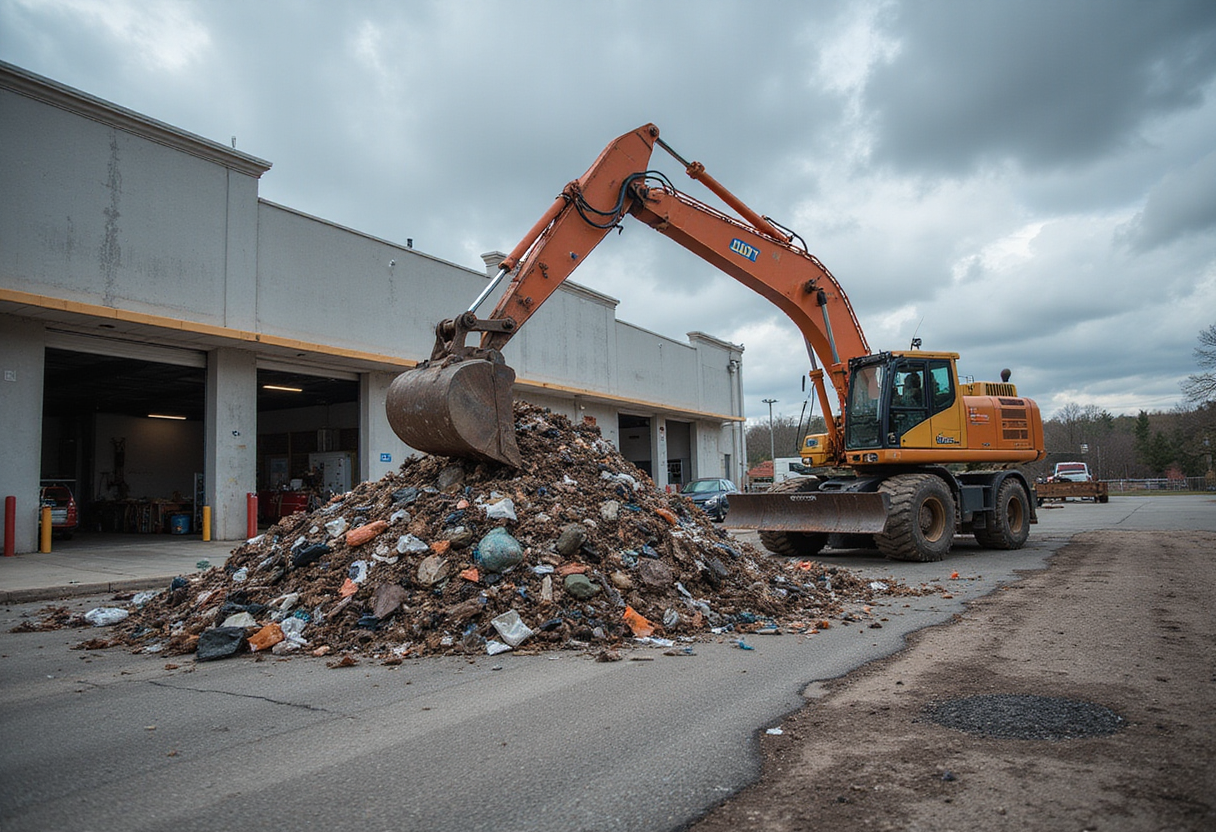
The Environmental Protection Agency has begun removing hazardous waste from an undisclosed Cleveland location, per Spectrum News. Site name, operator, and material volumes remain unpublished as federal responders move on the property.
Waypoints
EPA has begun removing hazardous waste from a Cleveland location, per Spectrum News
The site name, operator, and estimated tonnage have not been disclosed
Federal action runs under RCRA (40 CFR Part 262) and CERCLA authorities
Manifest paperwork under 40 CFR Part 262 governs every shipment to a Subtitle C facility
Midwest hazardous-waste disposal rates typically run in the low to mid-hundreds of dollars per ton
The U.S. Environmental Protection Agency has begun removing hazardous waste from a Cleveland location, according to a Spectrum News report. The agency has not yet named the site, the operator, or the estimated volume of material on the property.
Federal involvement puts the work under the agency's hazardous-waste response authorities. Under the Resource Conservation and Recovery Act, generators, transporters, and treatment, storage, and disposal facilities operate under a cradle-to-grave manifest system codified at 40 CFR Part 262. CERCLA gives the EPA the power to compel removal where hazardous substances pose an actual or threatened release.
The agency's first public moves on any new site typically include a removal assessment, a National Contingency Plan scoring, and the selection of an on-scene coordinator. That coordinator decides whether the EPA runs the cleanup itself, oversees a responsible party's contractors, or hands the response to the state.
What has EPA confirmed?
Spectrum News reported three concrete facts:
- Removal activity has begun
- The site is in Cleveland
- The regulated stream is hazardous waste
What remains undisclosed?
The Spectrum News report does not name:
- The address or facility name
- The operator or potentially responsible party
- The waste codes or contaminant profile
- The estimated tonnage in place
- The removal contractor or contract value
- A projected completion date
Why does this case fit Cleveland's cleanup history?
Cuyahoga County has hosted federal and state cleanups across its industrial belt since the 1980s. Former steel, chemical, and metal-finishing operations routinely produce F-listed wastes for ignitability and toxicity, K-listed source-specific industrial waste, and characteristic wastes under 40 CFR 261. A new federal action adds one more stream to that portfolio and pushes tonnage into permitted treatment and disposal channels across the Midwest.
How does the waste stream actually move?
Manifest paperwork controls every load leaving the property. Each shipment leaves under a generator signature and arrives at a RCRA Subtitle C facility licensed to handle the specific waste codes identified during site characterization. The receiving treatment, storage, and disposal facility applies the treatment standard — typically combustion, stabilization, or amalgamation — then ships residuals to a permitted landfill or injection well.
Generators must reconcile each manifest within 35 days of the shipment leaving the site. That paper trail becomes the public record once the EPA posts it to the administrative record file.
How will pricing read once the waste codes are public?
Disposal markets price by waste code, container size, and generator profile. Posted Midwest rates typically fall in the low to mid-hundreds of dollars per ton for organic liquids and can run higher for reactive or mercury-bearing streams. Hard-to-manage codes such as dioxin-bearing residues or reactive metals face surcharges that exceed posted base rates.
What decides what happens next?
The next milestone will be an EPA site update — usually a community fact sheet, a Region 5 press release, or an administrative record entry — naming the location, setting a removal schedule, and identifying the receiving TSDF. Until that drops, the trade tracks this case as an open logistics question for Cuyahoga County's hazardous-waste network and the regional roster of permitted Subtitle C facilities.
via Google News: Environmental compliance and EPA (Source)
More from Elena Vasquez
Show full bio
Senior reporter covering media and advertising at Circular Wire.
272 articles