Waste Management Business
EPA Cleanup Underway After Industrial Fire in South Haven
No injuries reported in a South Haven, Michigan industrial fire, with EPA personnel now on scene leading cleanup. The facility's identity and material streams remain undisclosed.
Waypoints
An industrial fire occurred in South Haven, Michigan, with no injuries reported.
U.S. EPA personnel are on scene conducting cleanup operations.
The facility's name, fire cause, and material streams involved have not been disclosed in reporting.
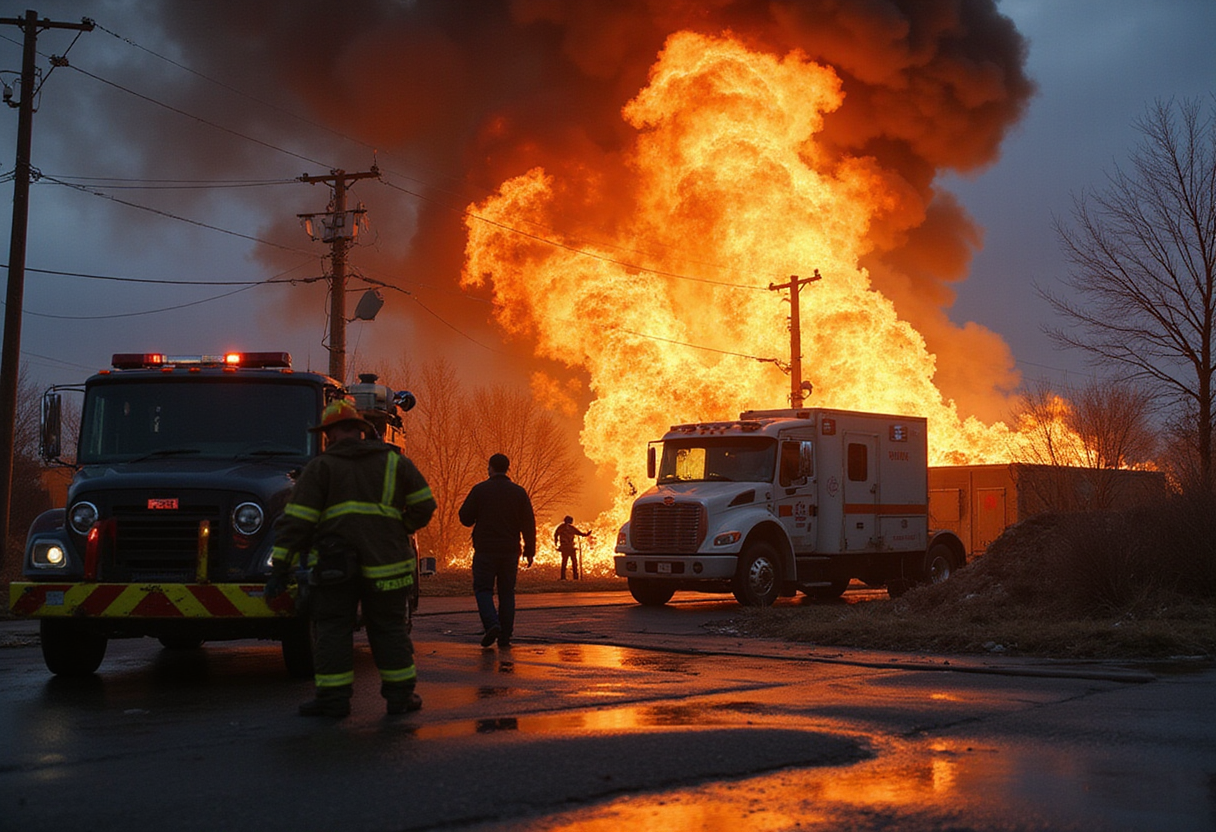
An industrial fire in South Haven, Michigan, drew U.S. Environmental Protection Agency responders to the scene for cleanup operations, according to a report by WWMT, the CBS affiliate serving West Michigan. No injuries occurred in the incident.
The EPA presence places the site under federal environmental coordination rather than routine municipal fire response. For operators in the industrial and materials-handling sectors, that distinction matters. When the EPA dispatches personnel to a fire scene, the follow-on work typically shifts from suppression to contamination control: assessing runoff, characterizing burned materials, and determining what residual streams require managed disposal.
WWMT's report confirms the basic facts of the event — an industrial facility fire, zero injuries, and EPA personnel engaged in cleanup at the site. The outlet has not specified the facility's name, the material streams involved, or the tonnage of debris the cleanup will generate. Those gaps will shape how the incident is tracked: without a named operator or a disclosed commodity stream, the remediation scope remains an open variable.
Why EPA Involvement Signals Scale
Local fire departments routinely handle industrial fires without federal support. EPA activation generally follows when a responding agency or state regulator identifies potential hazardous material exposure — contaminated water from suppression efforts, chemical residues, or debris that cannot go to a standard landfill without characterization.
That process can extend a single fire event into a multi-week remediation project. Site cleanup under EPA oversight typically involves segregating burned material, sampling soil and nearby drainage, and contracting disposal routes for any waste classified as hazardous. Each step carries a cost and a paper trail, and each produces records that trade press and community monitors can track.
For the scrap and recycling industry, fire incidents at industrial sites carry a second layer of consequence. Facilities storing combustible materials — processed metals, plastics, paper stock, or chemical feedstocks — face heightened scrutiny from insurers and fire marshals after any notable blaze, regardless of jurisdiction. A confirmed EPA cleanup in a Michigan industrial zone will feed into that broader risk calculus for regional operators.
What Remains Unknown
The incident report leaves several operational questions unanswered. WWMT does not identify the company operating the affected facility. The report does not state the fire's cause, the duration of suppression operations, or the volume of water used — a figure that often determines whether runoff containment becomes the dominant cleanup cost. Nor does it specify whether the site holds permits under Michigan's environmental framework that would govern remediation standards.
No displacement of surrounding residents or businesses appears in the reporting, and the absence of injuries suggests the fire occurred without personnel in immediate danger. The extent of structural damage to the facility has not been disclosed.
What to Watch
The next verifiable milestones will come from EPA and Michigan Department of Environment, Great Lakes, and Energy channels. An EPA removal action, if one is formally initiated, generates a public administrative record: the assigned removal site, cost estimates, and cleanup timelines. County and municipal records may likewise show whether South Haven officials have cited the facility or ordered corrective action.
Watch for three developments: the EPA's site characterization and any published action memo, the identification of the operator and its insurer-driven remediation contractor, and the eventual determination of where burned material and contaminated debris are sent for disposal. Those filings, not the fire itself, will define the financial and regulatory footprint of this incident for the facility owner and the local waste-management chain.
via Google News: Environmental compliance and EPA (Source)
More from Elena Vasquez
Show full bio
Senior reporter covering media and advertising at Circular Wire.
114 articles