Waste Management Business
EPA Commits $93.4M to California Superfund Cleanup
The EPA has unveiled a $93.4 million plan to remove dangerous chemicals from a California Superfund site, a commitment that opens a multi-year remediation pipeline.
Waypoints
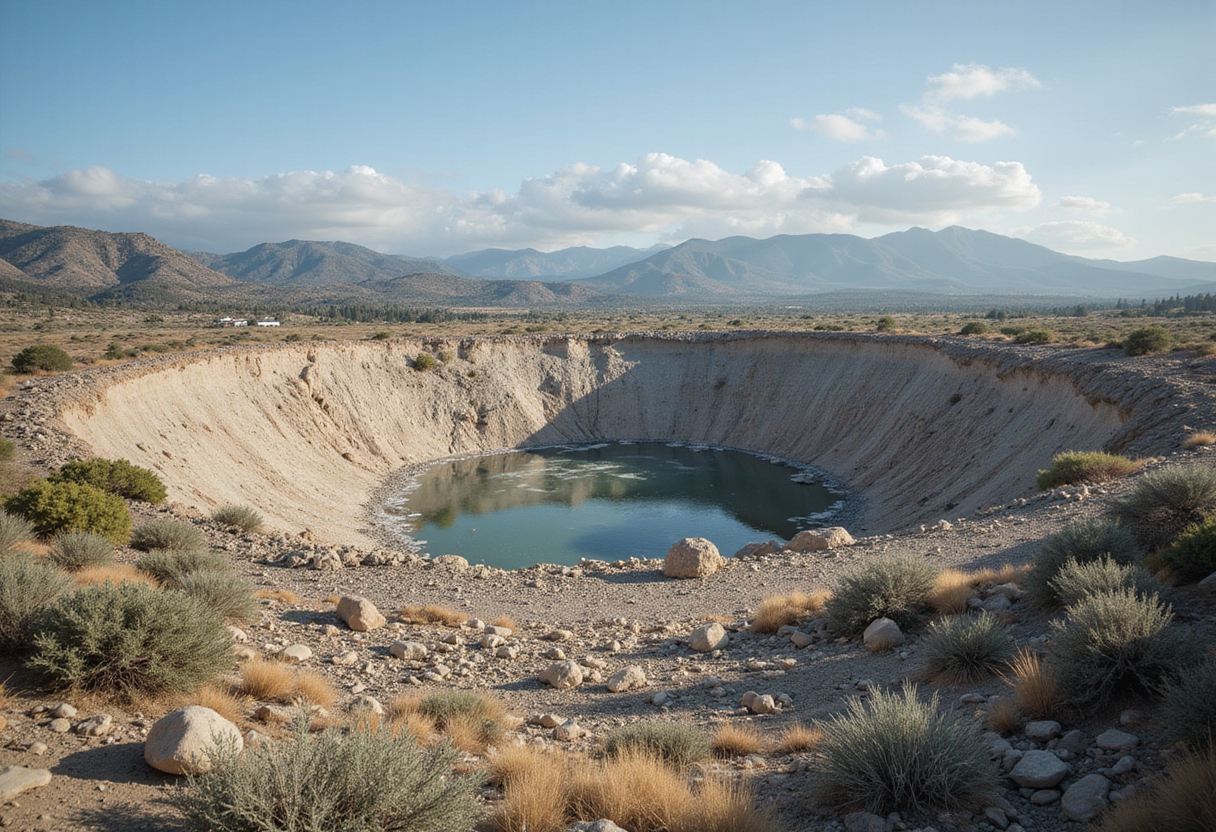
EPA announced a $93.4 million cleanup plan for a California Superfund site (AP)
The plan targets removal of dangerous chemicals at the contaminated property
Cleanup proceeds under CERCLA, with contract award and fieldwork start as next milestones
The U.S. Environmental Protection Agency has announced a $93.4 million remediation plan to remove dangerous chemicals from a Superfund site in California, according to an Associated Press report.
The figure anchors one of the larger federal cleanup commitments announced for a California site in recent memory. Under the federal Superfund law — the Comprehensive Environmental Response, Compensation and Liability Act, or CERCLA — the EPA selects and funds remedial actions at sites where hazardous substance contamination poses long-term risks to health and the environment. The $93.4 million allocation announced this week covers the planned work to rid the site of its chemical inventory: contaminated soils, groundwater, or both, depending on the final remedy design.
The announcement matters to the hazardous waste and remediation sector for a straightforward reason. Superfund cleanups of this scale translate into multi-year contracts for excavation, treatment, disposal and long-term monitoring — work typically executed by specialized environmental engineering firms under federal procurement. A $93.4 million price tag signals a remediation program measured in years, not months, and a waste stream that will move through licensed treatment and disposal facilities as the work proceeds.
California carries one of the heaviest Superfund burdens in the country. The state hosts well over a hundred sites on the National Priorities List, the EPA's register of the most contaminated locations in the United States, and chemical contamination — solvents, metals, pesticides and petroleum compounds — drives the majority of remedial actions there. Each new cleanup plan adds to a pipeline of federally funded remediation work that contractors, laboratories and disposal facility operators track closely.
The EPA's plan follows the standard CERCLA sequence. The agency has already completed site investigation and feasibility studies, identified the contaminants of concern, and selected a remedy it says will eliminate the dangerous chemicals at the property. That selection is the point at which dollar figures become attached: the $93.4 million represents the agency's estimate of what full implementation will cost, a commitment recorded in the decision documents that govern the project.
For the surrounding jurisdiction, the stakes run beyond the fence line. Superfund designations suppress property values, complicate redevelopment and, in some cases, restrict groundwater use until remediation is complete. A funded cleanup plan with a fixed federal allocation gives local agencies and developers a concrete basis for land-use planning — the point at which the site stops being a liability on paper and starts becoming a scheduled construction project.
Funding for the work draws on the Superfund trust fund and cost-recovery authorities strengthened by the 2021 infrastructure law, which reinstituted the excise taxes on petroleum and chemical manufacturers that feed federal remediation accounts. Those revenue streams have allowed the EPA to accelerate work at sites where remediation had stalled for lack of money, and the California announcement fits that pattern of renewed federal spending capacity.
What decides what happens next is administrative, not technical. The cleanup plan now moves into implementation scheduling — contract award, remedial design, and the start of fieldwork — with the EPA's decision documents setting the performance standards the remedy must meet. Stakeholders will watch for the issuance of the remedial action contract and the first mobilization on site, the milestones that convert a $93.4 million announcement into removed chemicals and, eventually, a site returned to productive use.
via Google News: Environmental compliance and EPA (Source)
More from Rebecca Stone
Show full bio
News editor covering consumer brands and retail at Circular Wire.
125 articles