Compliance & Policy
EPA launches first PFAS technology strategy with three pillars
EPA’s first agency-wide PFAS TECH strategy targets treatment research, field pilots and practical tools, with STAR and SBIR grant funding planned for scalable PFAS removal.
Waypoints
Oct. 26, 2026: EPA launched its first agency-wide PFAS TECH strategy.
3 priorities: research and development, pilot-scale demonstrations and practical implementation.
2 grant programs: Science to Achieve Results and Small Business Innovation Research.
4 field settings: Superfund sites, military facilities, wastewater plants and drinking water systems.
2 named methods: foam fractionation and supercritical water oxidation.
By Grace Kim
On October 26, 2026, the U.S. Environmental Protection Agency launched its first agency-wide PFAS Technology, Evaluation, Coordination and Harmonization strategy, built around three goals: accelerate research, prove technology in the field and turn results into tools for communities.
At an event in Commerce City, Colorado, EPA Administrator Lee Zeldin said:
“The Trump EPA is laser-focused on making America healthy again by developing real and tangible agency-wide strategies to protect Americans from exposure to PFAS.”
“Technology innovation is essential to accelerating our efforts to address these contaminants, and EPA’s new PFAS TECH strategy will advance scientific discovery, demonstrate the real-world feasibility of advanced technologies, and help reduce PFAS in the environment.”
The agency framed the program as cooperative federalism. It will work with federal partners, states, local officials, private businesses, universities, water systems, industry associations and technical-assistance providers.
Three operating priorities
- Power research and development: EPA plans to accelerate new PFAS treatment and destruction technologies through funding, new partnerships and support for early-stage innovation.
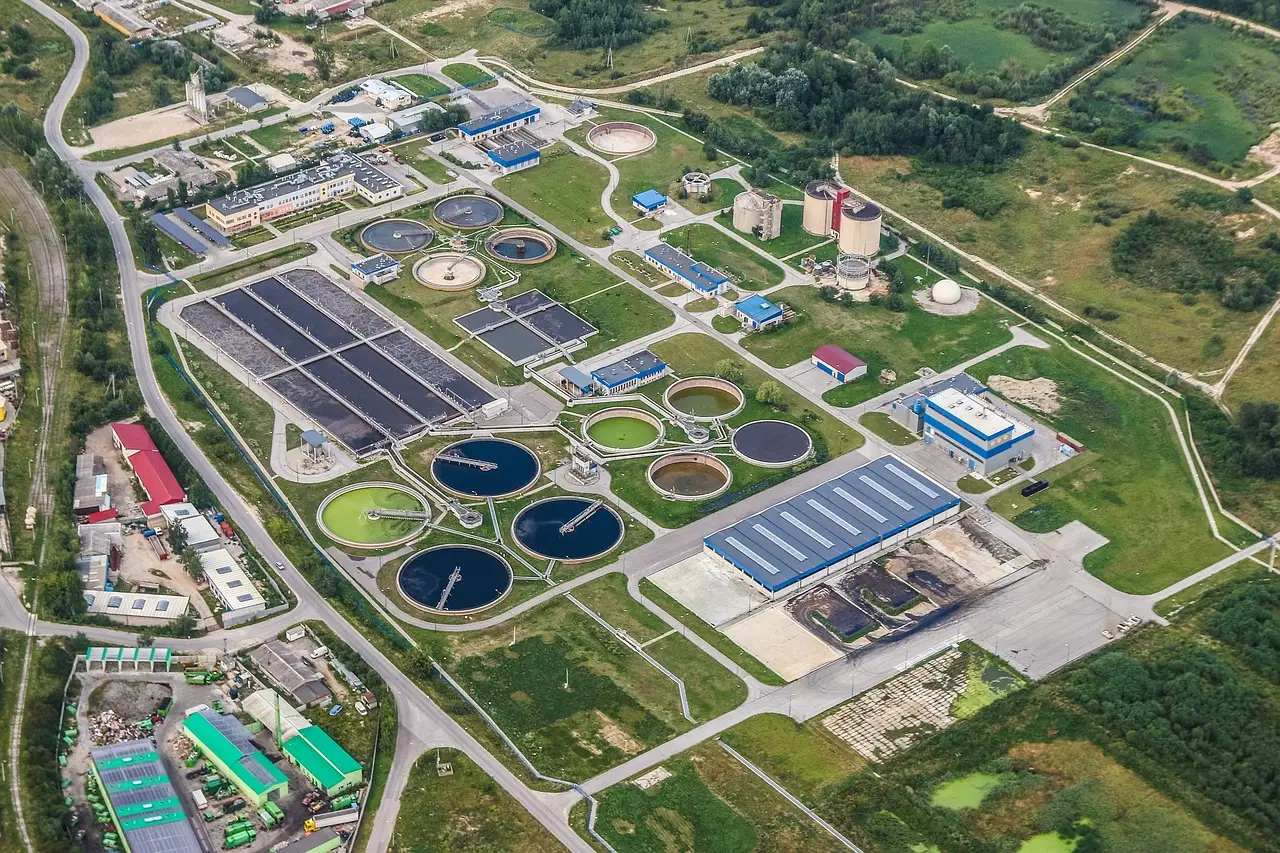
- Demonstrate performance at pilot scale: Projects at Superfund sites, military facilities, wastewater treatment plants and drinking water systems will test methods under real conditions, reduce technical risk and assess scalability.
- Translate results into practical action: EPA will create user-friendly guidance, launch the Break the Bond Navigator, update technology information and help water systems obtain funding and technical assistance.
The strategy gives particular attention to foam fractionation for removing PFAS from groundwater and supercritical water oxidation as an emerging treatment approach. EPA also listed other treatment methods for development but did not rank them by performance or deployment readiness.
EPA PFAS Lead and Office of Water Assistant Administrator Jess Kramer said:
“Partnerships are the key to unlocking innovation and next-generation technologies. To that end, EPA’s Office of Water is actively pursuing public-private partnerships to promote research, development, and scalable water treatment technologies for PFAS removal.”
“These partnerships will accelerate technology breakthroughs to reduce PFAS in water while also reducing the cost of treatment to save money.”
Her office is therefore pursuing a partnership model intended to move research into treatment systems while lowering operating costs. The strategy calls for technologies to be tested in real-world scenarios so promising methods can be scaled to community needs.
Funding and field evidence
EPA intends to issue research funding for PFAS destruction through two grant programs: Science to Achieve Results, or STAR, and Small Business Innovation Research, or SBIR. The agency did not announce an award amount, application deadline or number of grants during the launch.
Teresa Booeshaghi, associate administrator for the Office of Applied Science and Environmental Solutions, said EPA is prioritizing research whose science meets a gold standard and applies directly to local needs. She said one study is conducting full-scale pilot tests to optimize drinking-water treatment methods being deployed across the country.
Hazardous-waste cleanup sites managed by EPA project managers are already addressing PFAS contamination. Steven Cook, principal deputy assistant administrator for the Office of Land and Emergency Management, said those sites can support advances in sampling and remediation technology.
Cook said ongoing pilots across multiple regions include foam fractionation for PFAS removal from groundwater. Other pilots are evaluating incremental sampling, an approach that could drastically reduce sampling costs.
What does this change for water systems?
For water-system operators, PFAS TECH provides a route to EPA-backed demonstrations, technical assistance and potential research funding. The launch does not create a new treatment mandate or set performance requirements for drinking-water and wastewater systems.
EPA will provide user-friendly guidance, updated technology information and the Break the Bond Navigator while helping systems access support. Kramer said partnerships will pursue both PFAS removal and lower treatment costs, although the announcement did not identify which systems qualify for pilots or assistance.
The agency directs stakeholders to its PFAS TECH page to learn more or seek involvement. EPA will also use pilot projects to show communities which cleanup options perform reliably and can operate at larger scales.
The next milestone
EPA announced no grant amount, application deadline, treatment threshold or compliance date at the launch. The decisive next milestones are the first awards under STAR and SBIR and the performance, cost and scalability results from pilots at Superfund, military, wastewater-treatment and drinking-water facilities.
Those results will determine whether foam fractionation, supercritical water oxidation and other emerging approaches can move from proposed treatment methods to demonstrated options for communities addressing PFAS contamination.
via epa.gov (Original)
More from Grace Kim
Show full bio
Market editor covering money, funding and market shifts around Circular economy and the environmental industry at Circular Wire.
499 articles