Compliance & Policy
EPA methane rollback could exempt low-producing wells nationwide
EPA’s proposed methane rollback could exempt low-producing Pennsylvania well sites, responsible for 1% of output but nearly half of methane emissions, as states prepare tighter rules.
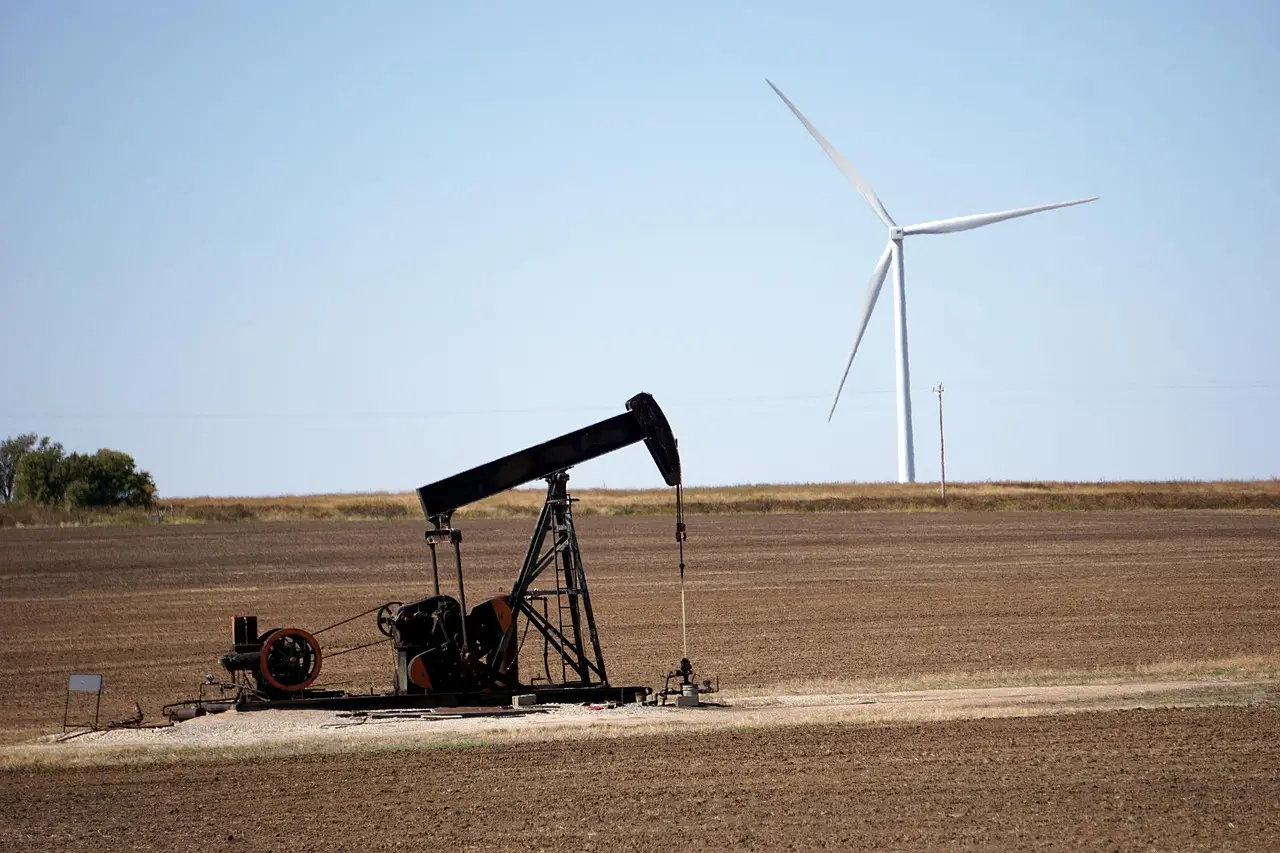
Waypoints
EPA finalized its first methane rule for new and existing oil and gas sources in 2024, then delayed implementation in March 2025.
Nationwide, low-producing sites produce about 5% of output but account for nearly 60% of methane emissions.
Pennsylvania’s low-producing sites produce 1% of output and drive nearly half of state methane emissions.
State plans were due in January 2027; Pennsylvania’s EQB review is scheduled for the second quarter of 2027.
About 72 corporations nationwide own at least 1,000 well sites each.
EPA’s proposed methane rollback could exempt low-producing oil and gas wells from inspections at sites producing 1% of Pennsylvania’s output but driving nearly half of its methane emissions, Environmental Defense Fund regulatory manager John Rutecki said.
At the annual New Mexico Oil and Gas Association meeting, EPA Administrator Lee Zeldin said the agency would loosen Biden-era methane regulations. Rutecki described the announcement as a preview, not a final rule, covering exceptions for low-producing or marginal wells, repeal of the super-emitter response program and changes to capture and control equipment.
EPA’s draft rules have not been published. The Marcellus Shale Coalition, a gas-industry trade group, said it will withhold formal comments until it reviews the text, leaving the scope of exemptions and implementation details unsettled.
What does EPA’s 2024 methane rule cover?
EPA finalized the first federal rule addressing methane from new and existing oil and gas sources in 2024, then delayed implementation in March 2025. The OOOOb requirements for new sources now apply; OOOOc, which covers existing sources, awaits state plans due in January 2027.
Rutecki said the latest preview did not say whether that deadline would move again. Until a federal standard takes effect for existing sources, operators there remain subject to a patchwork of state requirements rather than one national rule.
Why does methane pollution matter?
Methane, the main component of natural gas and a powerful greenhouse gas, has 80 times the short-term warming potency of carbon dioxide, Rutecki said. He called controlling it one of the fastest and easiest ways to address current warming.
Rutecki characterized the rollback as a backward step that would increase methane pollution, climate damage and public-health exposure near production. He linked releases at well sites with smog-forming volatile organic compounds and carcinogenic hazardous air pollutants such as benzene, with effects on general air quality.
He cited public-health research showing harm within a half-mile of production and said about one million Pennsylvanians live within that distance of oil and gas operations.
What is the business case for capture?
Rutecki said: “This is about a waste of an American energy resource.” Methane is a saleable product, he said, and capture and beneficial reuse can recover gas, reduce company losses and supply lower-emission energy in the United States and Europe, including associated gas from oil drilling.
A uniform federal rule would also give operators one compliance baseline instead of different state requirements, Rutecki said. He noted that many companies already deploy leak-control technology because they lose product when methane escapes, even as energy prices rise.
Can states move faster than EPA?
Colorado has regulated oil and gas methane under state authority since about 2014, roughly a decade ahead of EPA’s 2024 rule. Rutecki said its standards closely track the federal requirements and probably exceed them. He described EPA’s rule as a product of state and stakeholder work designed to operate across the country.
Rutecki cited year-over-year production growth in Colorado and New Mexico to argue that tighter methane controls did not prevent industry expansion. He said New Mexico should adopt comparable standards in December, while Pennsylvania proposed two rulemakings based on state authority.
He praised Governor Shapiro for continuing state action as the federal government retreats, but said details of Pennsylvania’s rules remain unsettled. The stated purpose of Pennsylvania’s process is to work toward the federal requirements.
Rutecki said Pennsylvania should include leak detection and repair standards at all well sites, but the early-stage rulemaking has not settled the details.
Why do low-producing wells dominate emissions?
Rutecki’s figures show why the proposed exemption could have an outsized effect:
- Nationwide, low-producing sites produce about 5% of output but account for almost 60% of methane emissions from new and existing sources.
- In Pennsylvania, low-producing sites produce 1% of output but drive nearly half of the state’s methane emissions.
A small share of production can carry a large emissions burden when many wells each leak at low rates. Exempting low-producing sites from inspections would remove the mechanism for finding those leaks, even though EPA’s existing-source requirements for such sites have not taken effect.
What changes at well sites?
Pennsylvania should also remove intentionally polluting equipment, Rutecki said. Gas-driven pneumatic devices once vented natural gas to relieve pressure; air-driven replacements do not. He said EQT, Pennsylvania’s largest and the nation’s largest natural gas producer, had already replaced all of its pneumatic units ahead of anticipated rules because the company was losing saleable gas.
For large release events, the federal super-emitter program uses satellites to detect unusually large methane plumes and track the cloud as it circles Earth. Rutecki said Pennsylvania should retain the program so regulators and operators can identify major problems and respond, rather than relying only on inspections at individual sites.
He rejected a blanket exemption for low-producing wells. About 72 corporations across the country own at least 1,000 well sites each and have the capital to repair leaks, Rutecki said, while smaller operators still need workable rules that address every part of the supply chain.
What happens next?
The Marcellus Shale Coalition said emissions rules must provide “a reasonable and cost-effective pathway to compliance.” That condition will matter when EPA publishes the draft, because the trade group plans to review the detailed requirements before taking a formal position.
EPA set January 2027 as the deadline for state plans covering existing sources, and the Pennsylvania Environmental Quality Board is scheduled to consider the state methane rules in the second quarter of 2027. Pennsylvania’s second-quarter 2027 action will set the next binding state decision on leak inspections, super-emitter detection and equipment standards while EPA finalizes its rollback.
via Google News: Environmental compliance and EPA (Source)
More from Rebecca Stone
Show full bio
News editor covering companies, deals and strategy in Circular economy and the environmental industry at Circular Wire.
456 articles