Plastics & Chemical Recycling
EPA Officials Tour Eastman's Methanolysis Plant in Kingsport
Two EPA officials toured Eastman Chemical's methanolysis plant in Kingsport, Tennessee, signaling continued agency interest in chemical recycling of plastics.
Waypoints
Two EPA officials recently toured Eastman Chemical Co.'s methanolysis plant in Kingsport, Tennessee.
EPA continues to show interest in chemical recycling of plastics, according to Plastics News.
The Kingsport site is the first of Eastman's planned investments in chemical recycling.
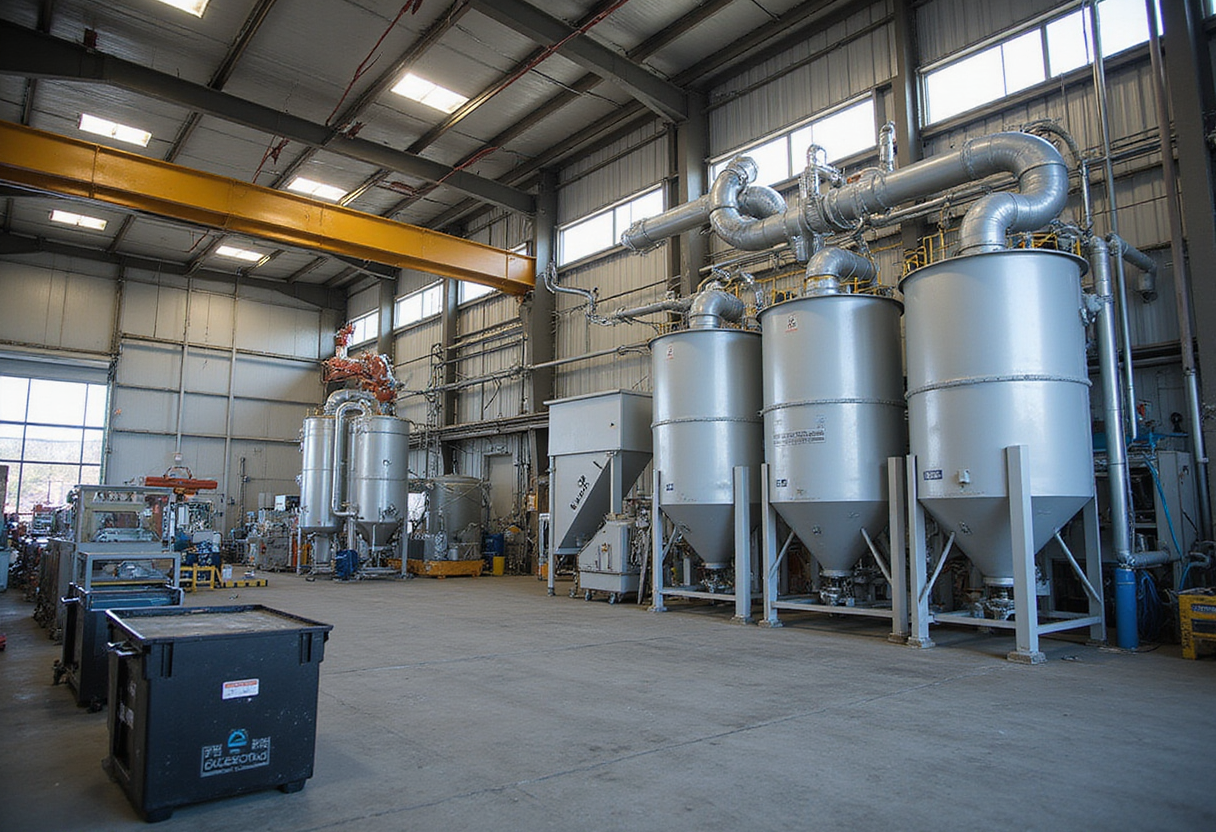
Two officials from the U.S. Environmental Protection Agency recently toured Eastman Chemical Co.'s methanolysis plant in Kingsport, Tennessee, taking a first-hand look at operations at a facility the company has positioned as the opening move in a broader chemical recycling build-out.
The visit matters less for any single announcement than for what it signals. EPA, the regulator whose treatment of advanced recycling technologies could shape the sector's economics, continues to show sustained interest in chemical recycling of plastics. Agency personnel walking a commercial-scale methanolysis line — rather than reviewing filings from Washington — gives the industry a data point it can read as engagement at the operating level.
Eastman's Kingsport site is the company's first operating chemical recycling investment, and the materials producer has made clear it views the Tennessee plant as the first of planned additional deployments rather than a standalone asset. The methanolysis process deployed there breaks down polyester-based plastic streams into feedstock monomers, placing the facility in the distinct category of chemical recyclers targeting molecular-level circularity rather than mechanical reprocessing.
For the regulated community, EPA's posture toward these technologies is the variable to watch. Chemical recycling sits at a regulatory junction: whether output streams are treated as manufacturing feedstock or as waste, and under which statutory framework plants operate, materially affects project economics and permitting timelines. A site visit by agency officials does not change any of that by itself. But it puts EPA staff in direct contact with a running commercial facility, and industry watchers will treat that familiarity as relevant background to whatever rulemaking or guidance follows.
The tour also comes at a moment when chemical recycling capacity in North America is expanding project by project, with companies separating operating assets from announced builds. Kingsport is built capacity — a plant running today. Eastman's follow-on projects remain commitments in the pipeline, each with its own investment decision, permit path and commissioning date to track.
What happens next depends on the policy machinery, not the plant floor. EPA's treatment of chemical recycling — in definitions, in waste-management rules, in how mass-balance and recycled-content claims are verified — will determine whether facilities like Kingsport multiply or stall. The agency has now seen one of the flagship operations up close.
via plasticsnews.com (Original)
More from Olivia Hart
Show full bio
Staff writer covering marketplaces and e-commerce at Circular Wire.
120 articles