Compliance & Policy
EPA power plant emissions rollback reopens CCR, fly ash supply questions
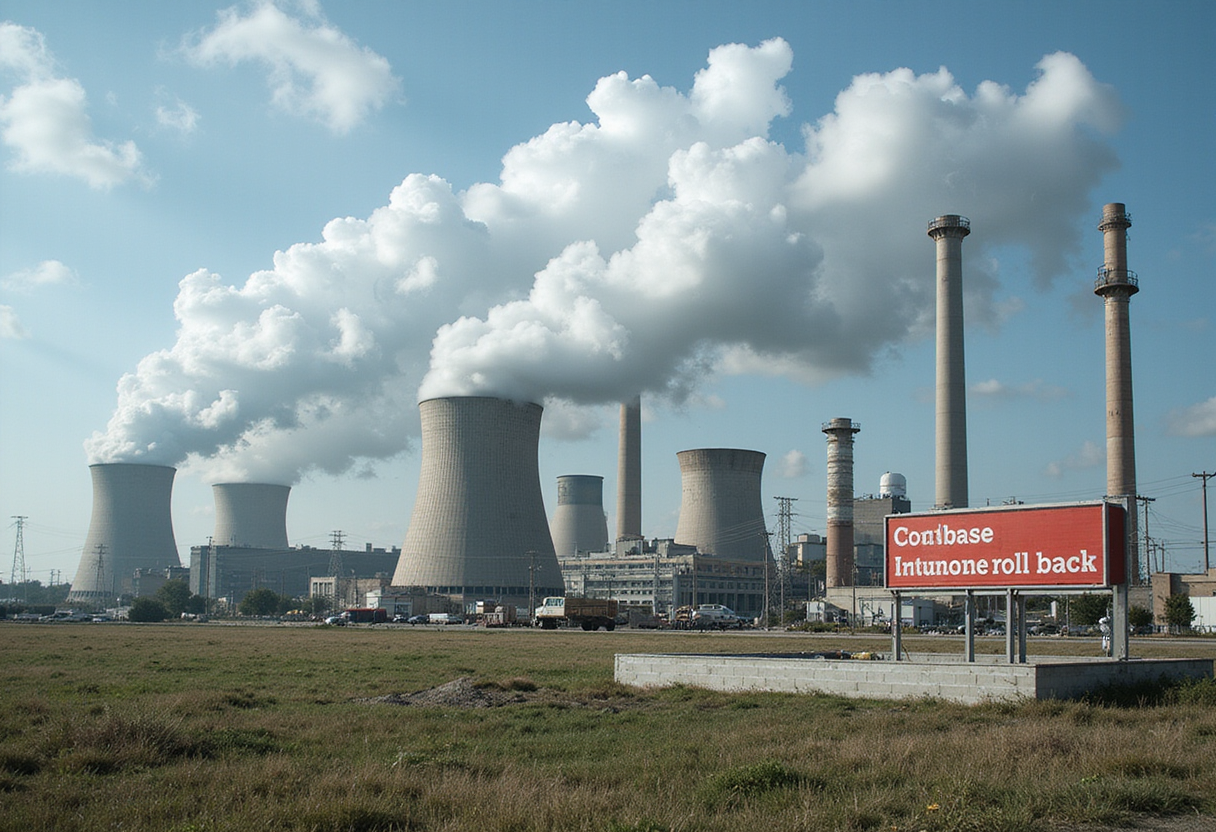
EPA has rolled back portions of its power plant emissions standards, per Iowa Public Radio, drawing pushback from environmental advocates. The action reshapes CCR and fly ash supply economics.
Waypoints
EPA has rolled back portions of its power plant emissions standards, according to Iowa Public Radio
Environmental advocates have expressed concern about the rollback's effect on air quality and waste streams
Coal combustion residuals are regulated under the 2015 CCR Rule and the 2024 legacy impoundment closure rule
The specific rule provisions being undone, the effective date, and affected facilities have not been disclosed in the available reporting
The retirement-versus-preservation outcome for scheduled coal units will determine whether the CCR and fly ash supply stream expands or contracts
The Environmental Protection Agency has rolled back portions of its power plant emissions standards, according to Iowa Public Radio, drawing opposition from environmental advocates who track the rule's downstream effect on air quality and waste streams.
The headline on the Iowa Public Radio dispatch — "EPA rollback of power plant emissions worries environmental advocates" — captured a regulatory action that resets operating obligations for coal- and gas-fired generation. The agency has not, in the version of the reporting available to Circular Wire, identified the specific rule provisions being undone, the effective date, or the facilities affected.
Power plant emissions standards sit at the intersection of two material streams the recycling sector monitors closely: coal combustion residuals, regulated under the agency's 2015 CCR Rule and the 2024 legacy impoundment rule, and the fly ash marketed for reuse in concrete, cement and wallboard. The annual tonnage of CCRs available for beneficial use tracks the operating fleet of coal units. Rules that accelerate retirements tend to tighten that supply. Rules that keep uneconomic units running lengthen the disposal runway at regulated surface impoundments.
Why fleet economics, not the headline, drive ash markets
The question that decides what happens next in material recovery is whether the rollback revives units scheduled for retirement, or whether it primarily adjusts new-source review and operating permit limits. The former lengthens the CCR stream. The latter has a smaller, more diffuse effect on downstream throughput.
For concrete and cement producers that buy fly ash as a supplementary cementitious material, the supply curve responds to fleet size more than to any other variable. Trade associations representing ash producers, including the American Coal Ash Association, have, in prior rulemakings, asked the agency to weigh CCR supply against disposal policy. If the rollback extends unit lives by even a single planning cycle, the SCM market shifts accordingly. If it does not, the industry's ongoing pivot to calcined clays, ground granulated blast-furnace slag and other alternative binders continues on its current trajectory.
What changes for utilities and disposal operators
For investor-owned utilities, municipal systems and electric cooperatives, the operational question is dispatch order. The emissions limits in place before the rollback had been a primary economic driver behind a slate of coal retirements announced across the past decade. A reversal changes the retirement math and, with it, the closure timeline for legacy surface impoundments regulated under the CCR framework.
For landfill and impoundment operators, the relevant variable is whether disposal capacity that had been planned for closure now stays open. The agency's 2024 legacy impoundment rule set deadlines for facilities meeting certain groundwater contamination criteria; those deadlines are tied to facility status, not directly to operating status. A rollback that preserves the underlying generating unit does not automatically preserve the impoundment, but it does change the surrounding economics.
What to watch next
The next milestones are the publication of the proposed rule in the Federal Register, the public comment window, and any endangerment findings or administrative records the agency cites. Trade groups representing utilities, environmental coalitions, and beneficial-use associations typically file comments through their respective associations during the comment period.
For Circular Wire readers, the relevant tracking items are three: the specific provisions of the rule being undone, the unit-level operating effect, and the resulting change in CCR throughput that reaches beneficial-use markets.
via Google News: Environmental compliance and EPA (Source)
More from Daniel Okafor
Show full bio
Correspondent covering consumer brands and retail at Circular Wire.
285 articles