Compliance & Policy
EPA's repeal of power-plant carbon rules ends an era of federal climate mandates
The EPA has gutted the 2024 Carbon Pollution Standards, ending federal carbon mandates for power plants. Emissions still fall on economics — but the pace of the transition is now the open question.
Waypoints
The EPA repealed the 2024 Carbon Pollution Standards, which would have required fossil fuel plants to cut or capture emissions or shut down.
The U.S. hit the Clean Power Plan's target of a 32% emissions cut from 2005 levels by 2030 a full decade early, driven by coal retirements.
House Democrats unveiled the Thriving Economy Project, including restoring residential clean energy tax credits and addressing data center demand.
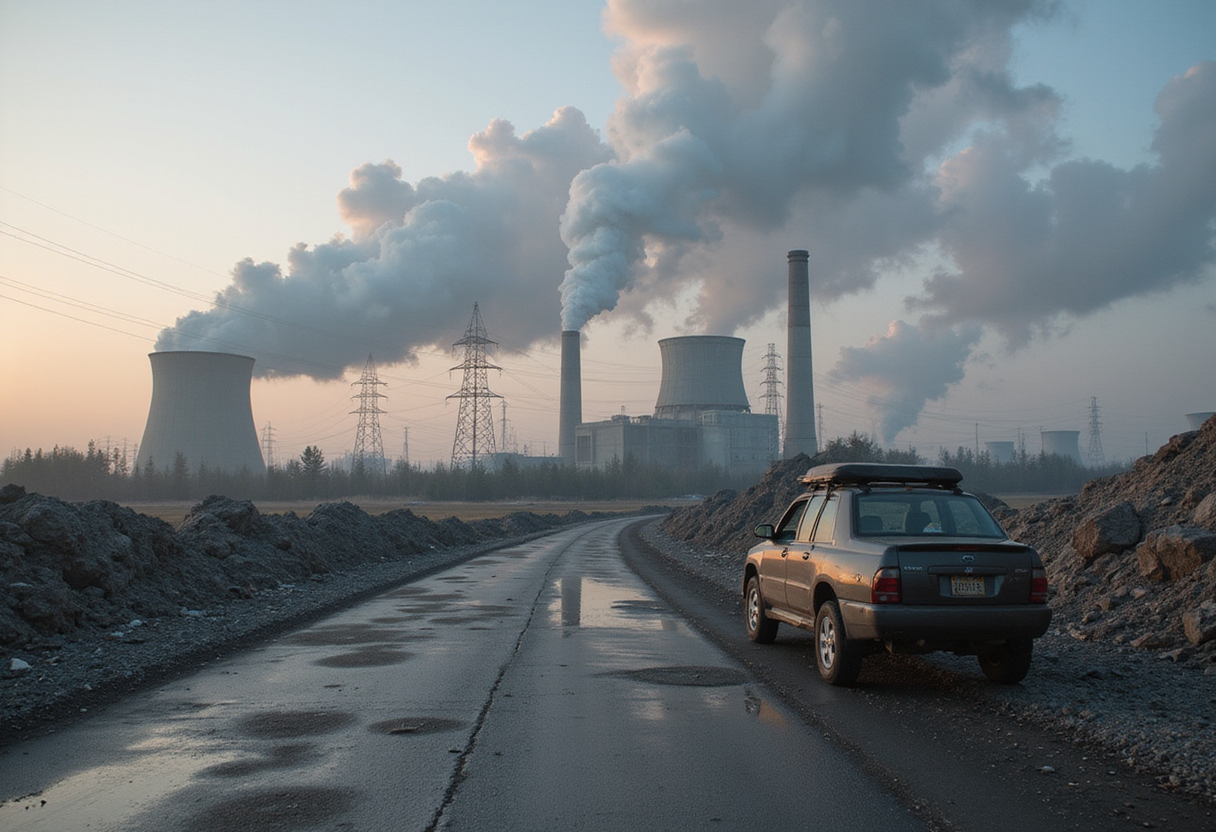
The EPA this week gutted the 2024 Carbon Pollution Standards, completing its rollback of the most consequential climate regulations covering fossil fuel power plants that the Biden and Obama administrations put in place.
The 2024 rules, enacted under President Joe Biden, would have required fossil fuel plants to significantly reduce or capture their emissions in the coming years — or shut down. Their repeal closes out the agency's erasure of federal power-sector climate policy, and it follows a familiar arc.
In 2015, President Barack Obama's Clean Power Plan aimed to cut electricity-sector greenhouse gas emissions 32% by 2030 against 2005 levels. Lawsuits and a Supreme Court decision kept those rules from taking effect, and the first Trump administration repealed them in 2017. The 2024 standards were the successor framework. That framework is now gone too.
Yet the sector has decarbonized anyway. The U.S. hit the Clean Power Plan's 32% reduction target a full decade early — not because of regulation, but because utilities retired dirty old coal plants and replaced their output with natural gas and renewables.
The economics continue to point the same direction. Federal orders over the past year requiring aging coal plants to stay online have racked up millions of dollars in additional costs for utility customers, while renewables remain the lowest-cost power option in the country — despite President Donald Trump's claims to the contrary.
So the question is no longer whether the transition away from fossil generation happens without federal emissions rules. It does. The question is how fast. Every additional ton of CO2 emitted into the atmosphere makes climate change worse and more dangerous, and a transition that would almost certainly move faster with regulations in place will now run on market logic alone.
California: Newsom's record and the bills still on his desk
Governor Gavin Newsom's time in office is closing out, and analysts are split on his climate legacy. California has built substantial new clean energy capacity, added millions of EVs to its roads, and committed to ending sales of gasoline-powered cars by 2035. But experts say Newsom has fallen short on environmental justice commitments and has not gone far enough against utility and corporate interests to bring down residential energy costs.
He still has room to act. The state Legislature has passed bills that could cut into utility profits and boost virtual power plants, and they now await his signature.
Congress: House Democrats' plan without the climate label
A group of House Democrats rolled out the Thriving Economy Project this week — a broad policy blueprint whose title, much like the Inflation Reduction Act, understates its climate ambition. Priorities include restoring federal tax credits for residential clean energy and efficiency, tackling data center power demand, and unlocking low-cost financing for renewable projects.
The proposals face a long road to legislation. Project leader Rep. Kathy Castor (D-Fla.) told Heatmap the authors first want to identify which ideas could gather bipartisan support — a tall order while Trump remains in office.
Elsewhere in energy and climate policy
The U.S. House approved a bill requiring state regulators to consider making data centers pay for the power and transmission upgrades built to serve them.
Bannock County, Idaho, is reconsidering its ban on clean energy development, as local leaders and residents point to solar, wind and nuclear projects as potential economic lifelines for farmers hit by years of drought.
The Trump administration moved to strip another core protection from the Endangered Species Act — a decision with potentially large implications for energy development.
The Regional Greenhouse Gas Initiative, the Northeast cap-and-trade program approaching its 20th year, faces questions from industry leaders and other observers about whether it is still doing its job.
And an analysis from FERC and the North American Electric Reliability Corp. found that U.S. power generators experienced fewer outages during extreme cold snaps this past winter than in 2021 and 2022.
The immediate milestone to watch: whether Newsom signs the utility and virtual power plant bills on his desk, and whether any piece of the Thriving Economy Project can attract Republican co-sponsors. Those decisions, not the repealed carbon standards, will shape what the post-mandate transition actually looks like.
via epa.gov (Original)
More from Rebecca Stone
Show full bio
News editor covering consumer brands and retail at Circular Wire.
125 articles