Compliance & Policy
EPA signs 55-party agreements to launch $78.6M Neponset River cleanup
EPA agreements with DCR and 54 responsible parties advance the $78.6 million Lower Neponset Superfund cleanup, where PCBs reached 11,000 mg/kg in sediment behind a failing Hyde Park dam.
Waypoints
EPA signed agreements with DCR and 54 responsible parties on Nov. 18 for the $78.6 million Lower Neponset River Superfund cleanup.
PCB concentrations reached 11,000 mg/kg in sediment immediately upstream of the Tileston and Hollingsworth Dam.
Construction was previously projected to start in 2027 and conclude around 2031; the new agreements set no firm start date.
The Lower Neponset received its federal Superfund designation in March 2022.
Sediment behind the dam thinned from 9.7 feet in 2002 to 4.8 feet in 2021, showing downstream migration of contamination.
The US Environmental Protection Agency has signed agreements with 55 parties to advance a $78.6 million cleanup of the Lower Neponset River Superfund site, clearing the way for design work on the most contaminated mile of the 3.7-mile stretch running through Boston and Milton.
The settlements, announced Nov. 18, pair the Massachusetts Department of Conservation and Recreation (DCR) with 54 settling parties EPA has identified as contributors to historic contamination in the waterway. Under one agreement, those parties — property owners and operators, waste generators, and transporters — will perform the engineering and design needed to remove polluted sediment and floodplain soil from the river's uppermost mile, starting where Mother Brook joins the Neponset in Hyde Park.
"These agreements work together to allow cleanup efforts in the Lower Neponset River Site to begin and are a truly important first step to address PCBs and other contaminants in the most contaminated reach of the Site," EPA Regional Administrator Mark Sanborn said in a statement.
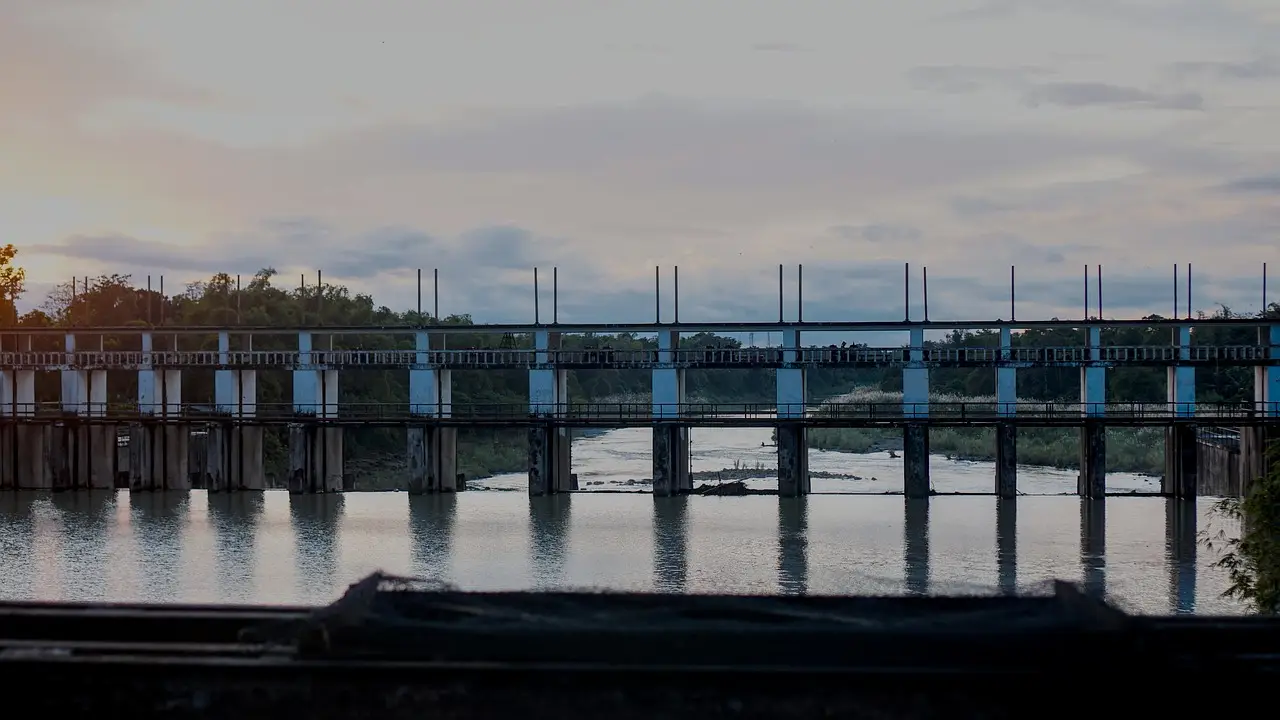
The separate DCR agreement commits the state agency to designing, financing, and executing removal of the Tileston and Hollingsworth Dam near the Hyde Park-Milton line. The structure has impounded contaminated sediment for decades and a 2021 inspection rated it in poor condition, with significant structural, mechanical, and operational deficiencies.
What sits behind the dam?
Federal investigators documented PCB concentrations as high as 11,000 milligrams per kilogram in sediment immediately upstream of the dam. EPA has determined the contamination poses unacceptable risks to human health and wildlife. PCBs were widely used in industrial manufacturing until a 1979 ban; investigators have also found pesticides, heavy metals, and dioxins in river sediment and adjacent floodplain soils.
The settlement documents continued downstream migration of contaminated material. Sediment thickness behind the dam fell from 9.7 feet in 2002 to 4.8 feet in 2021, moving polluted material toward Mattapan and Dorchester during normal flows and storms. EPA has warned that a dam failure could release large volumes of contaminated sediment downstream.
"It's also a critical part of the cleanup because the dam currently impounds contaminated sediment," Sanborn said of the removal. "Its removal will support both environmental restoration and the long-term cleanup of the river."
How did 55 parties come together?
Sanborn, who spoke with The Reporter, called the settlements a breakthrough in a process involving dozens of entities with potential liability for historic pollution. "When you're dealing with more than one entity, it gets complicated, never mind more than 50," he said. "These settlements are a major step forward for the cleanup. They allow design work for the first phase of the project to move forward and ensure that responsible parties are contributing to the cleanup."
The settlement also records the role of the former Lewis Chemical Corporation facility on Fairmount Court in Hyde Park, which processed hazardous waste from 1963 until an explosion and fire closed it in 1983. Federal investigators found evidence of releases from the property into the river. EPA completed a separate cleanup at the site in 2024, and an agency staff member said Thursday that several parties tied to the property are participating in the new settlement.
The settling parties will continue negotiations with EPA over responsibility for financing and performing the actual cleanup work. Sanborn declined to say whether more responsible parties might join. "What I can say is that EPA is going to look for every opportunity to have as many potentially responsible parties involved as possible in the ultimate funding agreements," he said.
What are the deadlines and the state's obligations?
DCR must conduct further engineering investigations, prepare detailed construction plans, arrange off-site disposal of contaminated material from the dam, and restore disturbed sections of the channel and banks. The agency must coordinate with other responsible parties and comply with EPA requirements covering air quality, dust, noise, traffic, and public safety during construction. The agreement assigns no specific dollar figure to the state's share but requires DCR to finance its work and seek legislative appropriations to reimburse EPA for eligible oversight costs.
The agreements follow EPA's November 2025 approval of a cleanup strategy calling for dredging contaminated sediment, excavating polluted riverbank soils, installing protective caps along portions of the riverbed, and restoring the channel. The project is expected to take roughly four years, with construction previously anticipated to begin in 2027 and conclude around 2031; the new agreements set no firm start date.
A second phase will address the remaining stretch of the site, from the Tileston and Hollingsworth Dam through Mattapan and Lower Mills to the Walter Baker Chocolate Dam. Sanborn said the Baker Dam's future remains an open question within Phase 2 planning.
The Lower Neponset received its Superfund designation in March 2022 after years of advocacy by residents, environmental groups, and elected officials. The Neponset River Watershed Association called the agreements a significant milestone in a Nov. 19 statement: "We are excited to see this next phase get underway and to continue working toward a healthier, cleaner, and more accessible Neponset River."
The next milestone to watch is completion of Phase 1 design work by the settling parties and DCR's dam-removal engineering, which together determine whether cleanup construction can hold to the 2027 start EPA has previously projected.
via rss.wbur.org (Source)
More from Rebecca Stone
Show full bio
News editor covering companies, deals and strategy in Circular economy and the environmental industry at Circular Wire.
556 articles