Plastics & Chemical Recycling
EU approves chemical recycling content targets for plastic bottles
The EU has approved chemical-recycling content targets for plastic bottles, letting PET producers count pyrolysis oil and depolymerised monomers against recycled-content mandates.
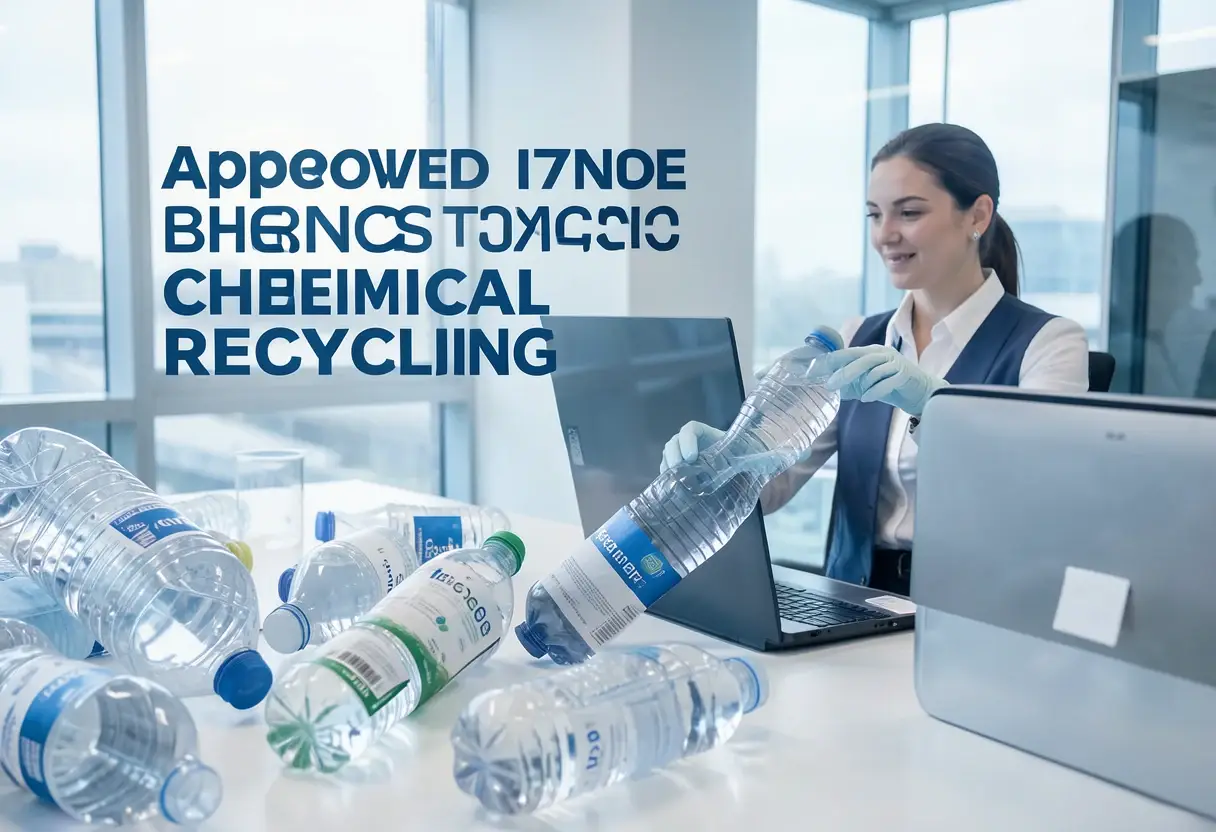
Waypoints
EU has approved chemical-recycling content targets for plastic bottles, per S&P Global
Approval implements the 2024 Packaging and Packaging Waste Regulation's delegated-act mandate
Member states ratified the PPWR in 2024; chemical-recycling definition was left to Brussels
Pyrolysis and depolymerisation pathways are in scope of the new counting framework
Delegated-act publication in the EU Official Journal is the operational trigger for compliance reporting
The EU has approved chemical recycling content targets for plastic bottles, S&P Global reported this week — a regulatory milestone that turns a contested counting method into a compliance lever for the bloc's recyclers, resin producers and brand owners.
The approval lands inside Europe's running packaging overhaul, the Packaging and Packaging Waste Regulation (PPWR). That framework sets recycled-content minima for contact-sensitive formats and reserved a narrow door for chemically recovered feedstock. Member states ratified the regulation in 2024 with a clause calling on the Commission to issue delegated acts specifying what counts under chemical recycling.
Brussels has now closed that gap.
What does the ruling change?
Until this week, whether a tonne of pyrolysis-derived feedstock could count toward a brand's recycled-content mandate was a regulatory grey zone. Producers have been hedging between mechanical and chemical recovery as a result. The new targets convert that uncertainty into a compliance lever with a deadline attached.
For plant economics, the conversion matters. Mechanical PET lines recycle bottles at near closed-loop parity — one bottle in, one bottle-grade flake out. Chemical lines process mixed, coloured, and multi-layer streams that mechanical sorters reject, output that previously sat on the wrong side of a regulator's ledger. A defined accounting pathway pulls demand toward chemical facilities that have run below capacity while they waited for Brussels to define the rules.
Resin producers can read the implication directly: a steam cracker fed with pyrolysis-derived hydrocarbons could now book that stream as recycled content against PET bottle obligations, on paper and in compliance reports.
Who has been positioning for this
Trade associations have been tracking the delegated act since last summer. Plastics Europe has held that mechanically and chemically recycled content should count equivalently. The European PET Bottle Platform has pushed the opposite position on quality grounds, arguing that chemically recovered monomers do not match bottle-to-bottle specifications. Industry observers expect the Commission's text to settle that dispute by clarifying which advanced-recycling outputs sit inside the qualifying definition and which sit outside.
A handful of EU demonstration lines have operated with offtake agreements written on the assumption that Brussels would move this way. Their commercial case depends on the targets reaching the Official Journal without dilution.
What stays unsettled
Two questions will decide how hard the targets bite. First, mass balance: does Brussels accept book-and-claim accounting across production chains, or insist on physical traceability from bottle to feedstock? Second, input scope: which feed streams qualify as "chemical recycling"? Pyrolysis of mixed plastic waste has a clear process definition; depolymerisation of PET back to monomers blurs into mechanical recycling's territory.
The delegated act's publication is the operational trigger. Industry will look for the defined scope of "chemical recycling," the accounting method, and the reporting template producers must use.
Once published, packaging recovery operators and converters will have a defined runway to integrate chemical-recycled content into compliance reporting under existing PPWR obligations. The next compliance cycle is when this lands on the balance sheet.
via Google News: Chemical and plastics recycling (Source)
More from Elena Vasquez
Show full bio
Senior reporter covering technology and product news in Circular economy and the environmental industry at Circular Wire.
393 articles