E-Scrap & Battery Recycling
Expert Warns Gadget Batteries in E-Waste Streams Pose Fire Risk
An expert quoted by Moldova 1 warns that batteries in discarded gadgets can start fires, urging separate collection of battery-bearing e-waste from household waste streams.
Waypoints
An expert warns batteries in discarded gadgets can cause fires.
Guidance calls for e-waste collection separate from general household waste.
Warning applies to battery-bearing devices such as phones and laptops.
No regulatory measure or deadline accompanied the advisory.
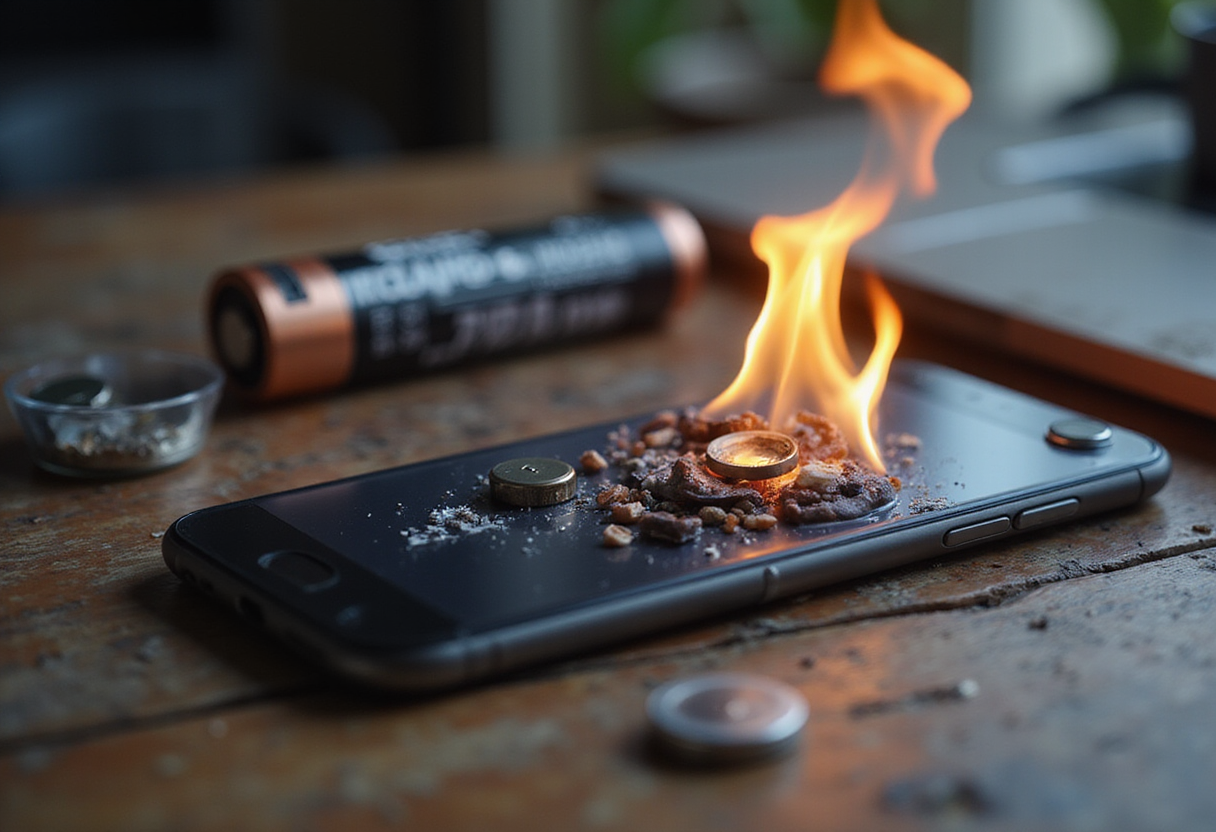
Batteries inside discarded consumer electronics can ignite and cause fires, an expert warned this week, urging households and collectors to handle e-waste separately rather than letting battery-bearing devices enter general waste streams.
The warning, reported by Moldova 1, targets a failure point familiar to collection operators: lithium-based cells embedded in phones, laptops and other gadgets. When crushed, punctured or short-circuited in compaction equipment or collection vehicles, these batteries can catch fire.
Fire losses linked to batteries have become a standing concern for waste and recycling operators, and the guidance from Moldova lands in a market where separate e-waste collection infrastructure is still developing.
Why do gadget batteries catch fire?
The expert's warning centers on the chemistry and handling of batteries in end-of-life devices. Damaged cells release energy as heat — a thermal event that can spread to surrounding material in a bin, truck or sorting hall.
For collection systems, the practical risk is co-mingling. Devices containing batteries mixed with paper, plastic or residual household waste put compaction and transport equipment in the fire path.
How should e-waste be collected properly?
The guidance issued alongside the warning sets out proper collection practice for households and collectors:
- Collect discarded electronics separately from general household waste.
- Do not dispose of gadgets with embedded batteries in mixed waste bins.
- Keep battery-bearing devices intact — do not dismantle or damage batteries before handover.
- Use designated e-waste collection channels so devices reach authorized handlers.
The message to the public is direct: the fire risk sits in the battery, and the collection route decides whether that risk reaches a compactor.
What happens next?
The warning itself is advisory; no new regulation, collection target or facility measure accompanied it in the report. The operational question for Moldova's collection chain is whether separate e-waste uptake rises enough — before, not after, a battery-driven fire does the persuading.
via Google News: Battery recycling and e-waste (Source)
More from Rebecca Stone
Show full bio
News editor covering consumer brands and retail at Circular Wire.
281 articles