Circular Economy
Filta Marks Ninth Season Handling Fryer Oil at Neyland Stadium
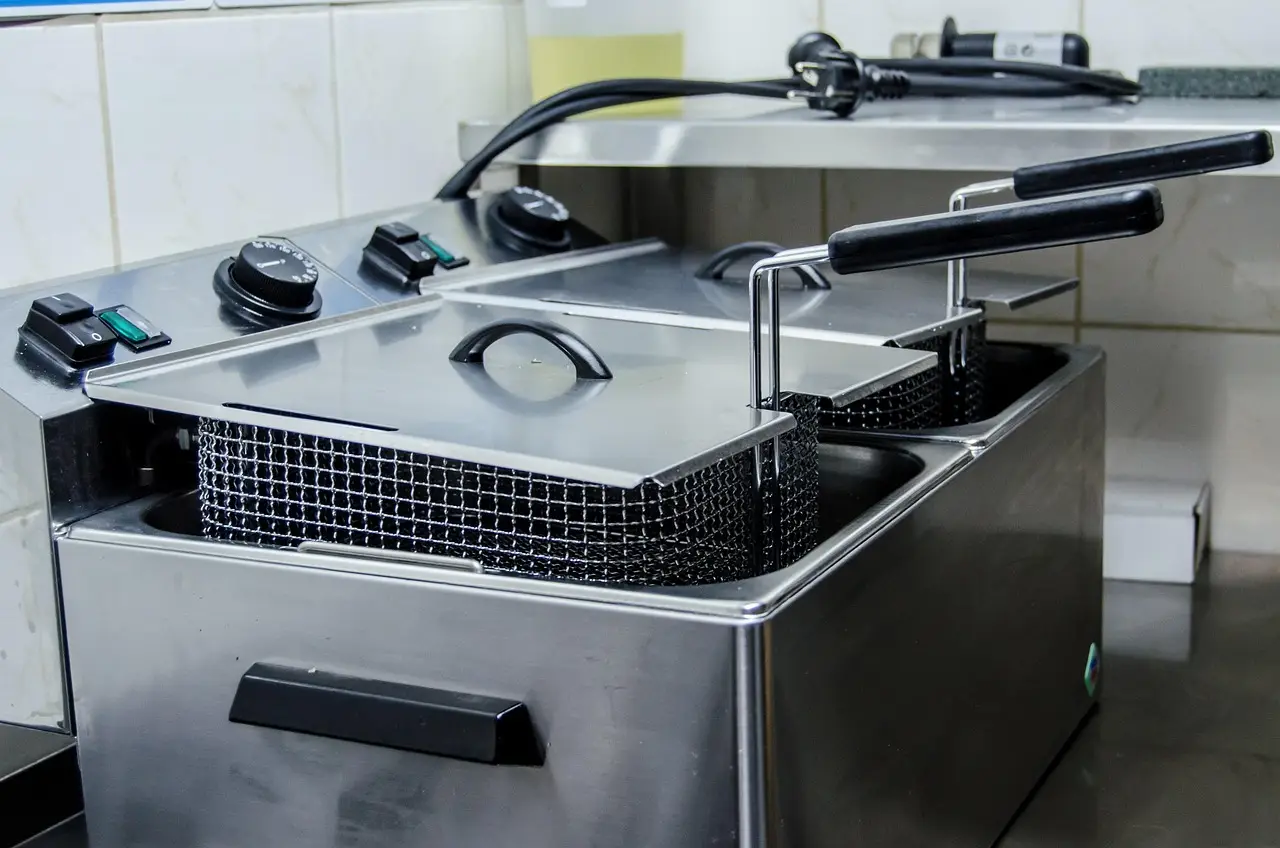
Filta's Trevor Higgins is in season nine servicing 30 Neyland Stadium fryers and about 1,000 fryers weekly across Tennessee, with spent oil going straight to biofuel — no rendering required.
Waypoints
Neyland Stadium runs 30 fryers on game days, serviced by Filta for nine seasons as of 2026.
Filta's team averages 2.5 fryers per hour and about 1,000 fryers a week across Tennessee locations.
Spent oil is recycled into biofuel blended into diesel and jet fuel, skipping the energy-intensive rendering step.
The franchise also covers University of Tennessee campus fryers, plus Nissan Stadium and Bridgestone Arena in Nashville.
Filta Environmental Kitchen Solutions is in its ninth season servicing the 30 fryers that feed Neyland Stadium's chicken tenders and french fries on University of Tennessee game days, and the spent oil from those fryers now moves into biofuel production without a rendering step.
The work belongs to Trevor Higgins, who owns the local Filta franchise along with locations in Chattanooga and Nashville. His team handles roughly 1,000 fryers a week across its territory, at an average rate of 2.5 fryers per hour. The service model is simple: filter the oil in a fryer to extend its usable life, or replace it when it's done — and haul the old oil away for recycling.
That downstream stream matters. Spent oil collected through Filta's process goes to biofuel production, where it's blended into diesel and jet fuel. The distinction the company points to is contamination control. Historically, used cooking oil sat in outdoor bins where it picked up water, food and trash, forcing renderers to process out those contaminants before conversion — an energy-intensive extra step. Filta's closed handling skips that rendering step, cutting energy use in the conversion chain.
Higgins is candid that his operation is one narrow piece of a much bigger machine. The service is, in his words, "one small piece to this whole puzzle for a four-hour game," even if a structurally important one. "There's no Facebook group for fryer cleaners," he joked.
What's the actual scope of the contract?
Neyland Stadium is only part of the book. Beyond the 30 stadium fryers, Filta services commercial fryers across the University of Tennessee campus, plus the fryers at Nissan Stadium and Bridgestone Arena in Nashville. That portfolio gives the franchise a steady institutional base — stadiums and campus kitchens generate high fryer throughput on event days, and consistent volume in between.
Higgins, a Tennessee native, told Knox News he takes particular satisfaction in the account. "I was born and raised in Tennessee and I loved coming here," he said. "It's exciting. It's fun, and you know, I've been a Vols fan since birth, so it's really a special thing."
He says he never expected to end up knowing this much about cooking oil, but watching Tennessee games now carries a different weight, knowing his team touched the concessions pipeline before kickoff.
Why does the rendering skip matter?
The material-stream logic here is straightforward. Without a dedicated handler, used oil still reaches biofuel producers — but through a dirtier channel. Contaminated oil collected in open outdoor bins has to be rendered before it can be converted, and rendering burns additional energy to strip out water and debris. Filta's in-place filtering and sealed replacement process keeps the spent oil cleaner at pickup, so it enters the renewable-fuel supply chain without that intermediate processing step.
The takeaway: contamination at the collection point, not the fryer itself, is what drives energy cost in this stream.
What to watch next
Filta's ninth season at Neyland is a fact to track, not a milestone in itself. The signal worth following is institutional demand: as more stadiums, arenas and campus foodservice operators come under pressure to document where their used oil goes — and as renewable diesel and sustainable aviation fuel blenders compete for clean feedstock — operators that deliver low-contamination spent oil directly, skipping rendering, hold a cost and quality edge over the bin-and-render status quo. The market for that feedstock, more than any stadium contract, will decide how fast this niche scales.
via sports.yahoo.com (Source)
More from Daniel Okafor
Show full bio
Correspondent covering companies, deals and strategy in Circular economy and the environmental industry at Circular Wire.
586 articles