Plastics & Chemical Recycling
Hyundai Motor and CJ Join Forces on Automotive Plastic Recycling
Hyundai Motor and CJ have agreed to cooperate on recycling plastics from end-of-life vehicles, pairing an automaker's material stream with CJ's chemical processing capability.
Waypoints
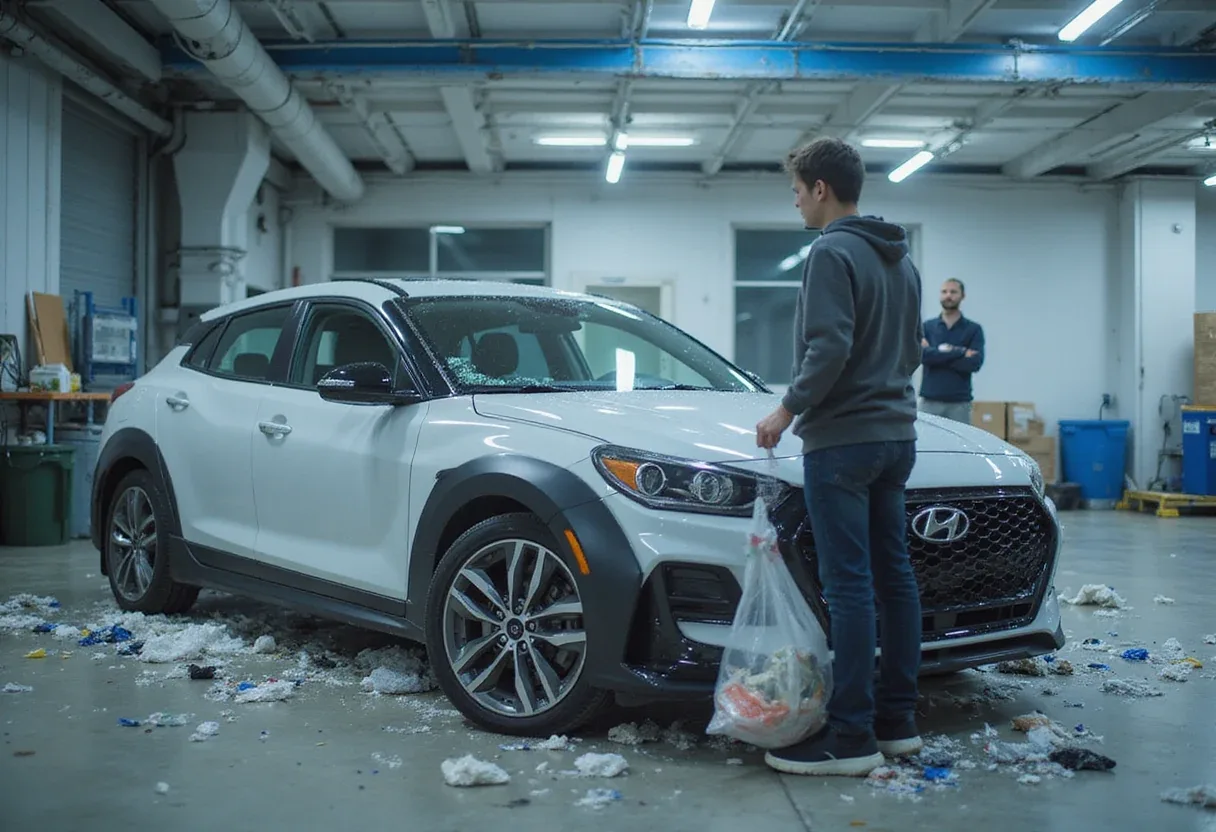
Hyundai Motor and CJ have signed a cooperation agreement on recycling plastics from automobiles
The partnership pairs an automaker's end-of-life plastic stream with CJ's materials processing arm
No tonnage targets, facility locations or investment figures accompanied the announcement
Hyundai Motor and CJ have agreed to work together on recycling plastics from cars, according to a report from South Korea's Maeil Business Newspaper. The announcement names the two companies and the material stream. It does not, at least in the initial report, name a tonnage target, a plant or a deadline.
That distinction matters. In this trade, the gap between a signed memorandum and a running line is where most recycling ventures quietly expire. What the deal does establish is a pairing that industry watchers should take seriously: a carmaker with a vast plastic supply chain, and a conglomerate with the processing ambitions to match it.
What do we actually know?
The reported agreement links Hyundai Motor, Korea's largest automaker, with CJ — the food-to-logistics conglomerate whose CJ CheilJedang and affiliated materials businesses have pushed into bioplastics and chemical recycling in recent years. The object of the cooperation is automotive plastic: the bumpers, dashboards, trim panels and under-hood components that make up a growing share of every vehicle built.
The report identifies no specific facility, no dedicated investment figure and no volume commitment. It establishes intent, and the identity of the parties.
In plain words: two heavyweight Korean groups have said they will try to close the loop on car plastics together, and the numbers will have to follow.
Why automakers are chasing this material
Modern vehicles carry a substantial and rising plastic load. Regulatory pressure is following the material. The European Union's end-of-life vehicle rules are tightening recycled-content requirements, and jurisdictions from Japan to California are moving in the same direction. Any automaker that sells globally now faces recycled-content targets it cannot meet on the open market alone, because the supply of certified post-consumer automotive plastic barely exists at industrial scale.
That is the structural logic behind deals of this kind. An automaker cannot simply buy its way to compliance; it must help build the recycling capacity and the collection systems that feed it. Partnerships with companies holding chemical or mechanical processing capability are the standard route.
The takeaway is simple: the recycled-content deadlines are fixed, and automakers are signing whatever agreements they need to meet them.
What CJ brings to the table
CJ's interest in plastics is not new. The group has invested in biodegradable materials and chemical recycling routes, positioning itself as a materials player rather than a pure consumer goods house. Partnering with Hyundai Motor gives it something every recycler struggles to obtain: a guaranteed, homogeneous feedstock from a single, demanding customer.
For Hyundai Motor, the arrangement offers a domestic answer to a question it will face in every export market: where will the recycled plastic in its vehicles come from, and can it be documented well enough to satisfy regulators?
The pairing of feedstock holder and processor is the oldest shape in this industry. Whether it works depends entirely on execution.
What questions the announcement leaves open
The report, as it stands, answers fewer questions than it raises. Industry readers will want to see:
- Volume. How many tonnes of automotive plastic per year the partnership intends to process, and by when.
- Technology route. Mechanical recycling, chemical recycling, or a mix — each carries different economics and different quality outcomes for automotive-grade material.
- Facility footprint. Whether processing happens in Korea, or closer to Hyundai's overseas plants.
- Timeline. Whether any milestone falls before the EU's tightening ELV recycled-content obligations begin to bite later this decade.
None of these details appeared in the initial report. Their absence is normal for a first announcement; their continued absence six months from now would not be.
A recycling partnership without a tonnage figure is a promise on paper.
What happens next
The pattern for deals like this is well established. Expect a follow-up announcement with a pilot line and a named site, then — if the pilot holds — a commercial-scale investment decision with a capacity figure attached. Watch also for Korean regulatory movement: Seoul has its own resource-circulation framework, and government support frequently determines whether domestic recycling capacity gets built at all.
The milestone to track is the first concrete number. When Hyundai Motor and CJ put a tonnage, a plant or a won figure on this partnership, it becomes an industrial project. Until then, it is a well-connected intention.
The next announcement, with numbers attached, decides whether this deal joins the operating capacity column or the long list of memoranda that never shipped.
via Google News: Chemical and plastics recycling (Source)
More from Olivia Hart
Show full bio
Staff writer covering regulation, policy and their impact on Circular economy and the environmental industry at Circular Wire.
381 articles