Circular Economy
IndexBox opens 29th Circular Economy event coverage on four streams
IndexBox opened editorial coverage of the 29th edition of its Circular Economy Event Programme, structuring the news-and-statistics series around four parallel reporting streams: E-Waste, Batteries, Plastics and Textiles.
Waypoints
IndexBox opened the 29th edition of its Circular Economy Event Programme
The series runs four parallel streams: E-Waste, Batteries, Plastics, Textiles
The EU Battery Regulation sets binding recovery targets running through 2027
The revised EU Waste Shipment Regulation takes effect in 2026
France operates the first national textiles extended producer responsibility scheme
By Rebecca Stone
IndexBox opened editorial coverage of the 29th edition of its Circular Economy Event Programme, structuring the news-and-statistics series around four material streams: E-Waste, Batteries, Plastics and Textiles.
The data publisher, which tracks commodity flows, secondary material pricing and processing capacity across global jurisdictions, has organised the latest edition as four parallel reporting tracks. The structure mirrors how recyclers, producers and regulators segment recovery markets in practice.
The four-track format has defined the series across recent editions. Separating the streams allows each to follow distinct regulatory regimes. Basel Convention rules govern batteries, the EU Single-Use Plastics Directive governs plastics, and the WEEE Directive governs e-waste.
The split prevents a unified analytical frame from forcing comparison across four markets that share little in feedstock, technology or end-market economics.
What does each stream cover?
The E-Waste track follows the WEEE category — end-of-life consumer electronics, IT equipment and household appliances. Coverage addresses collection obligations, treatment capacity and material recovery rates under extended producer responsibility frameworks operating in the European Union and other jurisdictions.
Recovery targets for rare earths, precious metals and base metals anchor the reporting. The stream also tracks informal-sector processing flows and export market developments.
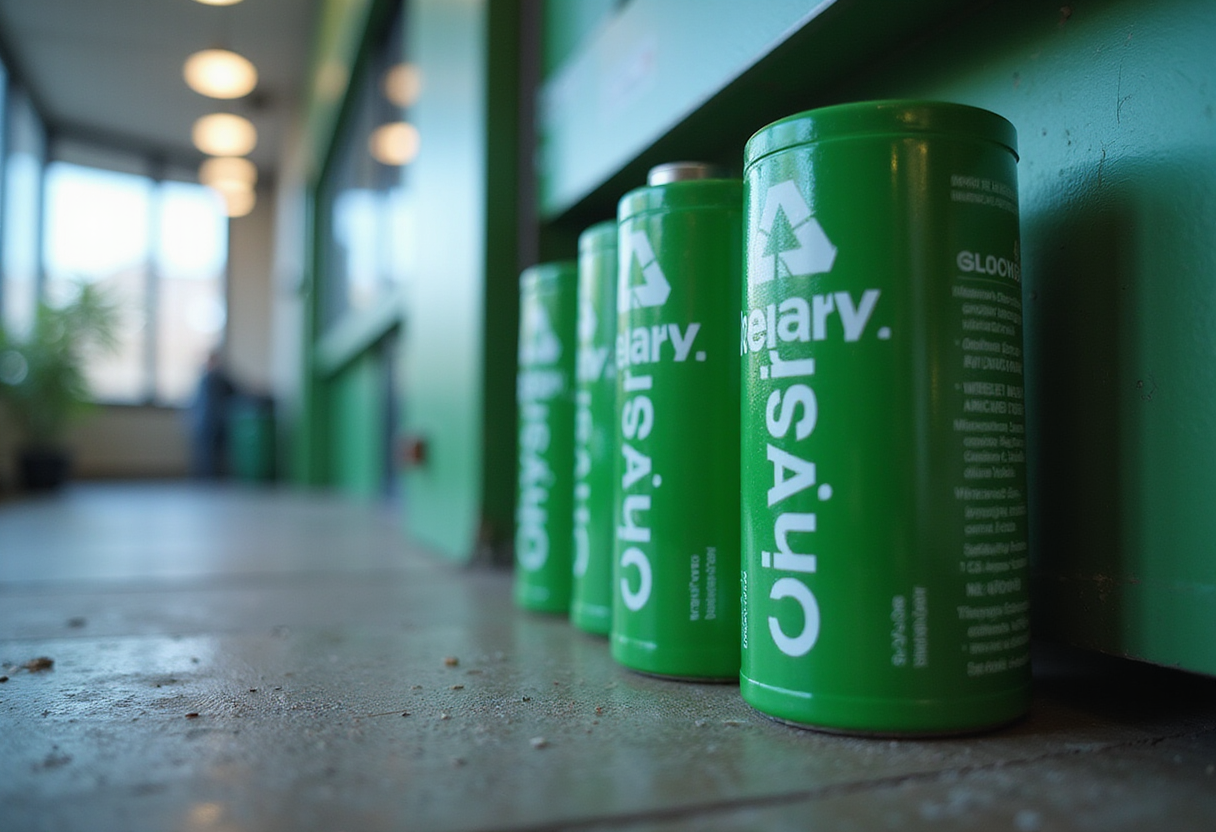
Batteries reporting addresses lithium-ion chemistries and EV powerpacks alongside portable cells and industrial units. The stream tracks the Basel Convention amendments governing transboundary shipment, plus collection and recycling efficiency targets established by the EU Battery Regulation. Lithium, cobalt and nickel recovery rates anchor the data series.
Plastics reporting examines mechanical and chemical recycling pathways for polyolefins, PET and engineering polymers. The track connects recycled-content mandates in packaging and single-use applications to secondary material supply. Food-contact approval processes and recyclate quality specifications receive dedicated coverage.
Textiles reporting addresses post-consumer apparel and household fabrics. The category is gaining regulatory traction through extended producer responsibility schemes, with France operating the first national system and similar frameworks advancing in other jurisdictions. Fibre-to-fibre recycling capacity, collection infrastructure and sorting technology anchor the track.
How does the four-track structure work?
IndexBox designed the 29th edition around parallel reporting lines rather than a single consolidated document. Each stream publishes its own indices, price assessments and capacity data, allowing subscribers to follow individual material categories independently. The structure reflects market segmentation: a lithium-ion battery recycler operates under fundamentally different economics, regulation and feedstock supply than a polyethylene film recycler.
What regulatory milestone decides what happens next?
The compliance calendar dictates capex planning at treatment facilities and feedstock contracts between collectors and processors. Three regulatory files carry binding milestones across the planning horizon.
The EU Battery Regulation establishes collection rates, recycling efficiency targets and recycled-material thresholds for industrial, EV and portable batteries. The schedule runs through 2027 with phased increases in mandatory recovery rates for cobalt, nickel, lithium and lead.
The revised Waste Shipment Regulation changes procedural requirements for transboundary movements of waste, including the four streams covered by IndexBox's programme. New export procedures for non-OECD countries and prior-informed-consent requirements take effect in 2026.
National textiles EPR schemes continue to expand. France operates the first national system; other jurisdictions have advanced proposals. The rollout schedule determines when producers face fees and reporting obligations across the textiles track.
The next editorial milestone for the 29th edition will be the publication of updated indices for each stream. Treatment-facility operators, producer responsibility organisations and secondary-material traders watch the index releases to align procurement contracts and capacity planning with the regulatory calendar.
via Google News: Battery recycling and e-waste (Source)
More from Rebecca Stone
Show full bio
News editor covering companies, deals and strategy in Circular economy and the environmental industry at Circular Wire.
303 articles