E-Scrap & Battery Recycling
Indian City Launches Door-to-Door E-Waste Collection Drive
A door-to-door e-waste collection and recycling drive has been launched, moving household electronics capture from drop-off points to kerbside collection.
Waypoints
Door-to-door e-waste collection and recycling drive launched in an Indian city
Model targets household electronics typically stored, landfilled, or handled informally
Tonnage targets, duration and participating recyclers not specified in the report
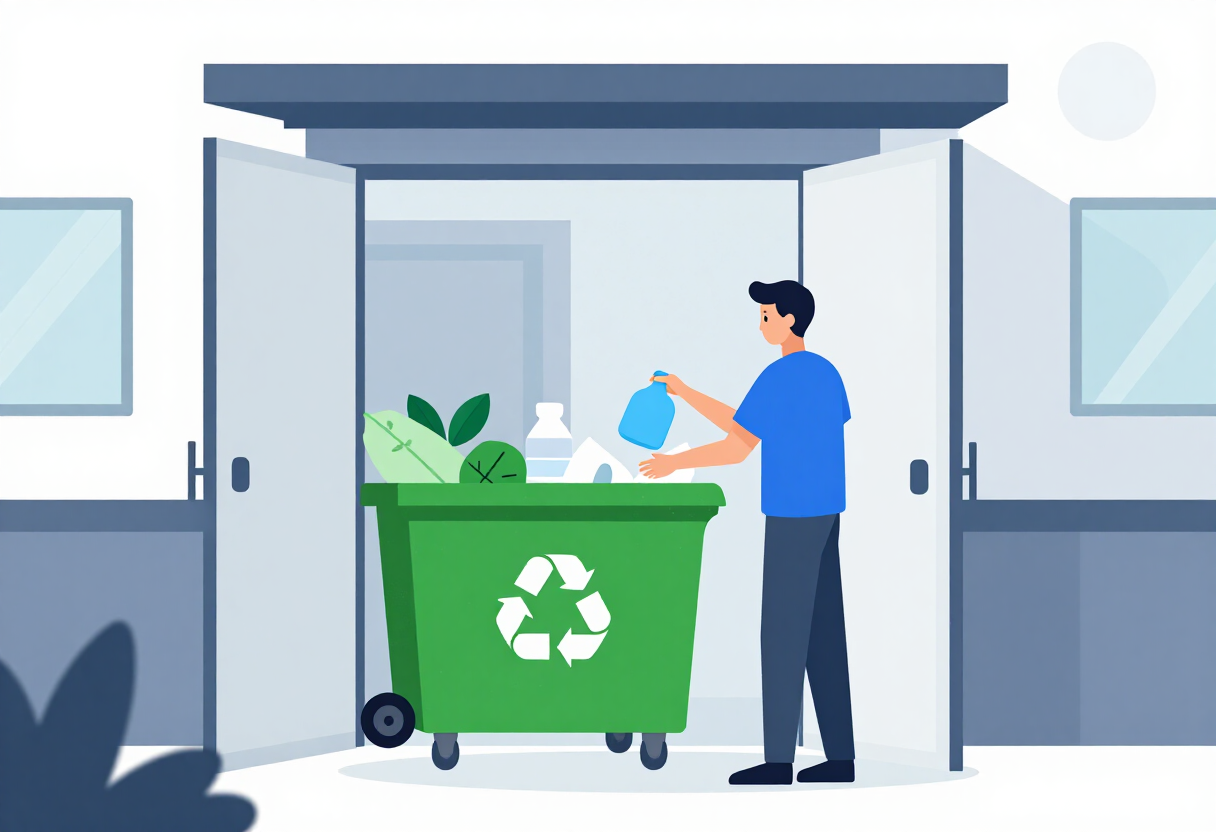
A city-level door-to-door e-waste collection and recycling drive has been launched, according to The Times of India, marking a shift from drop-off-dependent collection toward direct household capture of end-of-life electronics.
The programme sends collection teams directly to residences, an operating model designed to intercept appliances and devices that households typically store, discard with residual waste, or hand to informal dismantlers. Door-to-door collection is a departure from the more common approach in Indian municipalities, where e-waste volumes route through authorised collection centres, retailer take-back points, or producer responsibility aggregators.
The material stream at stake is broad. Waste electrical and electronic equipment covers everything from large household appliances and consumer electronics to batteries-bearing devices, each with distinct recovery chains: copper and aluminium from wiring and radiators, steel from chassis, and circuit boards carrying precious-metal fractions that only formal smelting or refining capacity can recover at yield.
The informal sector currently dominates that flow in India. Door-to-door drives of this type are one of the municipal instruments used to reroute volumes from informal dismantling — with its associated losses of recoverable metal and uncontrolled releases — into authorised recycler intake. The model hinges on participation rates: collection teams can only capture tonnage from households that agree to hand over devices at the kerb.
Programmes of this kind typically run as time-bound drives rather than permanent infrastructure, meaning throughput is measured in collected tonnage per campaign cycle rather than installed processing capacity. The Times of India report does not specify the collecting agency, the participating authorised recyclers, the campaign duration, or tonnage targets. Those parameters will determine whether the drive functions as a one-off awareness exercise or a recurring channel feeding sustained volumes to formal processing capacity.
India's regulatory framework already obliges producers to finance and organise collection through Extended Producer Responsibility certificates, and municipal drives can complement that system by activating household supply that producer-run schemes often fail to reach.
The milestone to watch: whether the city discloses collected tonnage and confirms a repeat cycle, and whether the volumes land with pollution-control-board-authorised recyclers rather than aggregators outside the formal chain.
via Google News: Battery recycling and e-waste (Source)
More from Rebecca Stone
Show full bio
News editor covering consumer brands and retail at Circular Wire.
125 articles