Recycling Industry
Internship supports GRP recycling case in Scottish Highlands
Zero Waste Scotland’s internship yielded a strong business case for Highlands GRP recycling of end-of-life wind turbine blades and marine vessels, then led to a sustainability job.
Waypoints
1 GRP recycling feasibility assessment examined potential supply, demand and stakeholder interest in the Scottish Highlands.
1 Circular Economy Business Support Internship placed Joseph Quance with Inverness and Cromarty Firth Green Freeport.
The case study discloses no GRP tonnage, plant capacity, investment or permit deadline.
1 successful funding bid for a renewable energy education facility was among Quance’s internship contributions.
Quance later became Balfour Beatty’s Environmental Sustainability Coordinator for major energy infrastructure projects in northern Scotland.
One intern’s feasibility assessment for glass reinforced plastic (GRP) in the Scottish Highlands suggested a strong business case for local recycling infrastructure; the case study discloses no tonnage, plant capacity, investment or permit deadline.
By Daniel Okafor
Zero Waste Scotland profiles Joseph Quance in its series on participants who completed the Circular Economy Internship Scheme. Quance took a Circular Economy Business Support Internship with Inverness and Cromarty Firth Green Freeport and worked as an Environmental Innovation Intern. His host asked him to identify and develop a project that could support Scotland’s circular economy.
What did the GRP feasibility work establish?
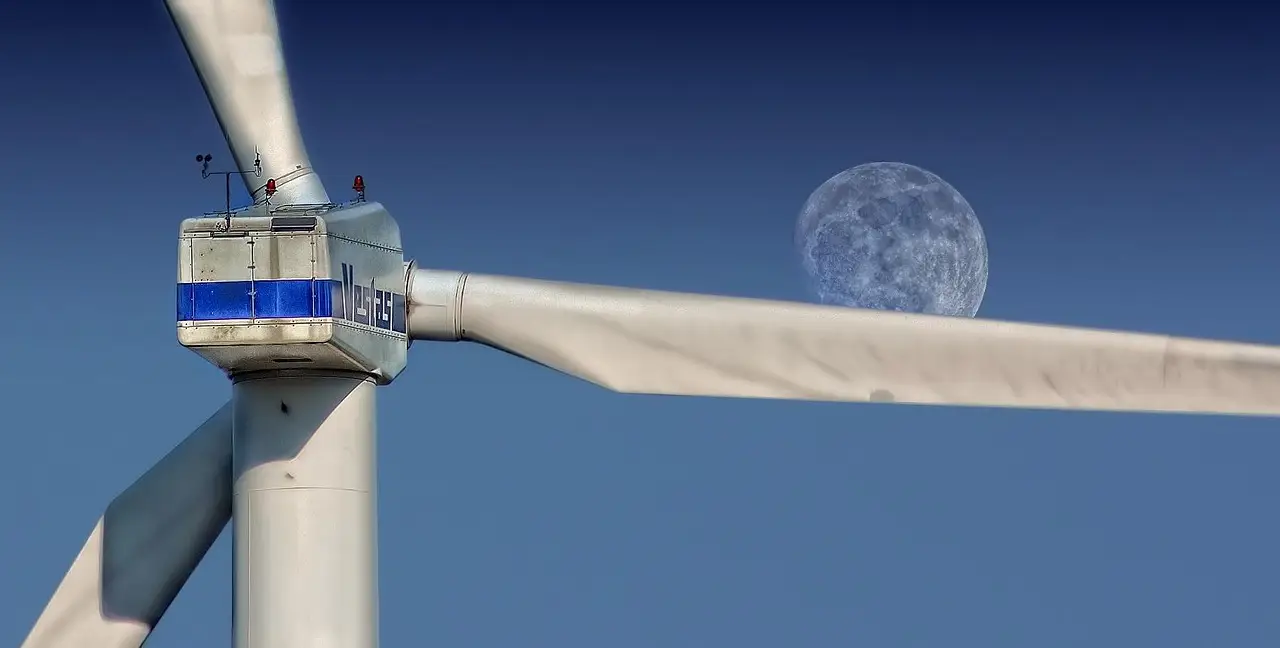
Quance focused on GRP, a durable composite used in many wind turbine blades and marine vessels. Because the material is notoriously difficult to recycle, he examined sustainable end-of-life options and the viability of a GRP recycling facility in the Highlands.
Following discussions with ports and industry stakeholders across the region, he assessed potential supply, demand and stakeholder interest. His findings indicated a strong business case for local infrastructure that would keep GRP in use rather than send it to landfill or incineration. The work also applied the circular-economy principle of retaining material value for as long as possible.
The Zero Waste Scotland case study does not quantify:
- available GRP feedstock in tonnes;
- a planned processing throughput or plant capacity;
- capital or operating investment; or
- a permit application, approval or commissioning deadline.
“As I looked into the role, I realised it wasn’t just about renewable energy,” Quance said. “It was also about creating opportunities for communities. If you can support the environment while creating jobs and helping areas thrive, that’s something worth being part of.”
Takeaway: The work supports a business case for considering GRP recovery, not the operating specifications of a recycling plant.
What else did the placement cover?
The Highlands held a personal connection for Quance, and he saw the placement as a way to support renewable energy development while gaining experience.
Beyond the main GRP project, Quance:
- contributed to a successful funding bid for a renewable energy education facility;
- visited major renewable energy sites across the region; and
- worked on projects exploring how digital technologies could improve efficiency in ports.
Those assignments developed his research, analysis, stakeholder-engagement and communication skills. Alli Vass, his manager at Inverness and Cromarty Firth Green Freeport, said Quance brought energy, curiosity and a different perspective to the team, while his work added value to several projects. She said building the future workforce should do more than fill skills gaps: it should create opportunities for people to contribute, grow and see a future in the Highlands.
Takeaway: The internship combined one materials study with wider work on renewable energy, education funding and port efficiency.
Did the placement lead to a job?
Quance’s route into the placement followed a University of York degree in Environmental Science. After a period of personal loss, he worked in hospitality while rebuilding confidence and remained unsure where his career would lead, though he wanted to contribute to environmental change.
He identified professional communication and relationship building as major gains from the internship, adding that the placement taught him his voice mattered and that he had something to contribute.
Shortly after completing the internship, Quance secured a role as Environmental Sustainability Coordinator with Balfour Beatty. He works on major energy infrastructure projects in northern Scotland.
“Without it, I don’t think I’d even have applied. The experience showed me I had far more to offer than I realised,” he said.
Joanne Mackenzie, Balfour Beatty’s Environmental Sustainability Manager, said the internship gave Quance practical skills, confidence and knowledge for real-world challenges. She described it as a strong foundation for his move into the company and his new role.
Takeaway: The placement’s clearest measurable outcome was Quance’s move into a sustainability job at Balfour Beatty.
What must happen before GRP recovery becomes operating capacity?
Zero Waste Scotland also directs organizations to its Circular Economy Skills Assessment Tool on the Business Information Hub. The agency says businesses can use the tool to identify their strengths and opportunities to build circular-economy capability.
For GRP recovery to become an operating facility, the next milestone is a financed Highland project that sets out capacity, cost and a permit application and approval timetable. The case study publishes none of those figures and names no developer or construction schedule.
Takeaway: A funded project with published capacity and permit dates will determine whether the GRP assessment becomes operating capacity.
via Google News: Circular economy business (Source)
More from Daniel Okafor
Show full bio
Correspondent covering companies, deals and strategy in Circular economy and the environmental industry at Circular Wire.
460 articles