Waste Management Business
JAG Buys Industrial Land in Shah Alam to Scale Total Waste Management
JAG has bought industrial land in Shah Alam to expand its total waste management business, banking physical capacity in Selangor's manufacturing corridor.
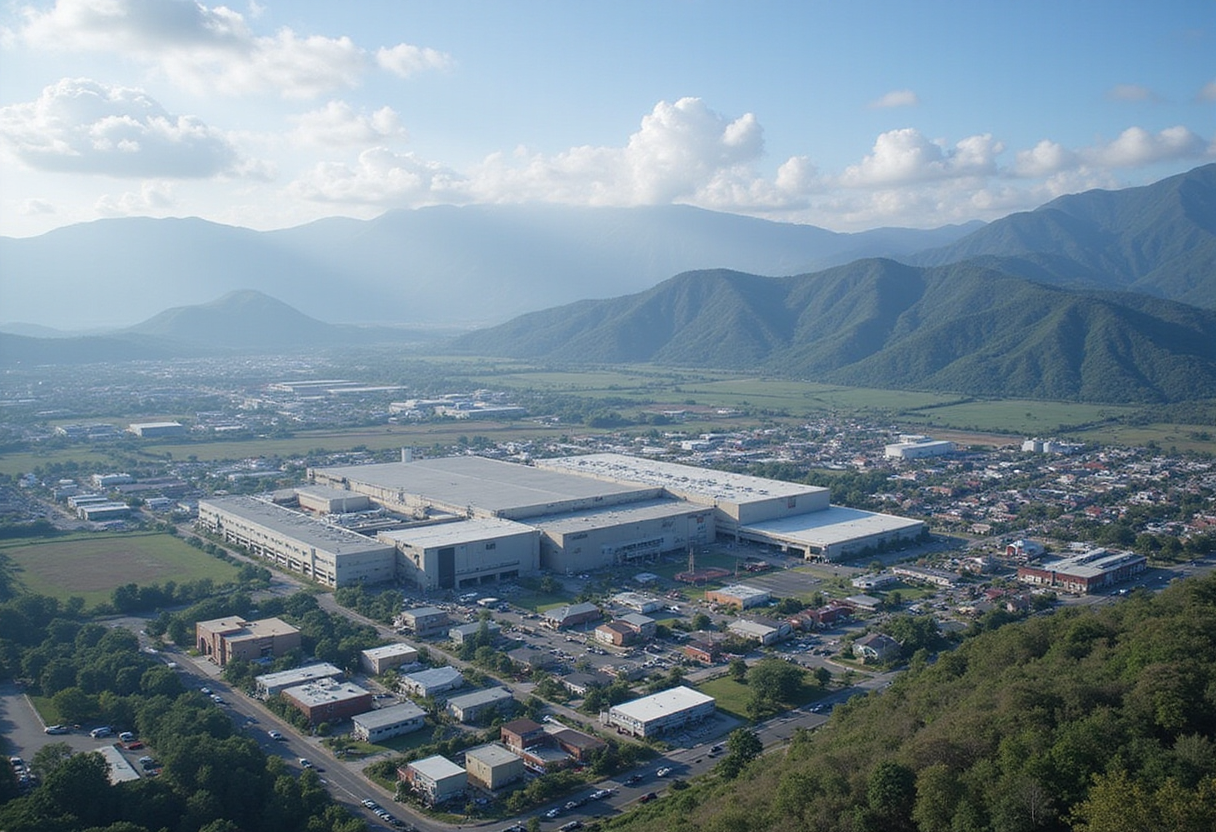
Waypoints
JAG acquired industrial land in Shah Alam, Selangor, Malaysia
The acquisition supports expansion of the company's total waste management business
Purchase moves JAG's growth strategy from announced plans toward physical, permitted capacity
Next milestone: facility plans and licensing for the site
JAG has acquired a parcel of industrial land in Shah Alam, Selangor, to expand its total waste management business — a land-based capacity move in one of Malaysia's densest industrial corridors.
The acquisition, reported by The Edge Malaysia, signals the company's intent to keep building physical infrastructure behind its integrated waste services model rather than growing purely through collection contracts or trading volumes. For a total waste management operator, land is the constraint that decides everything downstream: storage, transfer, pre-processing and treatment capacity all sit on titled, permitted real estate.
Shah Alam matters here. The Selangor state capital hosts a heavy concentration of manufacturing, electronics and chemical processing operations — exactly the customer base that generates scheduled and non-scheduled waste streams requiring licensed handling. Sitting inside that corridor shortens haul distances and puts treatment-adjacent capacity next to the generators.
What does the land purchase change for JAG?
It converts an expansion plan into a physical footprint. Announced growth strategies in Malaysian waste management often stall at the permitting stage; securing industrial land first means JAG can move toward facility development, licensing applications and throughput build-out on its own timeline rather than waiting on third-party site availability.
For practitioners watching the sector, the distinction worth tracking is built capacity versus announced capacity. This purchase is the enabling step — the ground on which future processing, transfer or storage capacity gets constructed. The number that will define the move is not the land price but the tonnage the eventual facility handles.
Total waste management, as JAG frames its business, bundles collection, transportation, treatment, recovery and disposal under one operator. That model leans on network density: the more stream types an operator can process within reach of its customers, the stickier the industrial contracts. Each new site in the Klang Valley tightens that loop.
Why is industrial land the bottleneck?
In Malaysia, scheduled waste handling requires Environmental Quality Act licensing, and facility approvals hinge on site suitability — zoning, buffer distances, and industrial land status. Operators cannot simply lease generic warehouse space and start receiving material. Land zoned and acquired for industrial use is therefore a gating asset, and buying it outright removes a recurring point of failure in expansion timelines.
It also insulates JAG from land cost escalation in Selangor, where industrial plots near established logistics and manufacturing belts have seen sustained demand. Owning rather than leasing the footprint gives the company control over long-term site development phases.
What happens next?
The milestone to watch is regulatory: JAG's next disclosure on what facility it intends to build on the Shah Alam parcel, and the licensing pathway that follows. Until permits and plant specifications land, this remains a capacity play in progress — land banked, tonnage pending.
via Google News: Waste management companies (Source)
More from Elena Vasquez
Show full bio
Senior reporter covering technology and product news in Circular economy and the environmental industry at Circular Wire.
351 articles