Survey
Kobelco teleoperation trial clears debris near Kyiv without operator on site
Kobelco ran its K-DIVE teleoperation system at a debris site near Kyiv on 11-12 November 2026, the first step under a June MoU with UNDP toward remote rubble removal across Ukraine.
Waypoints
KCM and KCME tested K-DIVE teleoperation at a debris removal site near Kyiv on 11-12 November 2026
The trial ran under an MoU with UNDP signed in June 2026
An October 2025 demonstration linked Kyiv university with machinery in Kobe, Japan, roughly 8,000 km away
K-DIVE has been offered commercially since 2022
MLIT created the JUPITeR platform in January 2025
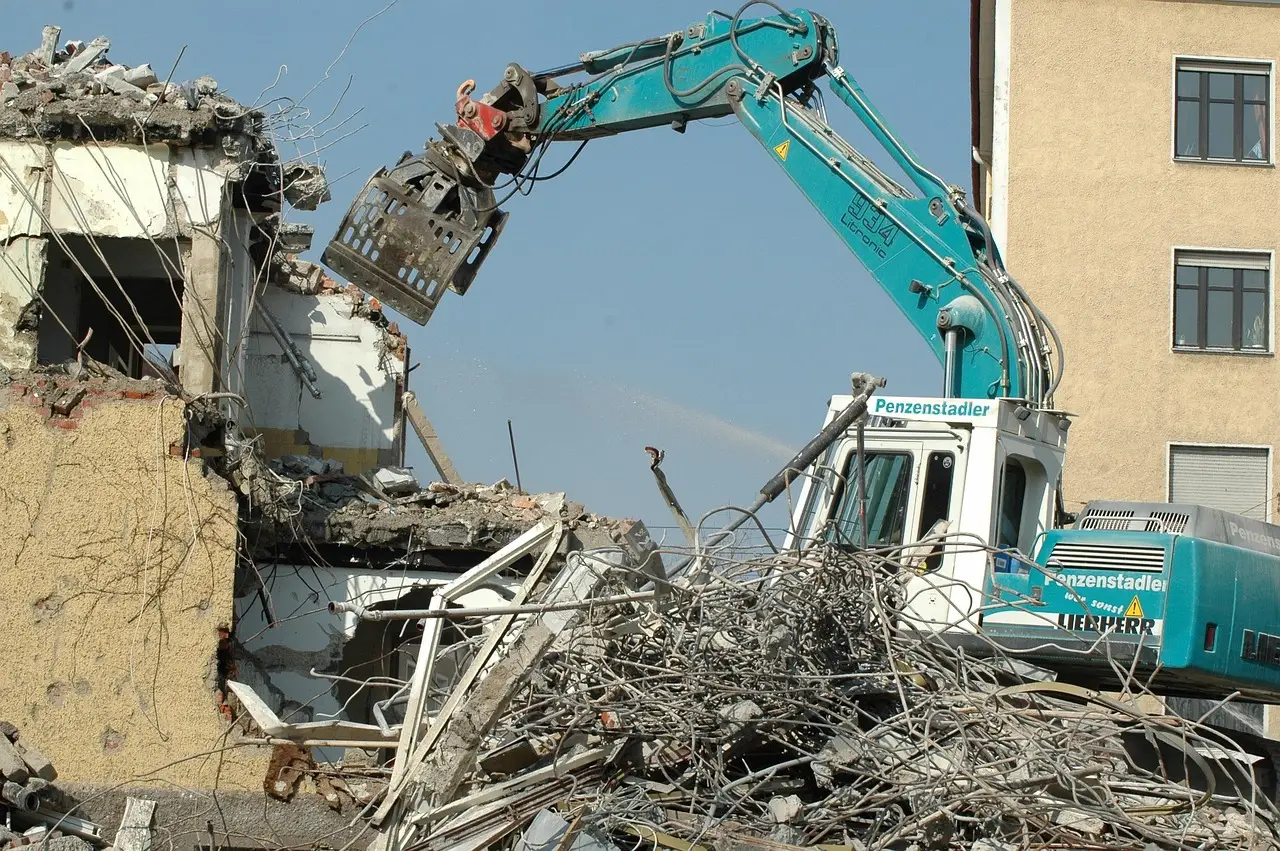
Kobelco has operated a hydraulic excavator by remote control at a debris removal site near Kyiv, completing a two-day verification test on 11 and 12 November 2026 that the company treats as the first step toward deploying teleoperation across Ukraine's recovery sites.
Kobelco Construction Machinery Co., Ltd. (KCM) and its European subsidiary Kobelco Construction Machinery Europe B.V. (KCME) ran the trial under a Memorandum of Understanding signed with the United Nations Development Programme (UNDP) in June 2026. The MoU commits the parties to verifying the K-DIVE® teleoperation system at UNDP debris removal sites in Ukraine.
How the trial worked
A local operator controlled the excavator from a dedicated K-DIVE® cockpit installed at the office of a local partner company, away from the worksite. The setup mirrors K-DIVE® operations in Japan. The operator completed the planned sequence of debris removal tasks remotely, without boarding the machine.
The test covered more than the equipment. The companies checked local operating procedures, including operator training, and gathered the technical and operational knowledge needed to run K-DIVE® in Ukraine. On-site verification will continue, and KCM and KCME will work with local partners to build the operational and support framework that safe and reliable use of the system requires.
Partners in the trial were UNDP, Trade Group PROMTEHSERVICE LLC and ENERGY AND ROAD CONSTRUCTION, LLC.
What local stakeholders saw
The companies held a demonstration event for local stakeholders during the test period. Participants watched the remote operation in action and discussed possible future applications. Their feedback showed high expectations for K-DIVE® and confirmed the potential of remote construction technology in Ukraine, according to KCM.
Why rubble removal needs remote machines
Ukraine faces an urgent challenge in processing large volumes of construction and disaster debris quickly and safely. Health and safety risks from asbestos in the debris, combined with labour shortages, have created demand for working methods that are both safe and efficient. Remote operation keeps operators out of hazardous areas entirely.
Japan's Ministry of Land, Infrastructure, Transport and Tourism (MLIT) set up the Japan–Ukraine Platform on the Infrastructure Technology for Recovery and Reconstruction (JUPITeR) in January 2025 to help Japanese companies take part in Ukraine's infrastructure recovery and reconstruction, and has continued to support related initiatives since.
The road from Kobe to Kyiv
KCM joined JUPITeR activities by invitation and took part in two public–private missions to Ukraine, including a preliminary survey in July 2025. In October 2025, the company demonstrated K-DIVE® by connecting Taras Shevchenko National University of Kyiv with construction machinery in Kobe, Japan, approximately 8,000 km away.
Following an introduction by MLIT, KCM signed the MoU with UNDP in June 2026 to verify K-DIVE® operation at UNDP debris removal sites. Since then, KCM and KCME have applied remote construction technology to create a working environment in which local operators can work safely and efficiently without entering hazardous sites. The November test forms part of that effort.
What comes after the pilot
KCM has offered K-DIVE® commercially since 2022. The system lets operators control hydraulic excavators from a dedicated cockpit away from the worksite, without boarding the machine. Since launch, it has reduced the need for personnel to enter hazardous work areas, improving both safety and productivity, the company reports. It also allows flexible working arrangements not tied to a particular location or time and helps open the work to a more diverse workforce. These benefits have attracted strong interest from a range of worksites.
KCM plans to keep applying K-DIVE® technologies and expertise developed on Japanese sites to reduce the need for operators to enter hazardous areas and to support safer, more sustainable working environments. KCM and KCME aim to deploy K-DIVE® locally and contribute to Ukraine's infrastructure recovery and reconstruction.
The next milestone is continued on-site verification and the build-out of the local operational and support framework agreed under the June 2026 MoU — the work that will decide whether the Kyiv trial becomes standing capacity at UNDP debris removal sites.
via waste-management-world.com (Source)
More from Rebecca Stone
Show full bio
News editor covering companies, deals and strategy in Circular economy and the environmental industry at Circular Wire.
523 articles