Waste Management Business
Lagos Residents Report Two-Year Gaps in LAWMA Waste Collection
Apapa residents report no LAWMA PSP waste operator for over two years as October sanitation exercise exposes collection gaps, blocked drains and rising flood risk across Lagos districts.
Waypoints
An Apapa resident reported no LAWMA PSP waste operator in her neighbourhood for more than two years.
Lagos's monthly environmental sanitation programme resumed in March 2026.
One resident spent over two hours manually clearing a blocked drainage channel in Apapa.
Head of Service Bode Agoro warned during the October exercise against dumping refuse into canals.
Government says affected canals will be cleared and one drainage channel reconstructed.
Residents of Apapa say they have not seen a Lagos State Waste Management Authority (LAWMA) Private Sector Participation operator in their neighbourhood for more than two years, according to complaints raised during Lagos State's October environmental sanitation exercise.
The testimony came from Yagazierem Igwe, a resident along Apapa Road, who said occupants of her building pay monthly contributions toward cleaning their surroundings. Traders in a nearby market also fund sanitation work before opening business each month. The money has not bought reliability: waste collection charges are rising, evacuation is delayed, and refuse is accumulating in the area.
Her account was not isolated. Residents in Apapa, Mushin and Ogba used the October exercise to flag irregular refuse evacuation, inadequate disposal facilities and blocked drainage channels as persistent problems across the commercial and residential districts.
What happens when formal collection disappears?
Households fill the gap with private arrangements. Some Apapa residents said they engage cart pushers when scheduled collection fails to arrive. In Mushin, residents identified collection points that fill quickly, pushing people to dump waste on roadsides and around residential buildings.
The pattern carries a plain lesson: community participation cannot substitute for consistent service delivery in densely populated areas.
Blocked drains and the flooding bill
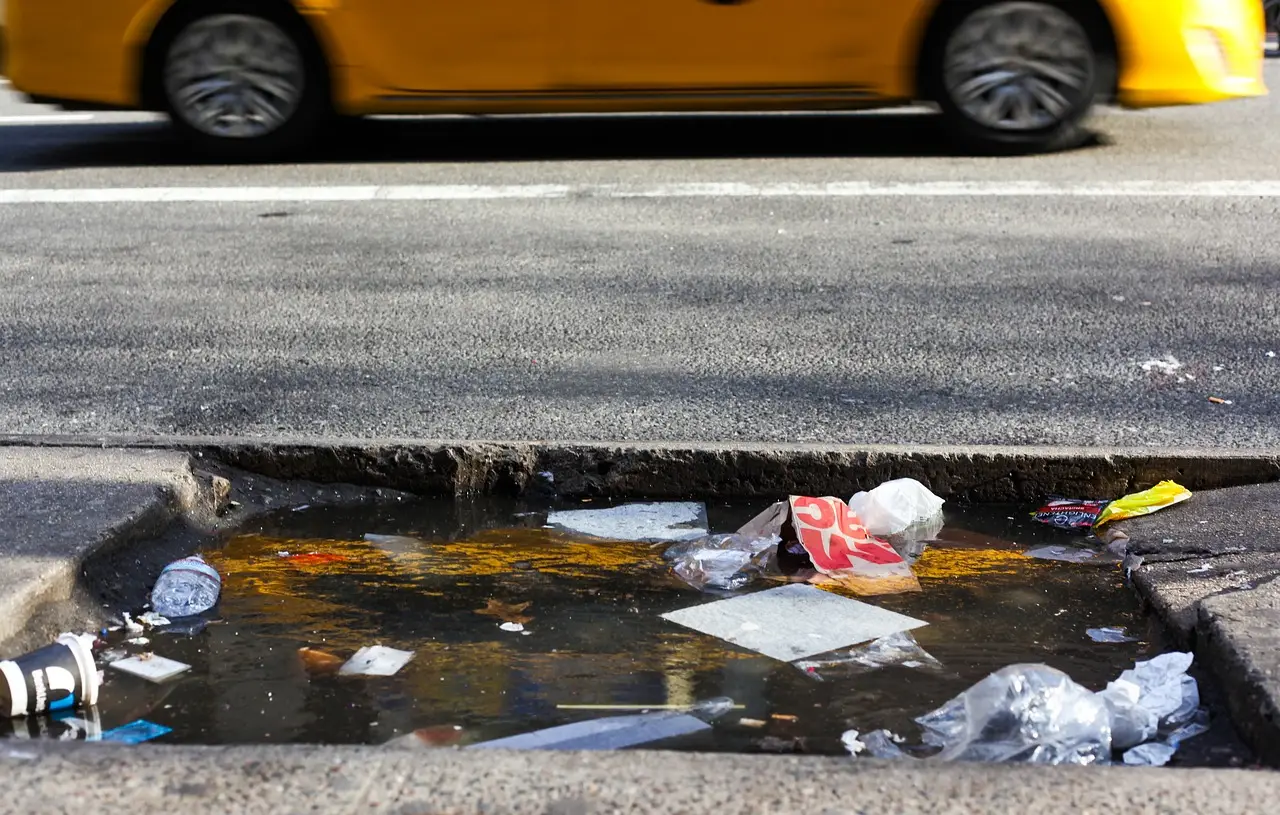
Drainage maintenance emerged as the second major complaint. Roseline Ogbuagu, an Apapa resident, said she spent more than two hours clearing a blocked drainage channel outside her compound. She blamed indiscriminate disposal of plastic cups and other refuse for obstructing water flow, and alleged that construction activity had obstructed an earlier drainage passage.
Mushin residents called for government intervention on drainage channels and sewage systems, warning that heavy rainfall plus blocked drains equals floodwater in homes, businesses and roads. The costs land on property owners: damaged buildings, disrupted commerce and rising maintenance bills.
Residents ask for bins, not lectures
Apapa residents called for more public waste bins around bus stops and busy commercial locations, where commuters currently dispose of waste indiscriminately. Mushin residents urged the government to provide larger waste containers at commercial junctions, guarantee regular evacuation of collection points, and reconstruct and widen major drainage channels.
The requests carry an implicit verdict on enforcement. Warning residents against indiscriminate dumping has limited effect where households and businesses lack accessible, dependable disposal services.
What is the state actually doing?
The monthly environmental sanitation programme resumed in March 2026 and continues. During the October exercise, Lagos Head of Service Bode Agoro warned residents against dumping refuse into canals and drainage channels, saying the practice undermines sanitation efforts and worsens flooding risks.
The government indicated that affected canals would be cleared and that plans were underway to reconstruct one drainage channel in consultation with relevant authorities.
Participation in October varied across the communities visited. Some residents reported regular weekly cleaning; others described inconsistent involvement.
Why the property market is watching
The sanitation deficits carry direct implications for real estate. Persistent refuse accumulation, blocked drains, odours and recurring flooding make communities less desirable places to live and do business, raise maintenance costs, and threaten the long-term value of buildings and access roads.
For developers and investors, reliable waste collection and functional drainage are core neighbourhood infrastructure, not amenities.
What decides what happens next
Lagos faces a test beyond exhortation: whether LAWMA restores visible PSP collection in districts such as Apapa, whether promised canal clearing and drainage reconstruction are delivered, and whether the monthly exercise gives way to sustained evacuation, operator monitoring and infrastructure investment.
Until then, residents will keep paying twice — once in monthly contributions, and once in flood risk.
via Google News: Waste management companies (Source)
More from Olivia Hart
Show full bio
Staff writer covering regulation, policy and their impact on Circular economy and the environmental industry at Circular Wire.
474 articles