Industrial Decarbonization
LEGO Feeds E-Methanol Into Plastic Production for 90+ Elements
LEGO Group now uses e-methanol from a Danish Power-to-X plant — renewable hydrogen plus captured CO2 — in more than 90 rigid elements, cutting fossil feedstock.
Waypoints
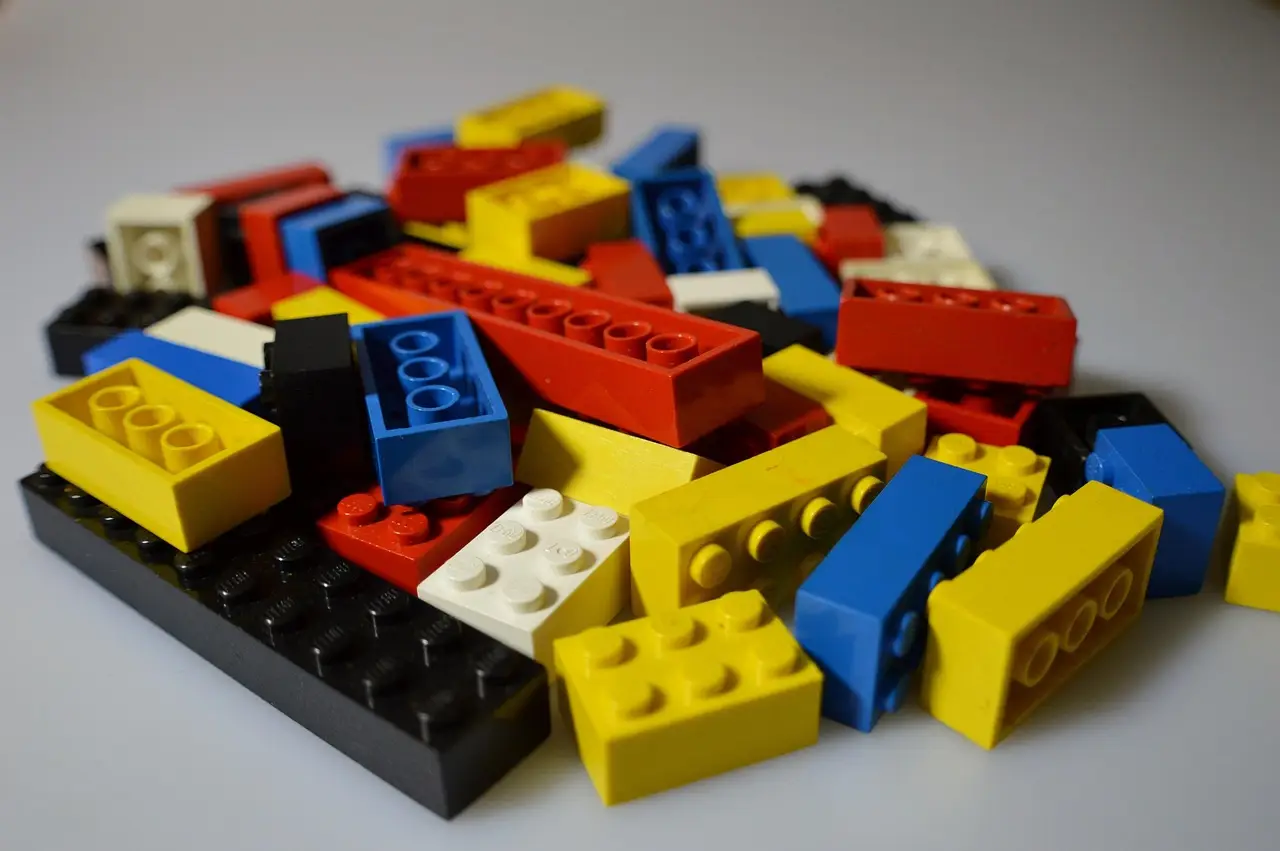
LEGO uses e-methanol in more than 90 rigid elements including cross axles, connectors and Minifigure hands
The Denmark-based Power-to-X plant began operations last year under a 2023 agreement with European Energy
The e-methanol carries up to a 97% reduced carbon footprint versus fossil-based products
LEGO bricks reached 52% renewable and recycled content in 2025, up from 33% in 2024
LEGO targets more sustainable materials across its products by 2032
LEGO Group has begun producing more than 90 robust and rigid elements — cross axles, connectors, steering wheels and Minifigure hands — from material made with e-methanol derived from renewable electricity, water and captured CO2. The Danish toymaker confirmed the milestone this week, capping more than five years of testing, learning and scaling work on the feedstock.
The material flows from a Power-to-X plant in Denmark operated by clean energy provider European Energy, which began operations last year and combines captured biogenic CO2 with green hydrogen produced on-site using renewable electricity. The resulting e-methanol carries up to a 97% reduced carbon footprint compared to fossil-based products, according to the company.
Where does the material come from?
The supply chain traces back to an agreement LEGO Group announced with European Energy in 2023 for delivery of e-methanol from the new Danish facility. The plant was the first of its kind to ship commercial e-methanol, with LEGO, Maersk and Novo Nordisk among the early offtakers.
Its chemistry is straightforward in outline. Renewable electricity splits water into green hydrogen on-site. Captured biogenic CO2 then combines with that hydrogen to synthesize methanol, which enters plastics production as a drop-in feedstock rather than a fossil derivative.
What does the integration actually look like?
Full replacement of virgin fossil material is not yet the operating model. LEGO described the rollout as a hybrid loop, and a company statement spelled out the engineering constraint:
"It's been a complex journey. The challenge has not only been identifying a renewable alternative, but also working with suppliers to integrate the new material into existing manufacturing infrastructure and production methods. As such, the e-methanol is fed into a continuous production loop where virgin fossil is also present. This allows us to begin scaling the solution whilst reducing our use of virgin fossil."
In practice, LEGO is running mass-balance-style integration: the renewable molecule enters the same production loop as virgin fossil feedstock, letting the company scale volumes while incrementally cutting fossil demand. The 90-plus elements now in scope are the rigid, load-bearing components — cross axles, connectors, steering wheels, Minifigure hands — rather than the classic studded brick.
How far along is LEGO's materials transition?
The company set a 2032 deadline to make its products from more sustainable materials, defined as those produced using renewable or recycled resources. Progress is measurable and accelerating. LEGO reported earlier this year that its bricks reached 52% renewable and recycled content in 2025, up from 33% in 2024.
That 19-percentage-point jump in a single year makes the 2032 target look achievable on current trajectory, but the e-methanol integration shows the harder engineering problem underneath the headline number. Identifying a renewable alternative took years; threading it through existing tooling, molds and continuous production lines took longer still.
What happens next?
The variable to watch is the balance point in the production loop. As European Energy's Danish plant ramps output, the share of e-methanol versus virgin fossil in LEGO's feedstock mix becomes the concrete measure of scale-up — and a test case for whether Power-to-X chemicals can serve consumer-goods manufacturing at industrial volumes before the 2032 deadline arrives.
via ESG Today (Source)
More from Grace Kim
Show full bio
Market editor covering money, funding and market shifts around Circular economy and the environmental industry at Circular Wire.
499 articles