Industrial Decarbonization
Microalgae-Based Carbon Capture Technology Enters Commercial Launch
ANTARA Foto documents the launch of microalgae-based carbon capture technology in Indonesia, moving biological CO2 fixation from pilot concept to deployed system.
Waypoints
A microalgae-based carbon capture technology has officially launched, documented by Indonesian news agency ANTARA Foto.
The system fixes CO2 via photosynthetic microorganisms, converting captured carbon into algal biomass.
No operating figures — capture tonnage, cost per tonne, or facility identity — have been disclosed with the launch.
Indonesia's carbon exchange, launched in 2023, provides potential market infrastructure for verified capture volumes.
A microalgae-based carbon capture technology has officially launched, according to a report from Indonesian national news agency ANTARA's photo desk. The announcement moves the biological capture approach from the pilot concept stage into an operating deployment — a category shift that matters for hard-to-abate industrial emitters evaluating capture pathways beyond amine scrubbing.
The item confirms the launch event itself but provides limited engineering detail. Here is what the announcement establishes, and what it does not.
What has actually been deployed?
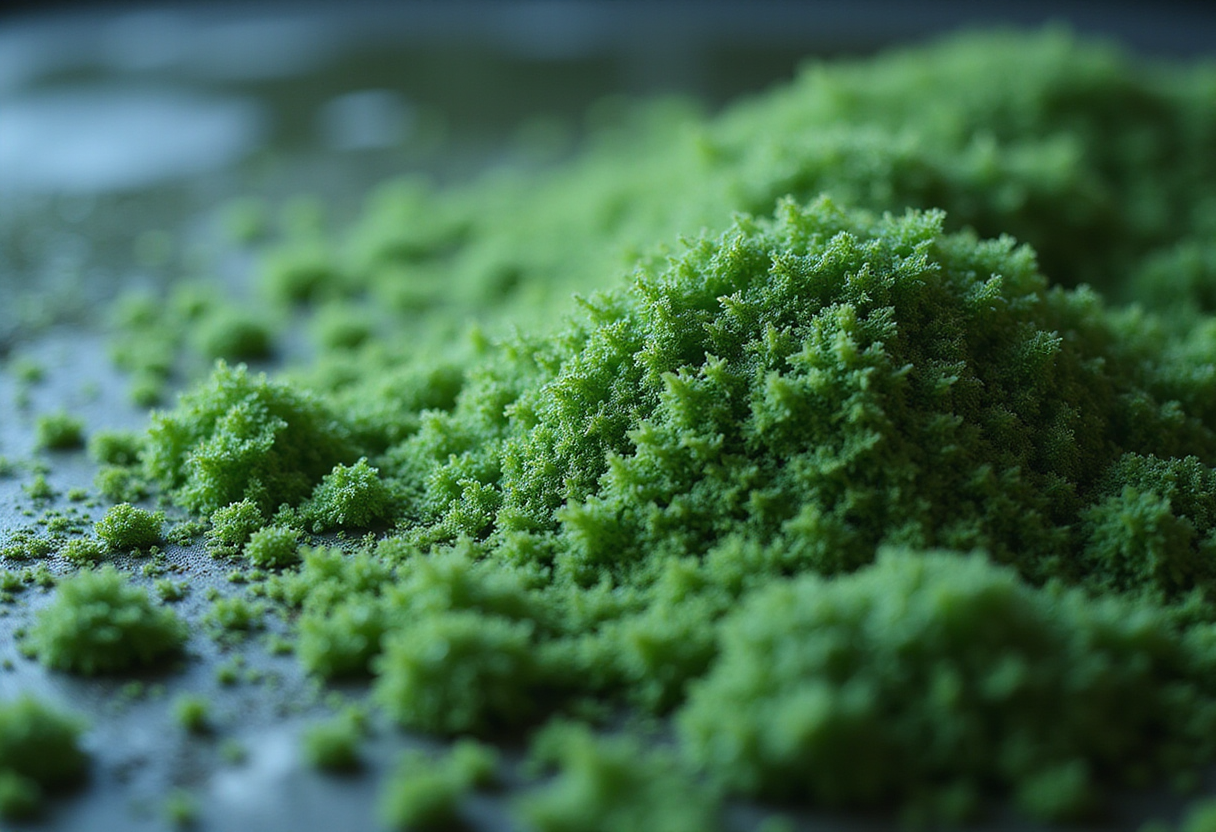
The technology uses microalgae — photosynthetic microorganisms that fix CO2 as biomass — as the capture medium. Unlike solvent-based systems that require thermal regeneration, microalgae systems convert captured carbon into algal biomass, which can then route into downstream applications such as feed, fertilizer inputs, or bio-based materials.
ANTARA Foto documented the launch, which signals a formal commercial or demonstration milestone rather than a laboratory result. Indonesia's interest in the pathway is consistent with the country's tropical growing conditions and its position among the world's larger emitters, with sectors including power, cement, and palm-oil processing generating concentrated CO2 streams that biological capture can target.
What the announcement does not specify, at this stage:
- Tonnage of CO2 captured per year at the launched facility
- Physical footprint of the reactor or pond system per tonne captured
- Capital and operating cost per tonne of CO2
- The identity of the industrial host site supplying flue gas
- Whether biomass output enters a certified utilization or storage pathway
Those parameters will determine whether the deployment registers as a genuine decarbonization asset or remains a demonstration-scale showcase.
Why microalgae capture is drawing industrial attention
Biological capture occupies a niche distinct from engineered direct air capture and point-source solvent systems. Its economics scale with available light, CO2 concentration in the feed gas, and biomass offtake value. Where amine systems face energy penalties typically running into the gigajoule range per tonne of CO2, microalgae systems trade that thermal load for land, water, and downstream processing requirements.
The utilization angle is the critical variable. If the resulting algal biomass displaces fossil-derived products — animal feed ingredients, bioplastics feedstock, or soil amendments — the captured carbon carries a credit that improves the effective cost per tonne. Without a contracted offtake, the biomass becomes a waste management liability that erodes the project's carbon accounting.
How does this fit Indonesia's carbon framework?
Indonesia operates a compliance architecture that increasingly rewards verified capture: a national carbon exchange launched in 2023 under Bappenas oversight, a carbon tax regime in development, and a cap-and-trade system covering the power sector. Projects that can register verified capture and utilization volumes gain access to that market infrastructure.
For a microalgae deployment, the verification question is decisive. Regulators and credit buyers will want metered CO2 intake, biomass fate tracking, and permanence assumptions — all of which are harder to document for a biological pathway than for injected geologic storage. The launch announcement precedes any disclosure of such documentation.
What comes next
The milestone to watch is first published performance data: tonnes of CO2 fixed, biomass yield, and any registered carbon credit issuance. Until the operator discloses those figures with an identifiable facility and verification body, the launch stands as an announced deployment rather than measured built capacity — a distinction this desk will continue to track as Indonesia's carbon market instruments tighten.
Companies and agencies behind the deployment have not yet filed operating figures publicly. When they do, the numbers will settle whether microalgae capture in tropical conditions can compete on cost with incumbent capture routes, or whether its value proposition depends entirely on biomass revenue.
via Google News: Industrial decarbonization (Source)