Industrial Decarbonization
Mining Waste Takes Center Stage at COP31 as Carbon Removal Feedstock
COP31 panelists in Antalya cast mining waste as feedstock for carbon removal, with Anglo American's Brazil slag project and MCi Carbon's mineralisation route competing for capital and buyers.
Waypoints
Anglo American's Project Earthstone in Brazil tests magnesium-rich smelter slag for enhanced rock weathering
MCi Carbon combines captured industrial CO2 with mineral feedstocks to produce stable solid carbonates for manufacturing
COP31 panel in Antalya identified financing, reliable offtake agreements and stronger commercial demand as scaling barriers
Speakers included Anglo American, MCi Carbon, RMI and Standard Charterre, moderated by CDR2030
Mining waste moved onto the COP31 agenda in Antalya this month, framed by industry speakers not as a liability but as an abundant feedstock for carbon removal and mineralisation technologies. The session, titled "How Mining Can Deliver Carbon Removal at Scale," assembled Liam Candy of Anglo American, Marcus Dawe of MCi Carbon, Thomas Koch Blank of RMI and Chris Leeds of Standard Chartered, with Cara Maesano of CDR2030 moderating.
The panelists agreed on the material premise and divided on little else. Turning industrial by-products into commercially viable climate solutions will require technology, investment and dependable buyers, the speakers said — three conditions the sector has not yet met at scale.
How does a miner turn slag into removals?
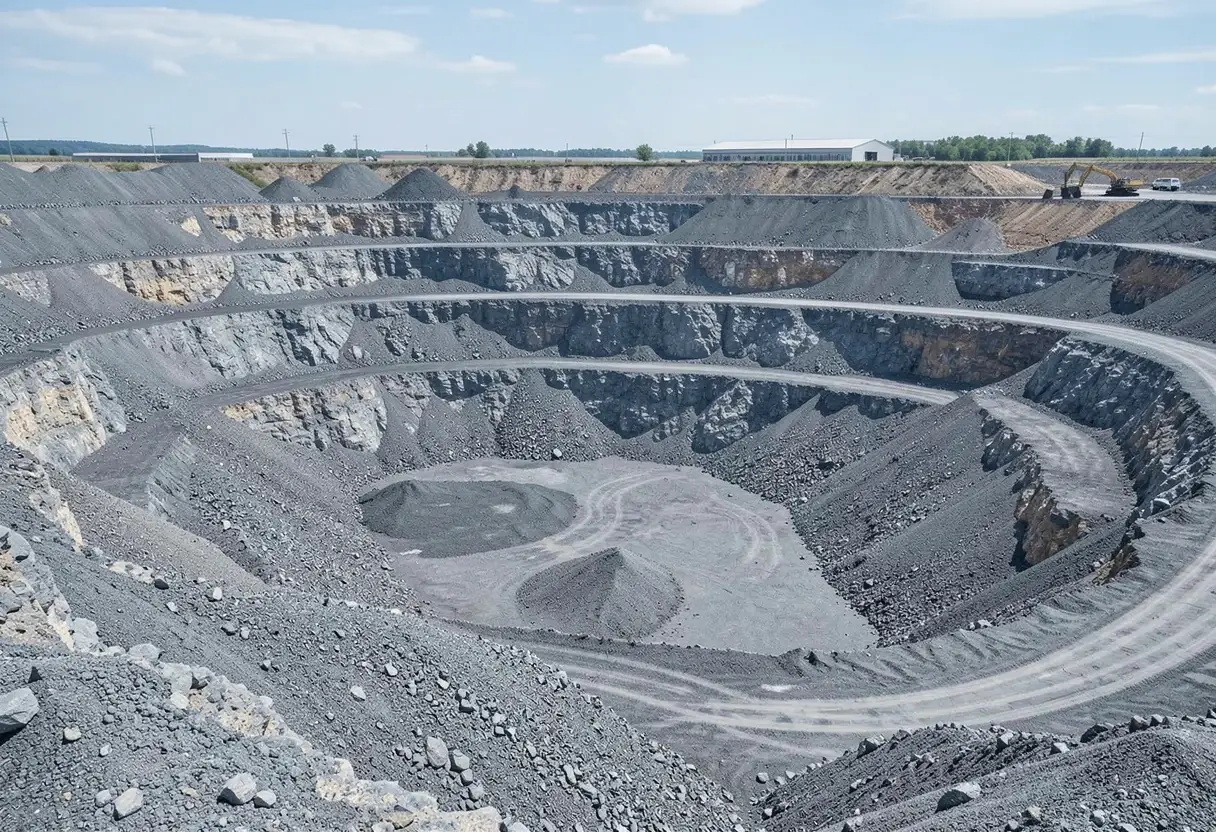
Candy presented Anglo American's Project Earthstone in Brazil, which explores the use of magnesium-rich smelter slag in enhanced rock weathering. The approach accelerates natural processes that remove CO2 from the atmosphere while making use of material the company's mining operations already generate.
The project sits within a broader corporate push by Anglo American into verified carbon markets. The company has previously partnered with Isometric and ZeroEx to deliver verified carbon credits, an arrangement that signals how mining firms intend to monetise durable removals.
Dawe, MCi Carbon's CEO and co-founder, outlined a different route. His company's mineral carbonation technology combines captured industrial CO2 with mineral feedstocks to produce stable solid carbonates. Those solids can then enter products and manufacturing, offering a pathway that converts both industrial emissions and mineral resources into commercial materials rather than waste.
What stands between pilot and plant?
The barriers the panel named were financial rather than chemical. Leeds, speaking for Standard Chartered, focused on the capital constraints facing emerging carbon removal technologies. Developing projects at scale requires capital, credible long-term demand and offtake agreements that reduce investment risk.
Financial institutions and corporate buyers, he argued, carry the decisive weight in moving these technologies from demonstration projects to commercial deployment. Without bankable purchase commitments, developers cannot finance the plants that would convert mining by-products into removals at volume.
Koch Blank of RMI added a caution on claims. He addressed mining's role in supplying materials and infrastructure for carbon removal, and stressed the importance of assessing each project and its potential to deliver durable climate benefits. The discussion underscored that mining-related carbon solutions are not a single technology: enhanced rock weathering, mineral carbonation and other approaches carry different pathways, requirements and climate claims.
What decides what happens next?
Scaling will depend on three things the sector can measure. Robust measurement and verification must underpin any credit generated from slag or carbonates. Viable business models must connect mining's material resources with the growing need for durable carbon management. And offtake agreements, the instrument Leeds identified, must convert corporate interest into contracted demand.
For now, Project Earthstone in Brazil remains the reference case for enhanced rock weathering on mining waste, and MCi Carbon's solid carbonates mark the competing mineralisation route. The milestone that determines whether either reaches commercial scale is not another panel. It is the first bankable offtake agreement large enough to finance a full-scale facility — the commitment the Antalya speakers said the sector still lacks.
via mcicarbon.com (Original)
More from Grace Kim
Show full bio
Market editor covering money, funding and market shifts around Circular economy and the environmental industry at Circular Wire.
540 articles