Waste Management Business
Montenegro puts €40 million behind waste management reform
Montenegro’s €40 million World Bank-backed reform targets utility capacity, a €16.5 million Nikšić waste center and 11 hectares of landfill rehabilitation in Zeta.
Waypoints
€40 million World Bank-supported waste management reform launched in Montenegro.
€16.5 million allocated to the planned Regional Waste Management Center in Nikšić.
The Nikšić center is intended to support four named municipalities and create around 40 new jobs.
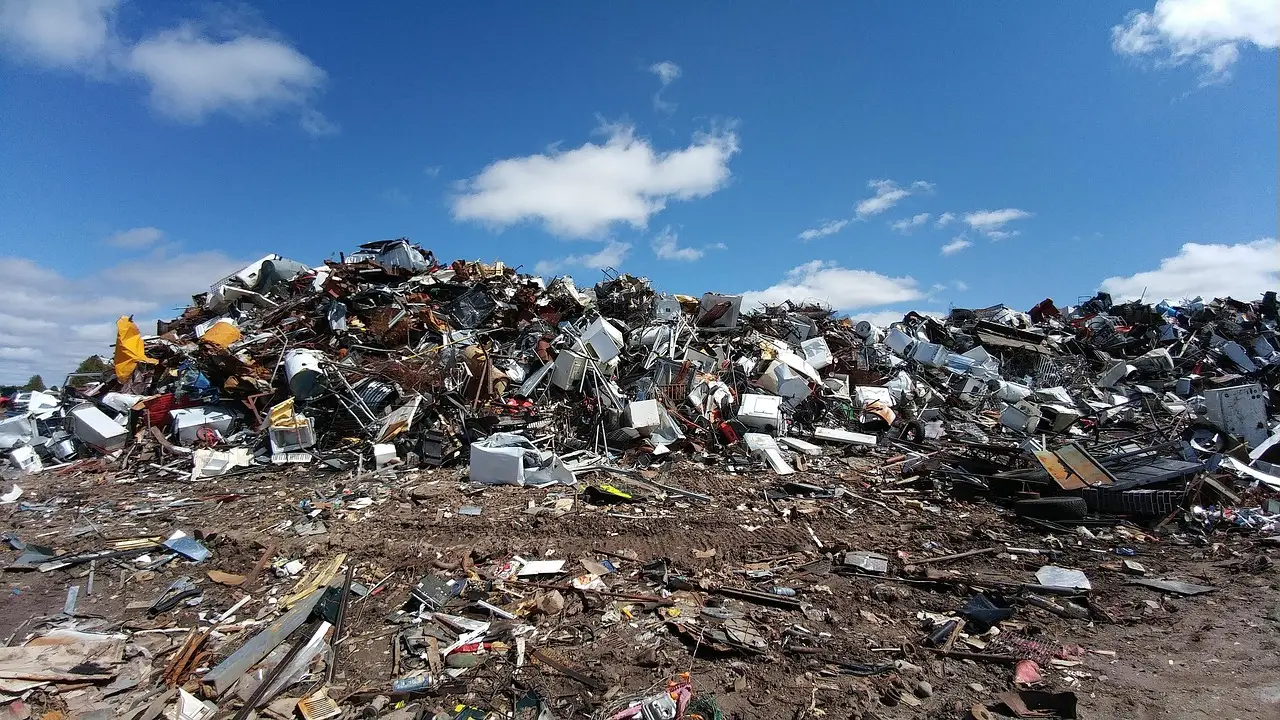
Zeta landfill rehabilitation covers around 11 hectares and is intended to protect the area including Lake Skadar.
The €40 million program combines utility upgrades, new equipment and alignment with EU standards.
€40 million will fund Montenegro’s waste-management reform, with World Bank support aimed at turning years of infrastructure and recycling gaps into a program covering utility upgrades, new equipment and missing waste infrastructure.
By Elena Vasquez
At the kickoff conference for “From Reform to Results: Building a Modern Waste Management System in Montenegro,” Minister Damjan Ćulafić identified three key aims: strengthen local utility companies, purchase new equipment, and improve waste-management planning and organization. He also said the package would enable construction of missing infrastructure.
His diagnosis was direct: “Insufficiently developed infrastructure, outdated equipment of utility companies, insufficient capacities for recycling and waste processing, as well as numerous undeveloped locations, are problems we have been facing for years,” Ćulafić said.
For utility operators, the distinction is material. A policy reform alone does not add treatment or recycling capacity; the program changes daily operations only if municipalities can procure modern equipment and put the planned facilities into service.
What will the Nikšić center add?
The government has allocated €16.5 million for the planned Regional Waste Management Center in Nikšić. That earmark represents roughly two of every five euros in the overall €40 million envelope, making it the largest named allocation disclosed at the kickoff.
Ćulafić said the center would provide better conditions for waste treatment, recycling and composting, reduce the amount of waste sent to landfills and create around 40 new jobs. He said the facility would be significant for Nikšić, Šavnik, Plužine and Žabljak, with the possibility of including other municipalities later.
For planners and contractors, the scale is clearer than the operating specification: the announcement gives no design throughput, feedstock mix or commissioning date. Until those numbers and a delivery schedule emerge, treat the center as announced capacity rather than an operating asset.
Ćulafić also cited steps already taken with the Electric Power Company of Montenegro and the Municipality of Nikšić. He expects implementation of the center investment to accelerate, but his statement does not identify a construction start date or procurement timetable.
Why does the Zeta landfill matter?
The reform also includes rehabilitation of the landfill on the site of the former Aluminum Plant in Zeta. The planned work covers around 11 hectares, according to Ćulafić, who said the project should reduce risks to human health and the environment and protect the area, including Lake Skadar.
For environmental and waste officials, that 11-hectare footprint gives the reform a measurable physical scope. The announcement does not quantify the waste to be removed, specify treatment methods or identify the intended use of the land after rehabilitation.
What does the World Bank bring?
World Bank Program Coordinator in Montenegro Denis Mesihović said the institution remains committed to supporting the government’s environmental-protection reforms, sustainable management of natural resources and climate-change resilience. He described the partnership as a combination of institutional strengthening and investment that aligns with European Union standards.
Environment Practice Manager Gajana Minasyan tied that approach to public outcomes: cleaner, healthier communities, more reliable services and better protection of Montenegro’s natural resources.
Minasyan said: “This project represents much more than just building waste management infrastructure. It brings together stronger institutions, modern waste management services, and concrete investments aimed at reducing pollution and achieving lasting benefits for citizens and the environment.”
For waste utilities, the bank’s role means the operating model matters as much as concrete. Equipment procurement, institutional capacity and service reliability now sit on the same delivery path as construction at Nikšić and rehabilitation at Zeta.
What decides the next phase?
Ćulafić said successful delivery requires cooperation among state institutions, local governments and utility companies. That coordination is the near-term execution risk: national funding and policy goals cannot deliver recycling, composting or landfill rehabilitation unless local operators can procure, operate and maintain the assets.
Mesihović’s reference to European Union standards sets the stated alignment benchmark. The kickoff announcement, however, sets no tender date, permit deadline, throughput figure or commissioning date. For suppliers and municipal operators, the next proof point is the move from allocation to procurement, construction and commissioning.
The decisive milestone is the transition from EU-aligned policy and allocated money to physical delivery; until then, Montenegro has a financed reform rather than added waste-management capacity.
via Google News: Waste management companies (Source)
More from Elena Vasquez
Show full bio
Senior reporter covering technology and product news in Circular economy and the environmental industry at Circular Wire.
471 articles