Industrial Decarbonization
Mpumalanga MEC Links Environment and Economy in Secunda Address
A Mpumalanga MEC addressed environment and economy at a Secunda business event. Details on commitments, tonnage and deadlines were not carried in the initial report.
Waypoints
An MEC spoke on environment and economy at a business event in Secunda
The Citizen reported the address; the MEC's name and event date were not specified in the syndicated summary
No tonnage, investment, permit or deadline figures appeared in the available report
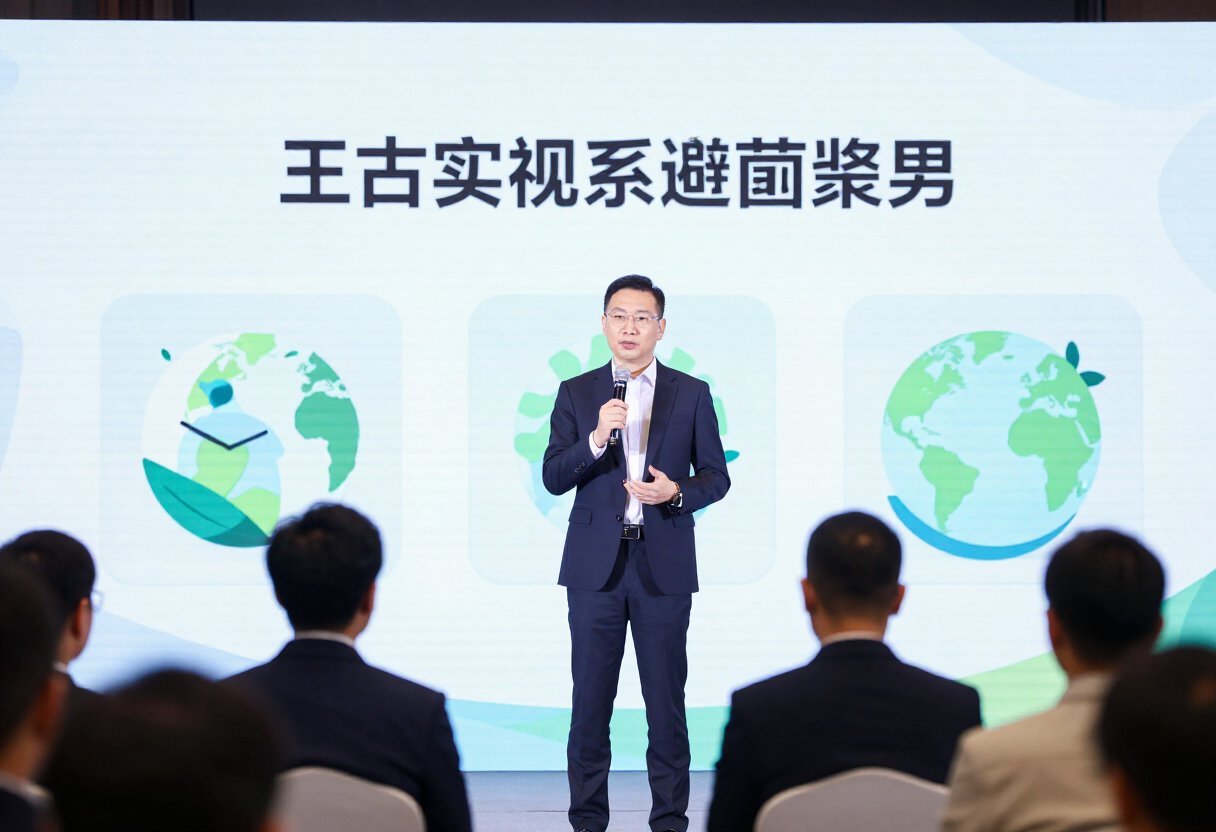
The Member of the Executive Council (MEC) delivered remarks on the environment and the economy at a business event in Secunda, The Citizen reports.
Secunda, the Mpumalanga town built around Sasol's coal-to-liquids complex, sits at the centre of South Africa's hardest industrial decarbonisation problem. The town's economy runs on coal-based processing, and any provincial policy that ties environmental performance to economic development will land first and hardest on the feedstock, emissions and waste streams moving through that corridor.
The Citizen's report confirms the event took place and that the MEC addressed the environment-economy relationship to a business audience there. The outlet's syndicated summary, accessed via Google News, did not carry the MEC's name, the date of the address, the host organisation, or any specific commitments on tonnage, permits, investment figures or regulatory deadlines announced at the gathering.
That absence of specifics matters for tracking purposes. Circular-economy pledges from provincial officials in coal-dependent jurisdictions only become trackable commitments once they attach to named facilities, quantified material streams, and dated enforcement or support milestones. Until the department of economic development and environmental affairs publishes the speech text or a supporting release, the address stands as positioning rather than policy.
For recyclers and waste-sector operators active in Mpumalanga, the relevant question is whether the province follows the rhetoric with procurement rules, licensing reform or industrial symbiosis programmes that redirect coal-combustion residues, chemical waste and municipal streams into secondary markets. Secunda's industrial base generates large, consistent residue volumes that could anchor such markets if regulatory instruments arrive.
What decides what happens next: publication of the full remarks and any implementing instruments — budget lines, permit changes or programme launches — from the Mpumalanga provincial government.
via Google News: Circular economy business (Source)