Waste Management Business
Nashville Studies Pneumatic Underground Waste System for 1st Avenue
Nashville's Metro Waste Services is studying an ENVAC pneumatic collection system for downtown 1st Avenue, weeks after its first service-technology update in nearly a decade introduced AI to trash pickup.
Waypoints
Metro Waste Services is studying an ENVAC underground automated waste collection system, first along downtown 1st Avenue.
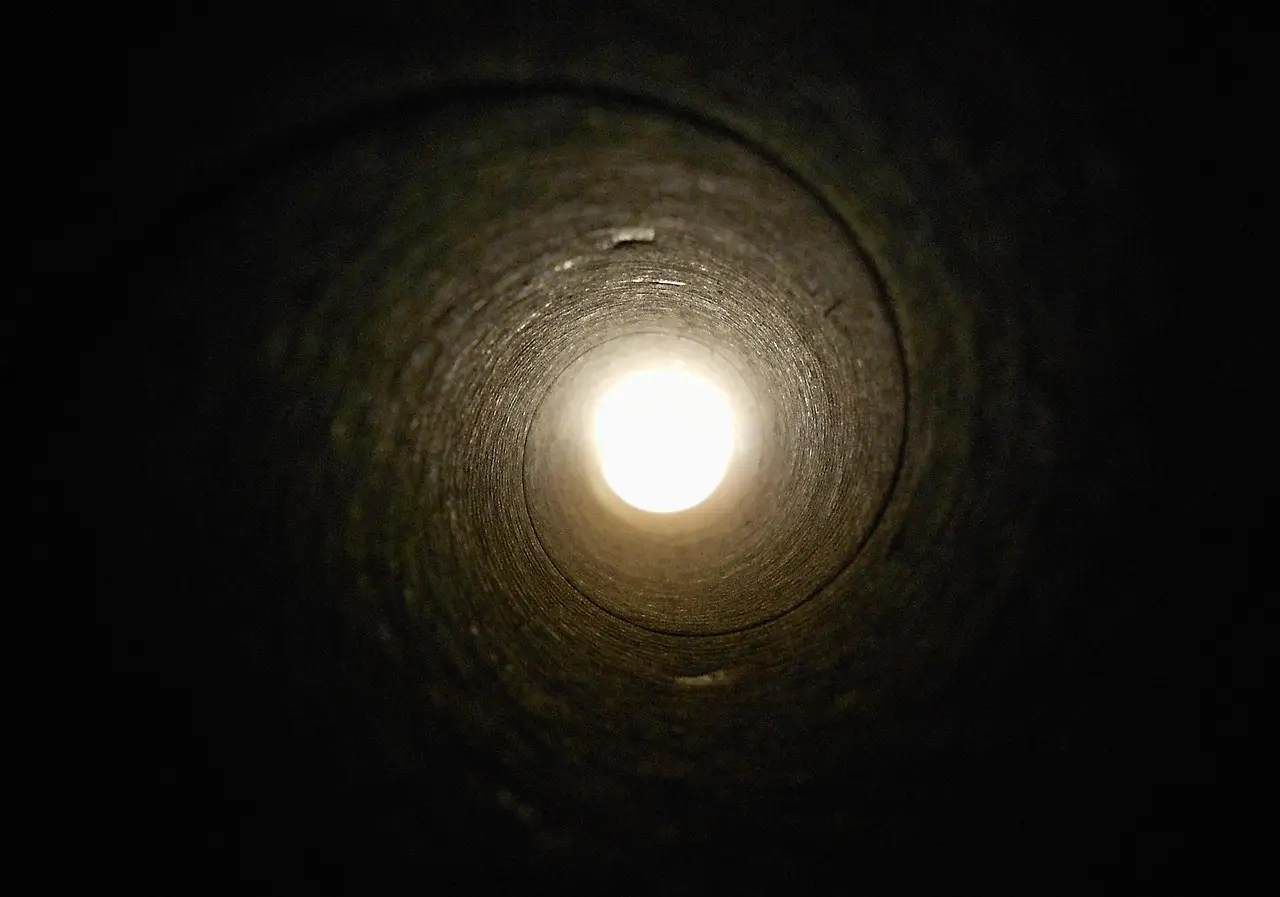
Director Tracey Thurman described fan-driven tunnels moving waste and recycling at 30 to 60 miles per hour.
MWS recently rolled out AI-assisted trash pickup, its first service-technology update in nearly a decade.
No cost estimate, capacity figure, or construction timeline has been disclosed for the tunnel concept.
The proposal was presented at a weekend Transportation and Infrastructure Committee meeting.
Nashville's Metro Waste Services is studying an underground, automated waste collection system for 1st Avenue in downtown, working with the international pneumatic-conveyance firm ENVAC on a concept the department says would be more convenient and cleaner than curbside bins.
The proposal remains at the study stage. No capacity figures, capital cost estimates, or construction timeline have entered the public record. What exists so far is a working concept and a stated intent to examine how the technology would function first along 1st Avenue, according to remarks MWS made at a weekend meeting of the Metro Council's Transportation and Infrastructure Committee.
How would the system move waste?
Director of Metro Waste Services Tracey Thurman described the mechanics at the committee session in plain terms.
"Essentially you've got a fan that's pulling that through the tunnel," Thurman said. "That's the waste is recycling, travel down the same tunnel using technology. Then it sorted and you're talking about the fans for processing that. And so it's moving 30 to 60 miles down through there."
The description, delivered in the compressed syntax of a live committee exchange, lays out the core of pneumatic collection as ENVAC deploys it: fans generate the airflow, waste and recyclables travel through a shared tunnel network, and sorting technology separates the streams for processing. Thurman's figure of 30 to 60 miles refers to the conveying speeds the system can sustain through the pipe network.
For downtown Nashville, the practical consequence MWS highlighted is the disappearance of large surface bins. Collection trucks would no longer need to service each address along 1st Avenue; material would instead enter the network at drop points and move to a central facility by air pressure.
What has already been built?
The underground concept follows an operating change, not the other way around. Metro Waste Services recently rolled out new trash pickup technology using AI, which the department characterized as the first update to the city service department's technology in nearly a decade.
That distinction matters for anyone tracking Nashville's waste infrastructure. The AI-assisted pickup deployment is built capacity, in service now on existing routes. The ENVAC tunnel system is an announced project under study, with no committed funding, no engineering filing, and no construction date attached.
ENVAC, the proposed partner, is an established international supplier of underground automated waste collection systems. The company's technology is deployed in cities and districts worldwide, where it conveys household and commercial waste through sealed pipe networks to collection terminals. Metro has not named a specific ENVAC installation as a reference case for the Nashville study.
Why 1st Avenue comes first
MWS said it is examining how the system would work along 1st Avenue before considering any wider rollout. The corridor sits in the downtown core, a district where density, pedestrian traffic, and tourism activity make conventional bin collection a recurring logistical burden and where removing large containers from the streetscape carries visible benefits.
The department framed the technology as delivering two outcomes: convenience and cleanliness. Both claims will face tests against engineering cost, tunnel routing under existing downtown utilities, and the operating expense of the fan and sorting infrastructure Thurman described.
What decides what happens next
The immediate milestone is procedural. The Transportation and Infrastructure Committee heard the concept; advancing it requires a formal study scope, cost estimates, and a funding decision from Metro government before any design or permitting work begins on 1st Avenue. Until Metro commits capital to an engineering study, the ENVAC system stays a concept, and Nashville's material stream keeps moving on trucks.
The AI pickup technology, by contrast, is already in the field, and its performance on live routes over the coming year will give the department its first measured baseline for how far its next decade of collection technology should reach underground.
via wasteadvantagemag.com (Source)
More from Rebecca Stone
Show full bio
News editor covering companies, deals and strategy in Circular economy and the environmental industry at Circular Wire.
550 articles