E-Scrap & Battery Recycling
NCC, NLNG back Nigeria e-waste forum over fast tech
NCC and NLNG support a November 26, 2026 Lagos forum targeting fast-tech waste, EPR enforcement and recovery channels for Nigeria’s growing gadget market.
Waypoints
The dialogue starts at 9:00 a.m. on November 26, 2026, at Welcome Centre Hotels in Ikeja, Lagos.
NCC and Nigeria LNG Limited declared institutional support for the 2026 forum.
The theme targets EPR and recovery systems for short-lived, low-quality consumer devices.
No recovery tonnage, producer list or implementation deadline has been announced.
By Grace Kim
At 9:00 a.m. on November 26, 2026, the ITREALMS E-Waste Dialogue will convene at Welcome Centre Hotels on International Airport Road, Ikeja, Lagos. Ogbuefi Remmy Nweke serves as the event’s convener and is group executive editor of ITREALMS Media.
ITREALMS Media Group, the organizer, said the meeting has drawn declared institutional support from the Nigerian Communications Commission (NCC) and Nigeria LNG Limited (NLNG).
The announcement does not identify either institution as a financial sponsor or attach tonnage, plant capacity, an investment sum or an implementation timetable to its support. It presents the NCC and NLNG as institutional backers of a policy forum, not as operators of announced recycling projects.
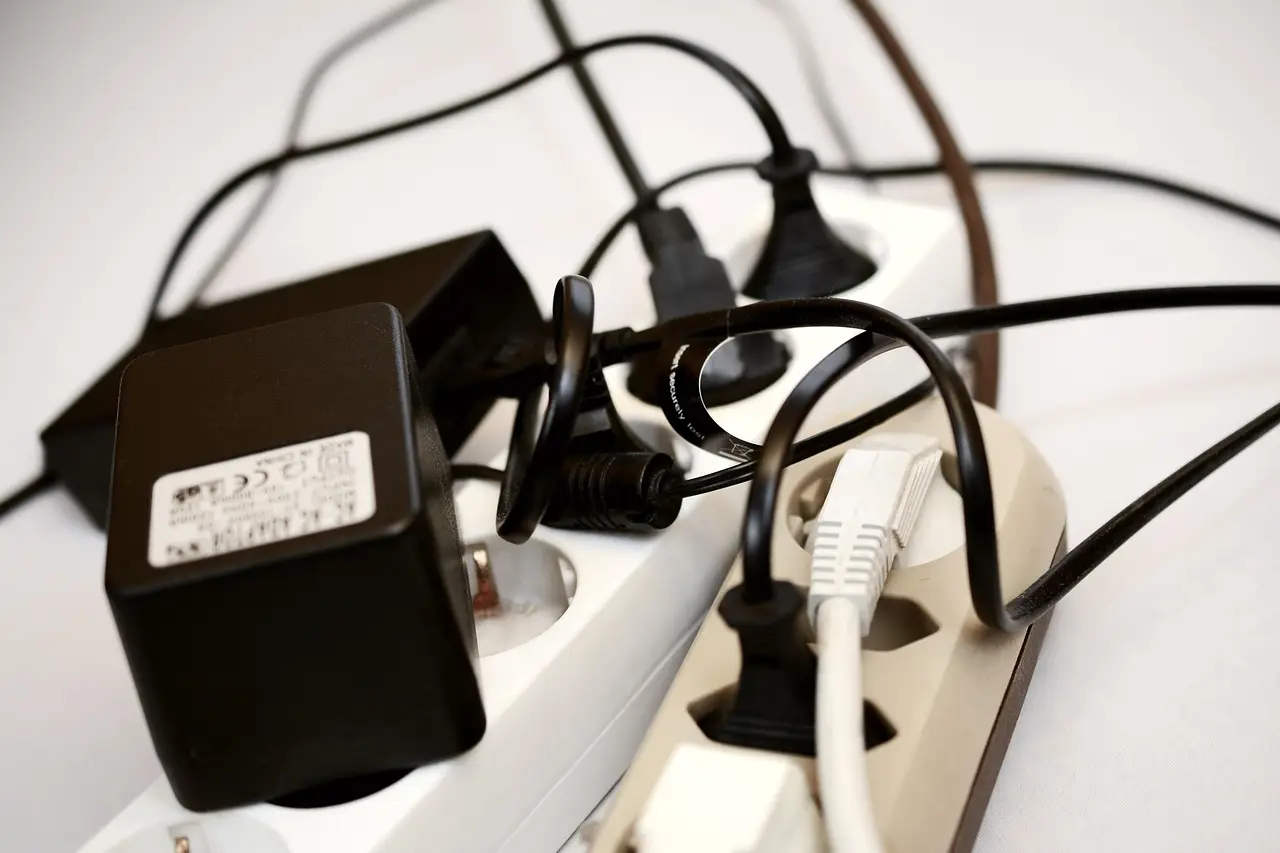
This year’s theme is “The ‘Fast Tech’ Threat: Strengthening EPR and Recovery Systems for Nigeria’s Small Gadget Surge.” The forum will focus on short-lived, low-quality consumer devices that quickly become electronic waste: substandard power banks, uncertified chargers, cables and small wireless peripherals. The material stream matters because products in this category combine short use lives with environmental hazards.
ITREALMS also intends to examine consumer financial exploitation through built-in obsolescence and the need to enforce extended producer responsibility (EPR) across Nigeria. It will place those device concerns alongside the infrastructure required to collect, recover and safely manage discarded electronics. The announced agenda does not quantify how much e-waste the devices generate or specify the producers responsible for their end-of-life handling.
Nweke said the backing from a national regulator and a corporate institution strengthens the case for action:
“We are immensely encouraged by the continued commitment of the Nigerian Communications Commission and Nigeria LNG Limited toward sustainable digital infrastructure. The rapid expansion of telecommunication services and digital technologies must be matched by equal dedication to post-consumer hardware lifecycle management, circular economy practices, and environmental safety.”
What does this dialogue change for Nigeria’s gadget waste stream?
For now, the change is agenda-setting rather than an announced improvement in e-waste recovery.
ITREALMS says the 2026 meeting will bring together regulatory bodies, telecom operators, hardware manufacturers, environmental experts and circular-economy advocates to develop policy recommendations and public-private recovery channels tailored to Nigeria’s electronic-device growth. No collection rate, recovery volume, producer enrolment list or EPR compliance deadline accompanies that promise.
The program gives those recommendations several routes to the floor. High-level keynote presentations and panel sessions will address the broad policy and market questions, while dedicated technical sessions and collaborative schemes with certified recycling organizations will focus on operational recovery. ITREALMS also plans to promote public e-waste drop-offs and safe recycling practices as part of the event.
That format matters because the announcement separates advocacy from named delivery commitments. It identifies certified recycling organizations as partners in collaborative schemes but names no individual company, facility, collection site or tonnage allocation. It likewise gives no deadline for regulators to adopt recommendations or for producers to report under an EPR framework. The November 26 session therefore creates a policy checkpoint, not new operating capacity.
As an annual advocacy platform, the dialogue has a stated constituency: government regulators, telecom operators, corporate leaders, environmental agencies and civil society. ITREALMS says the gathering examines electronic-waste challenges, drives EPR policy compliance and supports a circular economy for electronic equipment in Nigeria. The 2026 edition narrows that broad mandate around small gadgets and the recovery systems needed to address their rising use.
The practical test for Nigeria’s e-waste system will be whether institutional backing produces assigned duties and dates after the meeting. The announcement specifies no policy-adoption deadline, enforcement timetable or recovery target, so the forum alone does not change producer obligations or create a guaranteed route for a power bank or charger to reach a certified recycler.
The decisive milestone is the policy package that follows the November 26 discussion: definitive EPR recommendations and concrete public-private recovery channels with owners and schedules. If those outputs assign duties, dates and measurable e-waste volumes, the dialogue can turn the NCC and NLNG’s support into a recovery program. Without them, it remains a forum for coordination.
via Google News: Battery recycling and e-waste (Source)
More from Grace Kim
Show full bio
Market editor covering money, funding and market shifts around Circular economy and the environmental industry at Circular Wire.
499 articles