Plastics & Chemical Recycling
Neste Declares Chemical Recycling Plant Ready to Scale Up
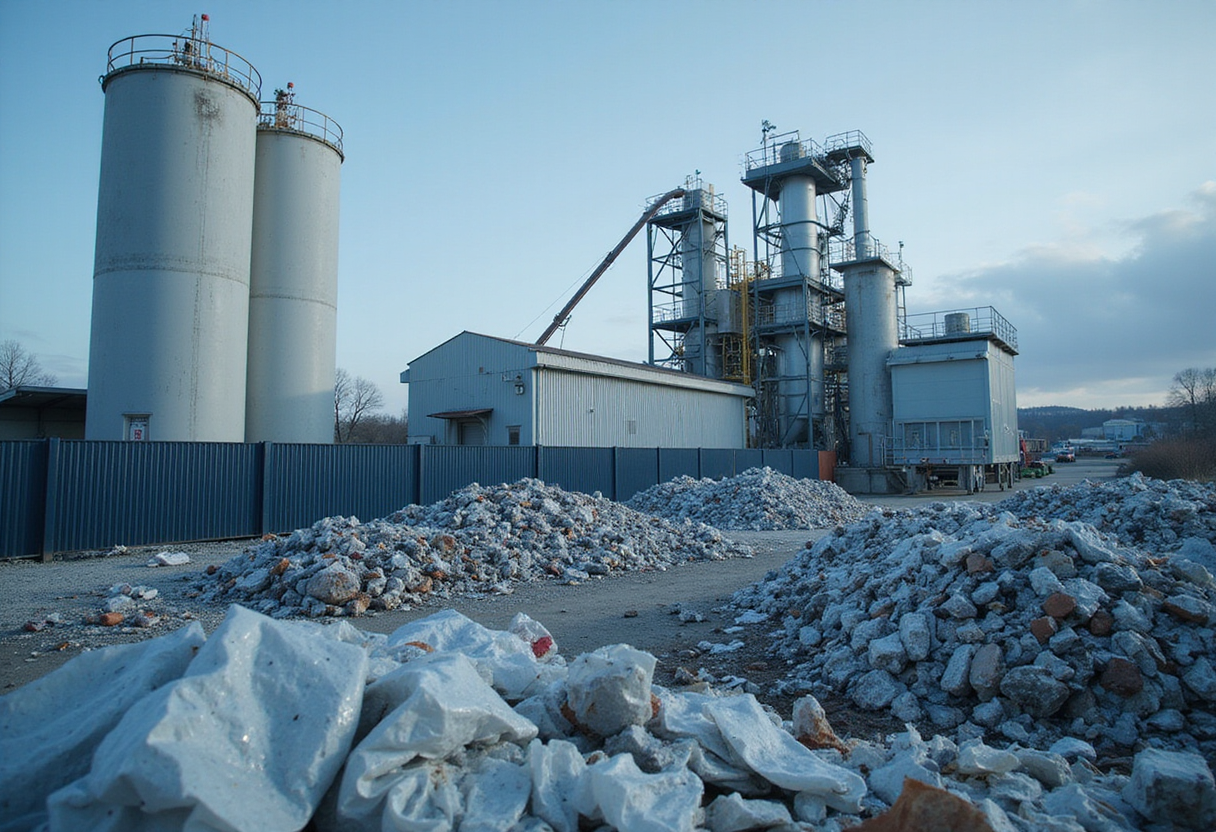
Neste says its chemical recycling plant is ready to scale from demonstration toward commercial liquefaction throughput, feeding polymer-grade inputs into refining assets.
Waypoints
Neste has declared its chemical recycling plant ready to scale up from the demonstration phase.
The plant uses liquefaction technology to convert mixed plastic waste into liquid feedstock for refining into virgin-grade polymer inputs.
Specific tonnage, capacity and investment figures behind the scale-up were not disclosed in the source report.
Neste has signaled that its chemical recycling plant is ready to move from pilot-scale operation toward commercial throughput, according to a report by Recycling Today. The announcement concerns the company's liquefaction-based chemical recycling technology, which converts plastic waste streams into a liquid feedstock that can be cracked and refined into virgin-grade polymer and fuel inputs at existing petrochemical assets.
The Helsinki-based refiner has positioned chemical recycling as a complement to mechanical recycling, targeting mixed and contaminated plastic streams that mechanical processors cannot economically handle. The readiness declaration marks the transition of the unit from the demonstration phase, where process parameters, feedstock tolerance and output quality are validated, to a scaling phase focused on sustained throughput.
Details on the specific tonnage, throughput targets, plant capacity and investment size behind the scale-up were not disclosed in the source material. Neste has previously stated ambitions to process large volumes of liquefied plastic waste at its Porvoo refinery complex in Finland, where chemical recycling capacity is being integrated with conventional refining operations, and the readiness announcement is consistent with that track. Circular Wire will track confirmed capacity figures as the company, its filings or Finnish and EU permitting authorities publish them.
For the recycled-plastics supply chain, the milestone matters for two reasons. First, liquefaction output can qualify as feedstock under the mass-balance accounting frameworks that brand owners and polymer producers use to claim recycled content in food-contact and high-specification applications. Second, each additional commercial-scale chemical recycling plant expands the offtake options available to waste handlers and sorters holding mixed rigid and flexible plastic bales that currently trade at steep discounts to clean single-polymer grades.
The market context is demanding. Chemical recycling projects across Europe have faced repeated delays between announcement and commissioned capacity, with permitting timelines, feedstock contracting and certification under schemes such as ISCC PLUS frequently stretching project schedules. Neste's declaration that the plant is ready to scale separates built, operating capability from the wider queue of announced projects that have not yet reached commissioning.
What happens next depends on disclosed numbers. The decisive milestones will be Neste publishing verified annual throughput for the unit, confirmation of feedstock supply agreements with waste management and sorting operators, and the plant's certification status under mass-balance chain-of-custody schemes. Those filings will determine whether the readiness declaration converts into tonnage moving through the plant, or remains another entry on the sector's long list of capacity promises awaiting delivery.
via Google News: Chemical and plastics recycling (Source)
More from Elena Vasquez
Show full bio
Senior reporter covering media and advertising at Circular Wire.
114 articles