Compliance & Policy
New ESA Interpretation Strips Habitat Protection for Listed Species
The Interior Department redefined 'harm' under the Endangered Species Act, dropping habitat protection. Only 32 of 1,700 listed species have gone extinct since 1973; 20 states are suing.
Waypoints
Only 32 of roughly 1,700 ESA-listed species have gone extinct since 1973.
A 2019 study found habitat loss imperiled 81% of species added to the ESA from 1975 to 2017; direct killing threatened 17%.
20 states and Washington, D.C. have filed lawsuits challenging the ESA weakening.
A proposed MMPA rule drew more than 85,000 public comments, mostly opposed.
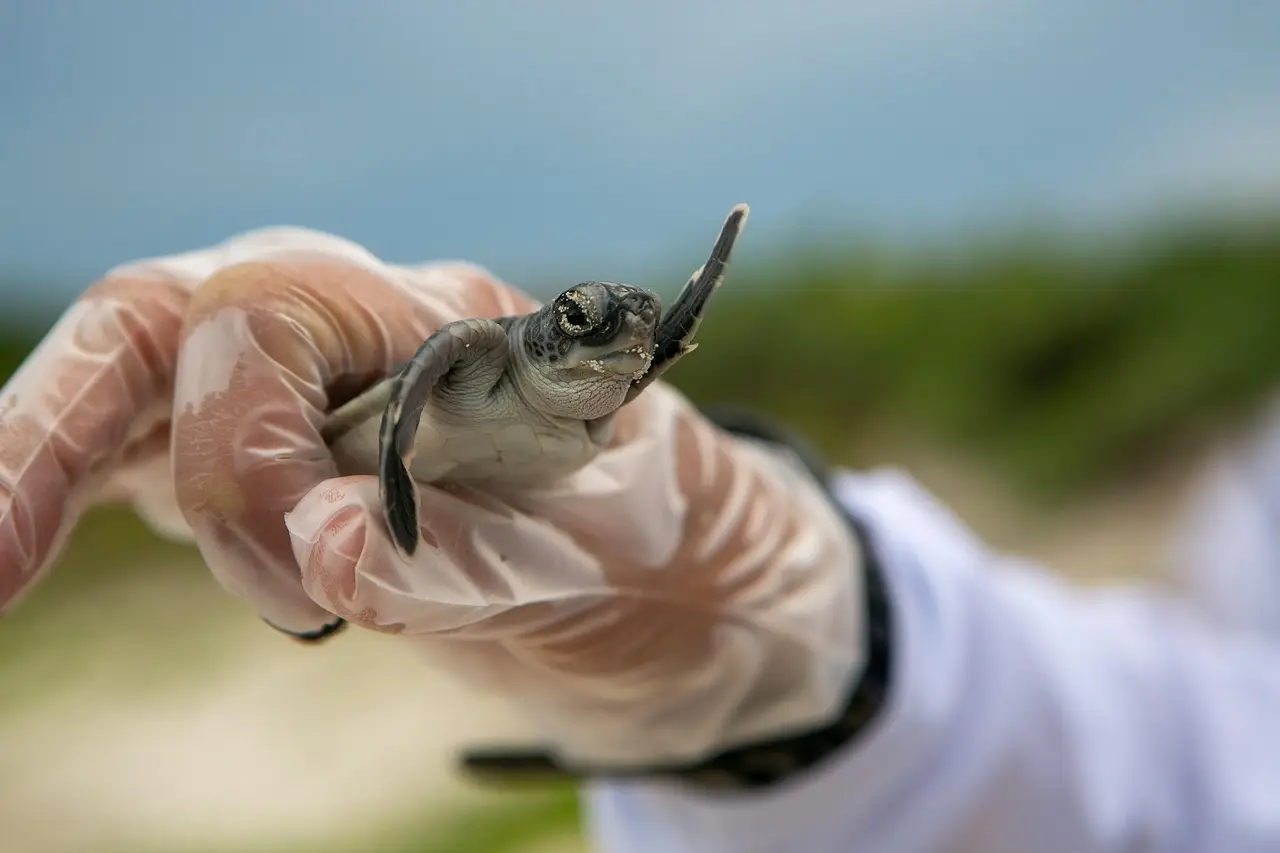
The administration's God Squad voted unanimously to exempt Gulf of Mexico drilling from liability for harming manatees, sea turtles and whales.
The Interior Department's reinterpretation of the word "harm" under the Endangered Species Act now permits the destruction of habitat belonging to listed species, removing the protection that covered roughly 1,700 species listed since 1973.
The rule change, advanced by the Trump administration, rescinds the long-standing regulatory definition of "harm" that included habitat modification. It also narrows the scope of prohibited "take" under the statute: violations now generally apply only to intentional and direct killing, harming, or harvesting of a listed plant or animal. Incidental take — the mechanism that has governed most industrial compliance for five decades — no longer carries liability in most circumstances.
The ESA makes it illegal "to harass, harm, pursue, hunt, shoot, wound, kill, trap, capture, or collect, or to attempt to engage in any such conduct." For fifty years, federal agencies read "harm" to include habitat destruction. The new interpretation abandons that reading.
What does the reinterpretation change in practice?
The law's enforcement record gives the scale of what is at stake. Of the approximately 1,700 species listed since 1973, only 32 have gone extinct, a survival rate widely credited to the habitat protections the statute conferred.
A 2019 study quantified why habitat coverage mattered. Direct killing threatened just 17 percent of the species added to the ESA between 1975 and 2017. Indirect factors — habitat loss and degradation — imperiled 81 percent. Under the new interpretation, liability attaches almost exclusively to the 17 percent category.
The practical examples are stark. Shooting a black-footed ferret remains illegal because it is a deliberate killing. A developer building on black-footed ferret habitat, or a pipeline operation poisoning a prairie dog colony — the ferret's major food source — now falls outside enforcement.
"Let me be clear — it's bad. It is really bad," said Rebecca Riley, managing director for NRDC's Nature program. "What they are trying to do is limit the protections of the law as much as they feasibly can."
Riley pointed to the 2010 Deepwater Horizon disaster as the type of event the new reading would shield. "BP didn't intend to kill all those protected fish, birds, and marine mammals when its Deepwater Horizon rig exploded," she said. "It just happened as a consequence of their irresponsibility."
Which species and regions lose protection?
The Arctic bears directly on the change. The Western Arctic and the Arctic National Wildlife Refuge hold polar bears — listed as threatened under the ESA — along with caribou, Arctic foxes, and migratory birds from all seven continents. Several Alaska caribou herds show declining populations, and endangered herds range just across the Canadian border.
Polar bears require large tracts of wilderness to hunt, mate, and den. "Without habitat, you do not have wildlife up in the Arctic," said Bobby McEnaney, senior land strategist at NRDC. "If you decide that you're going to allow all means of development on those habitats, particularly the denning habitat of polar bears or the grasslands of the Arctic for caribou, you've essentially decided that these species will not be able to thrive in the future."
Extractive industries have lobbied for reduced ESA accountability for a century's worth of access to these northern Alaska lands, and stand to profit from the new reading.
The exposure extends beyond the Arctic. As the administration opens more public lands and waters to fossil fuel development and data center construction, imperiled species nationwide lose enforceable habitat claims. The affected list includes sage grouse across the western prairies, Rice's whales and sea turtles in the Gulf of Mexico, and the rusty-patched bumblebee, whose native grassland habitat across the Midwest and Great Lakes faces plowing and pesticide application with no ESA recourse under the new rule.
"One of the great things about the Endangered Species Act is it gave species a voice," McEnaney said. "A polar bear is not going to file a petition or tell you what it needs. But the ESA acted as a watchtower to say, 'Hey, this is what a species needs to survive.'"
Who is challenging the rule?
Twenty states and Washington, D.C., have filed multiple lawsuits in recent months challenging the ESA rollbacks.
"The Trump administration is trying to undermine the law, the will of Congress, and the will of the people who overwhelmingly support protections for endangered species," Washington State Attorney General Nick Brown said at a press conference. "Instead of stewardship, this administration's approach to our land, to our water, is one of exploitation."
Indigenous Nations have filed parallel suits. The Swinomish and Squaxin Island Tribes of Washington argue their cultural and economic well-being depends on Pacific salmon populations and other resources threatened by the new interpretation. The Fallon Paiute-Shoshone Tribe of Nevada details the danger to the Dixie Valley toad, describing it in their filing as "an important ancestor" that has survived hundreds of thousands of years in a small habitat mixing cold, shallow groundwater with hot geothermal springs.
Public comment records show the breadth of opposition. A separate rule proposed earlier this month, which would allow oil and gas companies to unintentionally harm or kill polar bears and Pacific walruses under the Marine Mammal Protection Act, drew more than 85,000 comments — the overwhelming majority opposed. The Interior Department discounted tens of thousands of those comments.
"What the administration is doing is broadly unpopular," McEnaney said. "In general, I think the public really cares about what makes America unique, and one of the things that does that is the incredible natural biodiversity that we have, from manatees in Florida to polar bears in Alaska."
A related development compounds the pressure. The administration's "God Squad" — the ESA exemption committee — unanimously voted to sacrifice endangered marine species including manatees, sea turtles, and whales to enable expanded oil and gas drilling in the Gulf of Mexico. NRDC has sued over that exemption.
What happens next?
The state and tribal lawsuits now move through the courts, and they will decide whether the narrowed definition of "harm" stands. McEnaney expressed confidence in the legal record: "We've seen people take action, and when they stand up for the things that matter to them, we've also sometimes seen the administration back down."
He added that despite the discounted comments on the MMPA rule, "I don't think that's going to be the last chapter of this conversation."
The court rulings on the state and tribal challenges — and the final disposition of the MMPA incidental take rule — are the milestones that will determine whether habitat protection returns to the ESA's enforcement arsenal or stays removed.
via nrdc.org (Source)
More from Rebecca Stone
Show full bio
News editor covering companies, deals and strategy in Circular economy and the environmental industry at Circular Wire.
545 articles