Recycling Industry
Nigeria moves to license scrap metal traders, pledging no hit to legitimate operators
Nigeria's Steel Development Ministry says proposed scrap metal licensing will not hit legitimate traders, as stolen cables and rail components keep flowing into the scrap market.
Waypoints
Lagos consultations held November 9-10, 2026 covered licensing, traceability and facility standards
Kano meeting is the second consultation phase, focused on northern Nigerian operators
Proposed rules tier obligations by operator size, with lighter requirements for small collectors
NSCDC Commandant-General backs enforcement cooperation on infrastructure theft
Nigeria's Federal Government has pledged that its proposed scrap metal regulations will not suppress the livelihoods of legitimate collectors, traders and recyclers, even as it moves to license operators and track every tonne moving through the value chain.
Minister of Steel Development Shuaibu Audu gave the assurance on Tuesday in Kano, at the second phase of stakeholder consultations on the proposed scrap metal regulations. He was represented by Umar Tsoho, Director of the Steel and Non-ferrous Metals Department.
"The Federal Government's intention is not to suppress legitimate commercial activities or undermine the livelihoods of Nigerians engaged in scrap metal collection and trading, but to create an orderly business environment where lawful operators can thrive while criminal activities are effectively addressed," Audu said, according to a statement from Tine-Iulun M.A., Head of the ministry's Press and Public Relations Department.
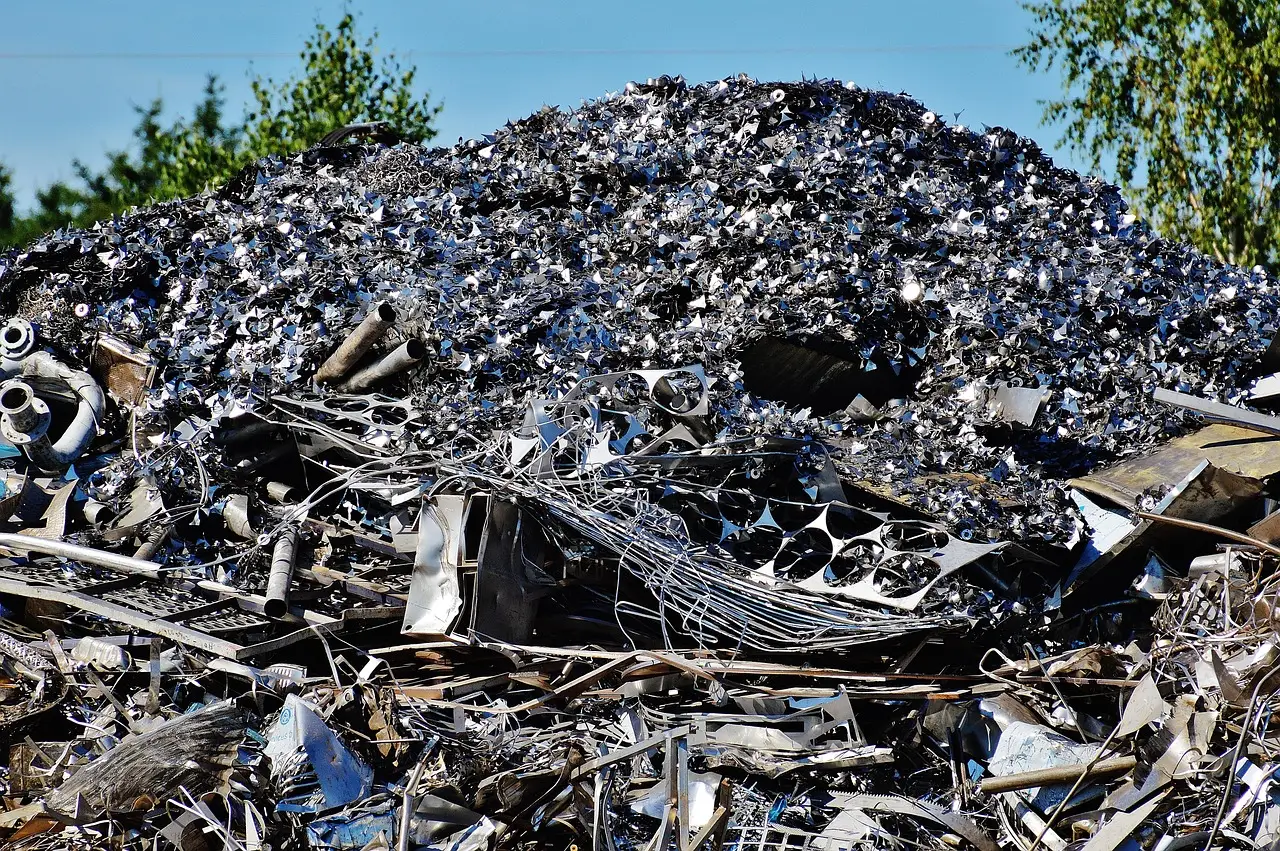
The regulatory push targets a specific leak: stolen metallic components from electricity installations, railway facilities, pipelines and manhole cover theft routinely find their way into the scrap metal market. The proposed rules would introduce licensing and supervision of operators, improve transaction tracking, and set standards for collection centres, aggregation facilities and recycling plants.
What do the rules actually change?
Three structural pillars are on the table: licensing, traceability and facility standards. Audu told stakeholders that an organised scrap metal value chain is a precondition for Nigeria's ambition to build a competitive steel industry, because it secures reliable raw material supplies for legitimate industrial users.
Materials, he said, must be lawfully sourced, safely handled, properly documented and supplied through transparent channels. In his framing, scrap metal is an important resource for the steel, foundry and manufacturing sectors, and effective recovery and recycling could create jobs and support a circular economy.
The warning ran alongside the pitch. An inadequately regulated industry, Audu said, encourages infrastructure vandalism, unsafe dismantling, environmental degradation and significant economic losses. "The theft of electrical cables, railway components, manhole covers and other metallic installations goes beyond the loss of materials," he said, pointing to disrupted essential services, threatened public safety and rising maintenance costs.
How will small collectors be treated?
The framework is being designed as tiered, not uniform. Small-scale operators will be accommodated through practical formalisation arrangements, with requirements proportionate to the size and risk of their businesses. Audu said small collectors should not face unnecessarily burdensome requirements, while large-scale aggregation, processing and recycling facilities will be expected to meet appropriate regulatory and operational standards.
That proportionality question matters for a sector where informal collectors make up much of the feedstock chain feeding Nigeria's foundries and steel mills.
What happens next?
The Kano meeting followed the first consultation phase in Lagos, held between November 9 and 10, 2026, where stakeholders examined provisions covering licensing, operator classification, traceability, collection and sorting facilities, environmental compliance, occupational safety, security and enforcement. The Kano session was designed to broaden regional input, drawing on the operational experience of industry stakeholders in northern Nigeria.
Audu urged participants to submit practical recommendations and assured them that submissions from both meetings will be documented, reviewed and harmonised in line with the applicable legal framework.
Supporting voices lined up behind the framework. Permanent Secretary Amb. Nura Abba Rimi, represented by Christopher Wanje, Director of the Metallurgical Inspectorate and Environmental Protection Department, said the regulations will address weaknesses in the scrap value chain through licensing, compliance requirements, improved traceability, environmental safeguards and stronger monitoring and enforcement. He called for further submissions on licensing arrangements, operator classification, security, environmental protection and inter-agency collaboration.
The National Steel Council backed the initiative too. Acting Executive Secretary Aminu Shehu, represented by Head of Planning, Research and Statistics Nana Firdausi Muhammad, said effective regulation could promote transparency, create employment and contribute to national economic growth.
Enforcement muscle is also on board. Kano State Commandant of the Nigeria Security and Civil Defence Corps, Mohammed Hassan Agalama, speaking for Commandant-General Prof. Ahmed Abubakar Audi, said proper management of the scrap trade is necessary to curb theft and vandalism of critical national assets, including electricity installations, pipelines, railway facilities and government properties. He reaffirmed the corps' readiness to work with the Ministry of Steel Development on enforcement.
The milestone to watch: the ministry's harmonised draft regulation, which will show whether the proportionality pledge to small collectors survives into the final legal text.
via punchng.com (Source)
More from Daniel Okafor
Show full bio
Correspondent covering companies, deals and strategy in Circular economy and the environmental industry at Circular Wire.
578 articles