Cleantech & Investment
Octopus Targets $600 Million for Asia Clean Energy Fund
Octopus Energy Generation launched the $600 million Octopus Asia Electrification Fund at COP31, with $50 million secured and a first deal in Philippine solar developer Octali Energy.
Waypoints
Octopus launched the $600 million-target OAEF at COP31 in Antalya, with $50 million already secured from Japanese investors
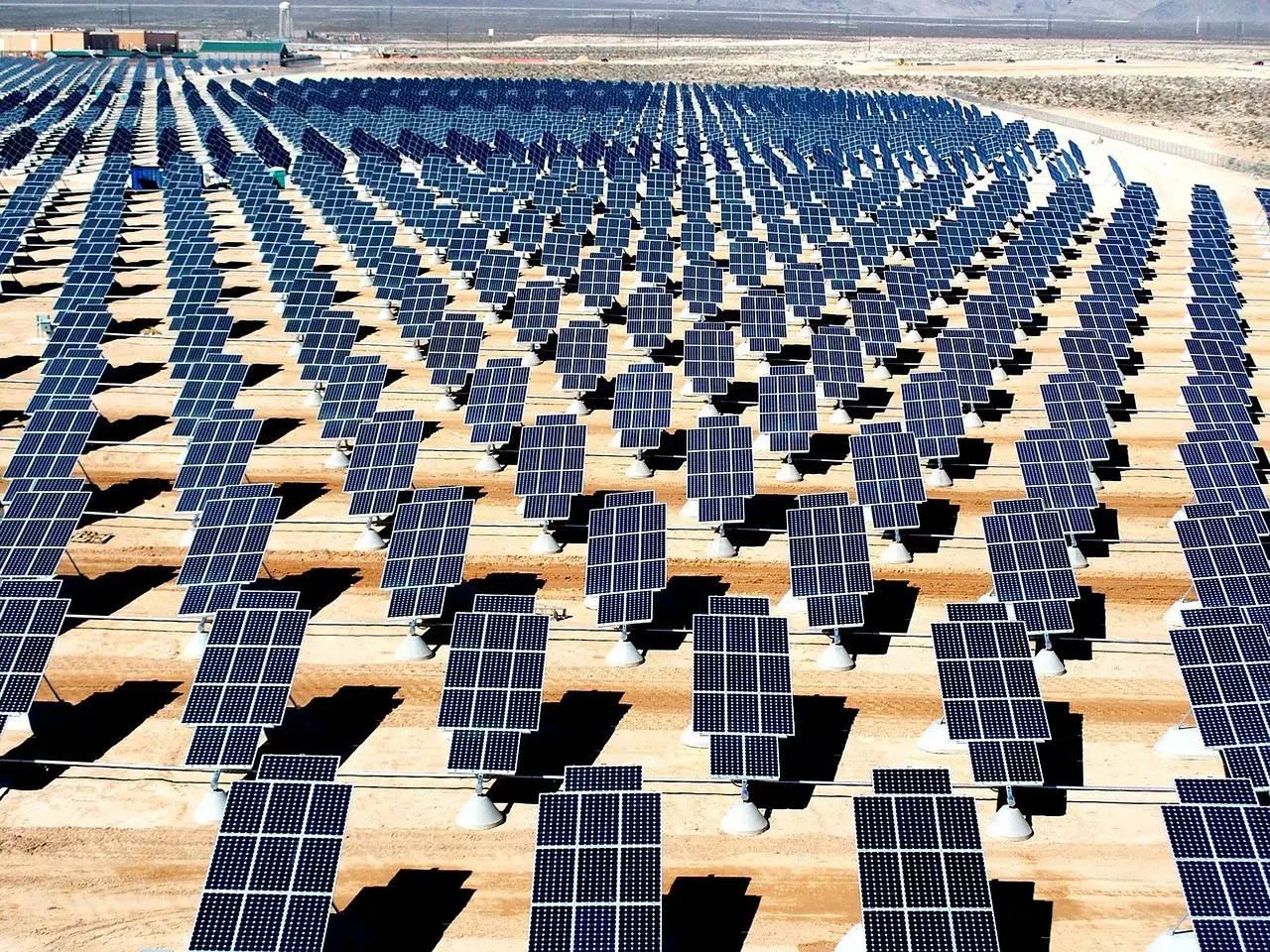
First investment: Manila-based Octali Energy Development, targeting 450 MW solar and 350 MWh battery storage
Octali projects expected to power more than 300,000 homes annually by 2030
Coal supplies more than 60% of Philippine electricity; 98% of its oil imports come from the Middle East
Octopus already manages 2 GW of clean energy projects under development in Asia
Octopus Energy Generation has launched a $600 million fund for Asian clean energy developers, and the vehicle has already committed its first capital to a Manila-based solar and storage builder. The UK company announced the Octopus Asia Electrification Fund (OAEF) at COP31 in Antalya, Turkey. The fund aims to catalyze $600 million from institutional investors and has secured $50 million in backing from Japanese investors so far.
What does the first investment deliver?
OAEF's opening transaction is in Octali Energy Development, a solar and storage developer headquartered in Manila. The deal marks Octopus's first move into the Philippines, a market where coal still accounts for more than 60% of electricity generation. The country's energy security position adds context: 98% of its oil imports originate from the Middle East, leaving the power sector exposed to imported fuel.
Octopus will work with Octali to develop a targeted 450 MW of solar capacity and 350 MWh of battery storage. The projects are expected to generate enough electricity to power more than 300,000 homes annually by 2030. That deadline turns the pledge into a trackable commitment rather than a general ambition, and the 2030 date gives analysts a fixed point against which to measure delivered versus announced capacity.
Which markets and technologies qualify?
Beyond the Philippines, OAEF will target investments across seven further Asian markets: Japan, South Korea, Singapore, Indonesia, Thailand, Malaysia and Vietnam. The fund's core mandate covers solar, onshore wind and energy storage. Octopus said it will also explore opportunities in microgrids, electric vehicle charging and other energy transition technologies, leaving the door open to adjacent infrastructure plays.
The fund carries an Article 9 classification under the EU's Sustainable Finance Disclosure Regulation (SFDR), the strictest category for sustainability-labeled products. For institutional investors, that classification sets disclosure and investment-scope expectations that Octopus will need to maintain as capital deploys.
How does the fund fit Octopus's regional position?
The launch forms part of Octopus Energy Generation's wider Asia strategy. The company already manages 2 GW of clean energy projects under development in the region, giving OAEF a pipeline base that separates it from funds starting without an established development platform. That existing portfolio also means the fund can draw on operating experience across the markets it now targets.
Zoisa North-Bond, CEO of Octopus Energy Generation, framed the vehicle as a way to convert that regional track record into developer financing. "We're now combining our experience in renewable energy across the region with capital to help ambitious local developers scale, bring more clean power to consumers, and help build Asia's clean energy future," she said.
What does this change for Asian developers?
The practical question for local green energy developers across the eight target markets is access to scaled capital. OAEF offers a route: a single fund with $50 million already committed and a $600 million target, focused on developers rather than one-off project acquisitions. For developers in markets such as the Philippines, where coal dominates the generation mix, the fund channels institutional money toward solar, wind and storage build-out.
The metric that decides what happens next is the gap between the $50 million secured and the $600 million target. Watch the institutional closings through 2026, the pace of the Octali rollout toward its 450 MW solar and 350 MWh storage targets, and whether OAEF names its second investment and market beyond the Philippines.
via ESG Today (Source)
More from Grace Kim
Show full bio
Market editor covering money, funding and market shifts around Circular economy and the environmental industry at Circular Wire.
574 articles