Industrial Decarbonization
Öresundskraft takes waste-to-energy CCS project to FID
Öresundskraft has cleared FID for INNOZHERO, backed by a €54.1 million EU grant and €22.8 million from Sweden, targeting 200,000 tons of CO2 capture a year at Helsingborg’s waste plant.
Waypoints
Öresundskraft approved FID for INNOZHERO on September 30, 2026, becoming the first EU waste-incineration CCS project to reach the milestone.
INNOZHERO targets approximately 200,000 tons of annual CO2 abatement at Filbornaverket in Helsingborg.
Public backing includes a €54.1 million EU Innovation Fund grant and approximately €22.8 million from the Swedish Energy Agency.
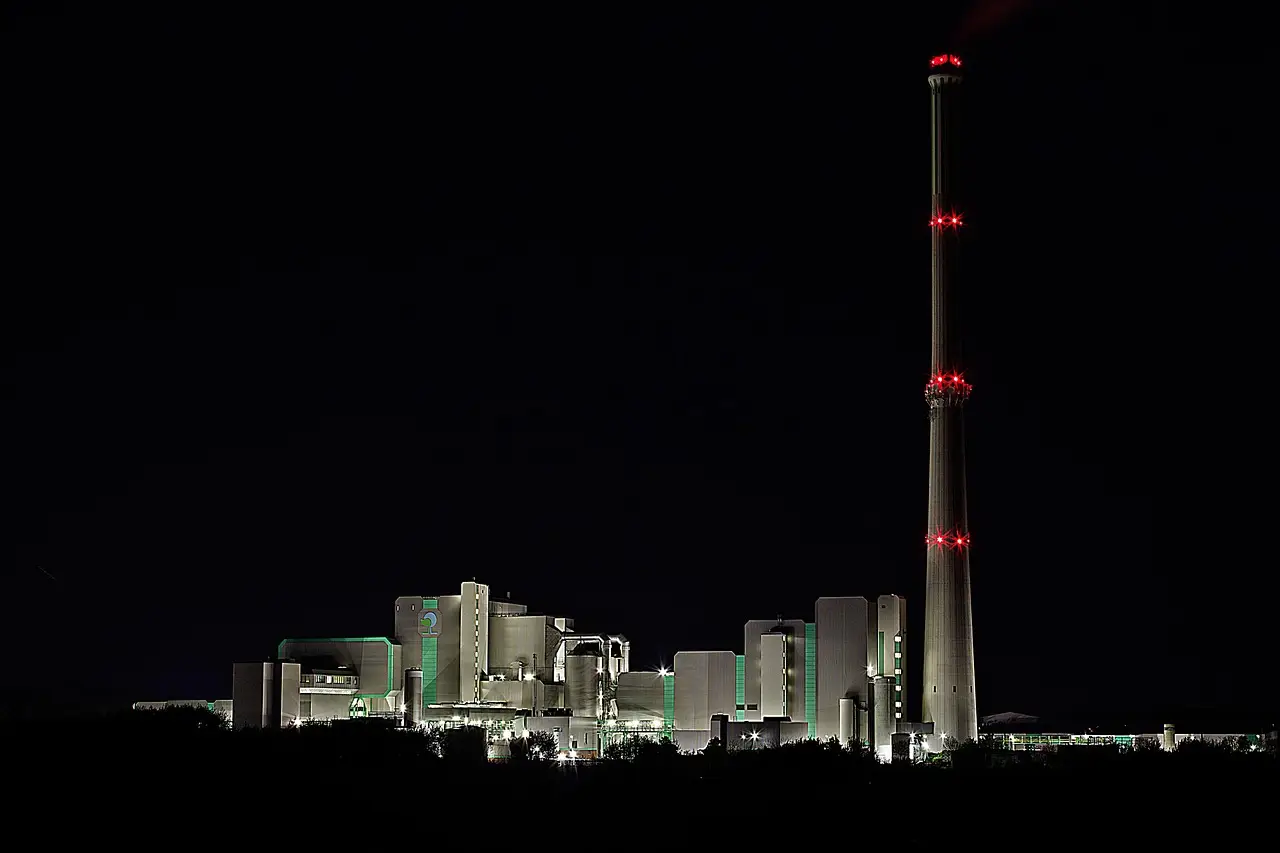
Filbornaverket processes roughly 220,000 tons of non-recyclable municipal and industrial waste annually.
Construction is slated to start toward the end of 2026, with nearly 1.9 million tons of emissions impact projected over the first decade.
A €54.1 million EU Innovation Fund grant anchors Öresundskraft’s INNOZHERO project, a carbon capture unit designed to abate about 200,000 tons of CO2 annually from waste burned at the existing Filbornaverket plant in Helsingborg, Sweden.
Municipal utility Öresundskraft’s board approved the Final Investment Decision on September 30, 2026, moving INNOZHERO toward construction. The European Climate, Infrastructure and Environment Executive Agency formally highlighted the decision, making the project the first waste-incineration CCS installation in the European Union to reach FID.
Öresundskraft describes INNOZHERO as one of Europe’s first commercial-scale waste-to-energy carbon capture and storage developments. The distinction between operating and planned assets matters: Filbornaverket already processes waste and produces heat and power, while INNOZHERO’s capture unit remains preconstruction.
What is being built at Filbornaverket?
INNOZHERO will integrate a large-scale post-combustion carbon capture and liquefaction unit into the existing Filbornaverket combined heat and power plant. Construction is slated to start toward the end of 2026.
Filbornaverket currently processes roughly 220,000 tons of non-recyclable municipal and industrial waste each year. It supplies district heating and electricity to the Helsingborg region, providing the operating waste-to-energy asset around which the new capture system is being designed.
The capture unit is engineered to abate approximately 200,000 tons of CO2 annually from two parts of that waste stream:
- Fossil-derived CO2 from emissions associated with plastics.
- Biogenic CO2 from organic material, including paper and food waste.
Through cross-border transport and permanent geological sequestration arrangements, the project links captured biogenic CO2 to durable storage. Öresundskraft says the system will “generate durable negative emissions alongside climate-neutral district heating,” while establishing cross-border CO2 logistics capacity across the Nordic region.
Over its initial 10-year operating window, INNOZHERO is projected to prevent nearly 1.9 million tons of greenhouse gas emissions from entering the atmosphere. That total works out to roughly 190,000 tons a year on average, close to the capture unit’s stated approximately 200,000-ton annual rate.
For waste-to-energy operators, the project’s practical test will be integrating carbon capture with established heat and power operations. For Nordic transport and storage operators, it creates a potential CO2 route connecting waste processing in Helsingborg with cross-border sequestration, although the announcement does not identify carriers, ports or storage sites.
How is INNOZHERO financed?
The board’s decision follows the financial close and assembly of a public-private funding structure, with two public support programs providing the disclosed backing:
- €54.1 million from the EU Innovation Fund through its IF23 net-zero technologies call.
- Approximately €22.8 million from the Swedish Energy Agency, provided through two support tranches.
The announcement does not specify the amount of private capital in the funding structure or the total project cost. That leaves the public awards as the only quantified financing in the release, while the FID establishes that Öresundskraft’s board considers the remaining package sufficient to proceed.
What does the first EU FID mean?
INNOZHERO’s status gives waste-to-energy CCS its first EU investment-gate approval at an incineration plant. It brings a commercial-scale capture proposal built around an existing municipal and industrial waste CHP facility, rather than a dedicated fossil-fuel installation, into construction preparation.
The distinction between approved and built capacity is crucial. The approximately 200,000-ton annual figure is the capture unit’s design target, not current operating performance. No carbon capture, liquefaction or geological injection is yet taking place under INNOZHERO.
For other waste-to-energy operators, the project supplies a financing and integration reference at the point where public support, board approval and an existing waste-processing asset meet. For the Nordic market, the planned transport arrangements could support wider CO2 logistics, but the announcement does not establish whether those routes will carry volumes beyond INNOZHERO.
What has to happen next?
The immediate milestone is physical construction, slated to begin toward the end of 2026. Öresundskraft has not disclosed a commissioning date, a first-storage date, named storage counterparties or an additional permit deadline.
Whether construction actually begins by that timetable is the next market test. It will determine whether the EU’s first waste-incineration CCS project to clear FID can convert an operating waste plant, €54.1 million in EU support and Swedish backing into working capacity for capture, cross-border transport and permanent sequestration.
via oresundskraft.se (Original)
More from Elena Vasquez
Show full bio
Senior reporter covering technology and product news in Circular economy and the environmental industry at Circular Wire.
532 articles