Waste Management Business
Pat Munro (Alness) fined £32,100 over 20,000-tonne quarry infill
SEPA fines Pat Munro (Alness) Limited £32,100.81 after estimating 20,000 tonnes of controlled waste was dumped at Caplich Quarry, Alness, between April 2018 and February 2024 without a licence.
Waypoints
Pat Munro (Alness) Limited fined £32,100.81 by SEPA under a Variable Monetary Penalty
SEPA estimated 20,000 tonnes of controlled waste deposited above the former waterline at Caplich Quarry, Alness
Unauthorised disposal took place between April 2018 and February 2024
Trial-pit excavation confirmed waste to depths of 3 metres
Waste stream included soil, stone, plastic, timber, metal, glass and road plannings
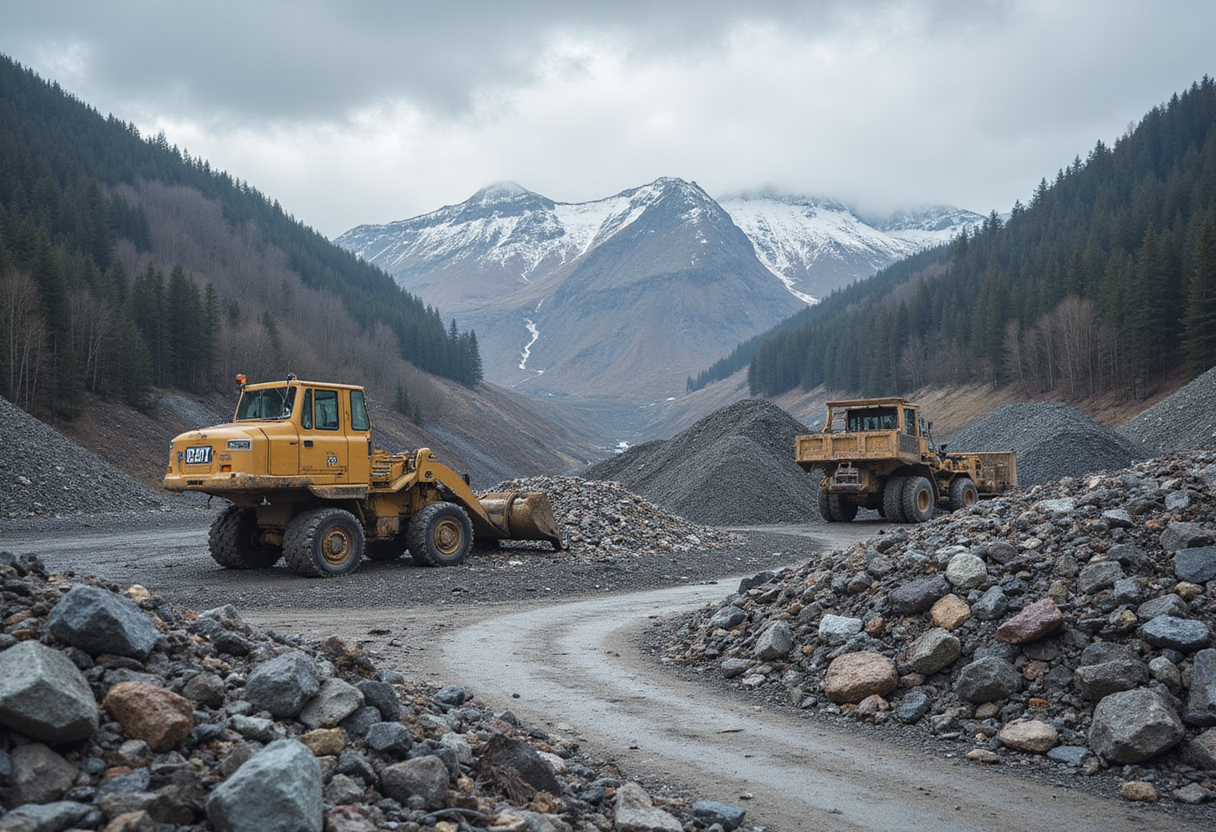
SEPA has fined Pat Munro (Alness) Limited £32,100.81 after quantifying an estimated 20,000 tonnes of controlled waste the company deposited above the waterline of a former quarry pond at Caplich Quarry, Alness, between April 2018 and February 2024 without a waste management licence.
The Variable Monetary Penalty, disclosed by the Scottish Environment Protection Agency, closes an investigation that ran for nearly as long as the alleged offending activity. SEPA combined satellite imagery, LiDAR scanning and trial-pit excavation to reconstruct the scale of the infilling.
What does the penalty cover?
The notice covers disposal of what SEPA classes as controlled waste — a category that covers construction, demolition, industrial and commercial outputs the Scottish regime treats as requiring a licence to handle. Trial pits uncovered soil and stone, plastic sheeting, offcut timber, scrap metal, broken glass and road plannings laid down to depths of three metres.
The activity took place at Caplich without the waste management licence Scottish operators must hold before accepting controlled waste at a site. SEPA said the infilling changed both the volume of open water visible on the ground and the topography visible from above.
How did SEPA quantify the breach?
Investigators pulled satellite imagery covering the period of the alleged offending. Frames from April 2018 show most of the former quarry basin filled with water; frames from later in the investigation window show that area progressively filled until very little water remained. LiDAR data allowed SEPA to model the volume of new material above the previous water level and arrive at the 20,000-tonne estimate.
Calum McGregor, Unit Manager of SEPA's Environmental Crime Team, said: "Controlled waste was used to progressively fill a former pond at this site over almost six years without the environmental authorisation required."
"Our investigation established both the scale of the activity and what had been disposed of at the site," McGregor added. "This penalty reflects the seriousness of failing to comply with waste regulations and sends a clear message that SEPA will take action where those requirements are not complied with."
What is a Variable Monetary Penalty?
VMPs are discretionary civil sanctions SEPA may impose on relevant environmental offences after an "appropriate investigation" of the type the agency carried out at Caplich, without recourse to a criminal prosecution. Operators issued with a VMP retain a statutory right of appeal. The £32,100.81 total sits well below the upper bands SEPA can apply to landfill-style offences, though the agency has not disclosed the calculation behind the specific sum.
What does the case signal for Highland operators?
Pat Munro (Alness) Limited did not provide a statement before publication. SEPA has not indicated whether the VMP will be followed by a remediation notice requiring partial or full removal of the deposited material.
Quarry infilling of dormant borrow pits has historically drawn SEPA civil and criminal enforcement in the Highlands. Operators across the regional aggregate sector will track whether Caplich sets the tone for similar notices to come.
What happens next?
The immediate milestone is any appeal by the operator within the statutory window set under SEPA's VMP process. Beyond that, the question is whether SEPA pairs the financial penalty with a remediation direction requiring restoration of the former pond profile to its pre-2018 state.
For trade readers, the practical question is whether the 20,000 tonnes counted by SEPA's LiDAR survey translate into an obligation to physically remove the deposited material, or whether the VMP closes the file on a financial-only basis. The agency's answer will set the precedent for how it handles comparable Highland quarry infilling from this point on.
via i0.wp.com (Original)
More from Elena Vasquez
Show full bio
Senior reporter covering media and advertising at Circular Wire.
272 articles