Compliance & Policy
Philippines Bill Would Jail Illegal E-Waste Handlers for Up to Six Years
HB 11462 proposes fines up to P2 million and 2–6 year prison terms for illegal e-waste handling, with DENR as lead regulator and mandatory EPR for producers.
Waypoints
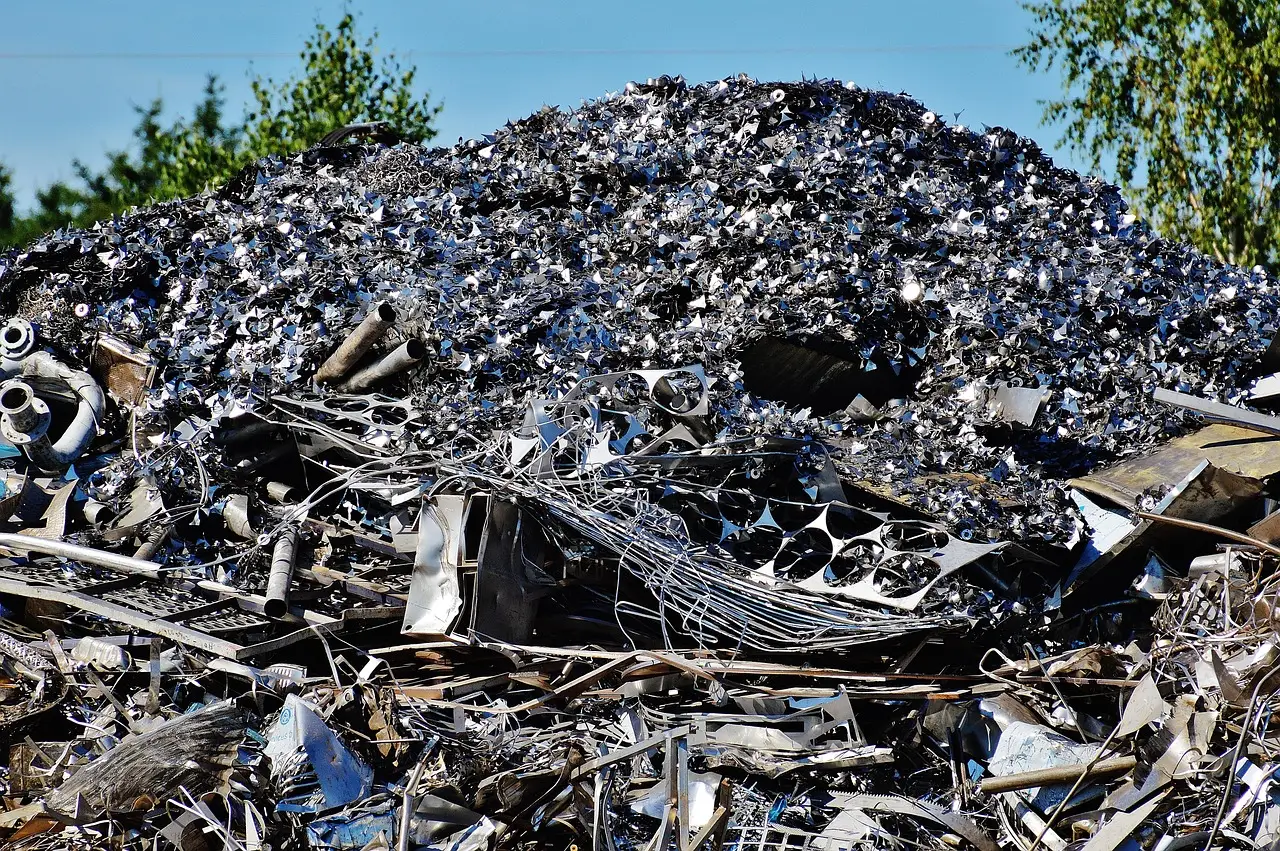
Philippines generated about 537,000 tonnes of e-waste in 2022 — over 13,000 40-ton truckloads.
HB 11462 proposes fines from P10,000 to P2 million and imprisonment of two to six years.
DENR would lead regulation of segregation, collection, transport, recycling and disposal.
The bill mandates Extended Producer Responsibility for manufacturers, brand owners and importers.
UN Global E-Waste Monitor 2024 ranks the Philippines among Southeast Asia's top e-waste producers.
A Philippine House bill filed as HB 11462 would impose fines of up to P2 million and prison terms of two to six years on illegal e-waste operators, as the country grapples with roughly 537,000 tonnes of discarded electronics generated in 2022 alone.
Parañaque City Rep. Brian Yamsuan filed the proposed National E-Waste Management Act and urged Congress to fast-track its approval, arguing that existing solid waste and hazardous waste laws barely address the mounting e-waste burden. Independent studies put the 2022 figure at more than 13,000 fully loaded 40-ton trucks, and the United Nations' Global E-Waste Monitor 2024 ranks the Philippines among Southeast Asia's top e-waste producers.
That tonnage is the material stream the bill tries to capture — a stream existing law mostly misses.
What does the bill actually regulate?
The measure covers discarded computers, mobile phones, appliances, spare parts and fast-tech gadgets: cheap cables, USB adapters, single-use vapes, mini-fans, power banks and electronic novelty items. Improper disposal of that stream pollutes air, soil and water with lead, mercury, cadmium and other hazardous substances.
Under HB 11462, the Department of Environment and Natural Resources (DENR) becomes the lead agency regulating segregation, collection, transport, storage, reuse, recycling and disposal of e-waste — a single enforcement chain where currently fragmented rules apply.
The takeaway: one agency would own the whole e-waste pipeline, from kerbside segregation to final disposal.
How would Extended Producer Responsibility work?
The bill institutionalizes EPR by requiring manufacturers, brand owners and importers to establish or join systems for recovering, recycling or safely disposing of the electronic products they bring to the Philippine market. Yamsuan frames the government as unable to solve the problem alone, which shifts recovery costs upstream to producers.
The measure also targets the informal sector. It provides training for junk shop operators and informal recyclers, mandates safety equipment and accreditation, and integrates those workers into formal collection and recycling supply chains — a structure designed to build a domestic resource-recovery industry and create jobs rather than criminalize the existing workforce.
Registered firms and accredited e-waste Treatment, Storage and Disposal (TSD) facilities would qualify for fiscal incentives under the Corporate Recovery and Tax Incentives for Enterprises (CREATE) Act.
In short: producers pay for recovery, informal collectors get formalized, and compliant processors get tax breaks.
What are the penalties and local duties?
The bill prohibits indiscriminate disposal, open burning of e-waste, non-compliance with EPR obligations, operation of unaccredited TSD facilities, and illegal dismantling. Penalties scale with severity:
- Fines from P10,000 up to P2 million
- Community service
- Suspension of business permits
- Imprisonment of two to six years
Local government units would have to fold e-waste collection into their local solid waste management plans, establish designated e-waste materials recovery facilities or collection points, and run public information campaigns on proper disposal.
That combination — producer obligations, LGU infrastructure mandates and criminal penalties — is what gives the bill teeth.
What has the sponsor said?
Yamsuan, whose district covers Parañaque City, cast the bill as prevention rather than cleanup. "Huwag na nating hintayin na maging ga-bundok pa ang problemang ito," he said — don't wait for the problem to grow mountain-sized — noting the rapid pace of device replacement. "In this digital world, we need a comprehensive system that would strictly regulate how we collect, reuse, and dispose of e-waste before this problem turns into a crisis."
He also positioned the measure as economic policy, not just enforcement: "This proposed measure is therefore a whole-of-nation approach to this growing problem. It aims to turn e-waste from being an emerging environmental and health liability into an opportunity for responsible innovation and a more circular economy."
What decides what happens next?
The bill is at the filing stage in the House; nothing is built or mandated yet. What happens next depends on committee action in Congress — whether HB 11462 moves to plenary, gets amended, and reaches the Senate before the Philippines' 537,000-tonne annual stream grows further. The milestone to track is a committee report and second-reading vote; until then, the country's e-waste remains governed by laws its own sponsors say don't cover it.
via Google News: Battery recycling and e-waste (Source)
More from Daniel Okafor
Show full bio
Correspondent covering companies, deals and strategy in Circular economy and the environmental industry at Circular Wire.
460 articles